
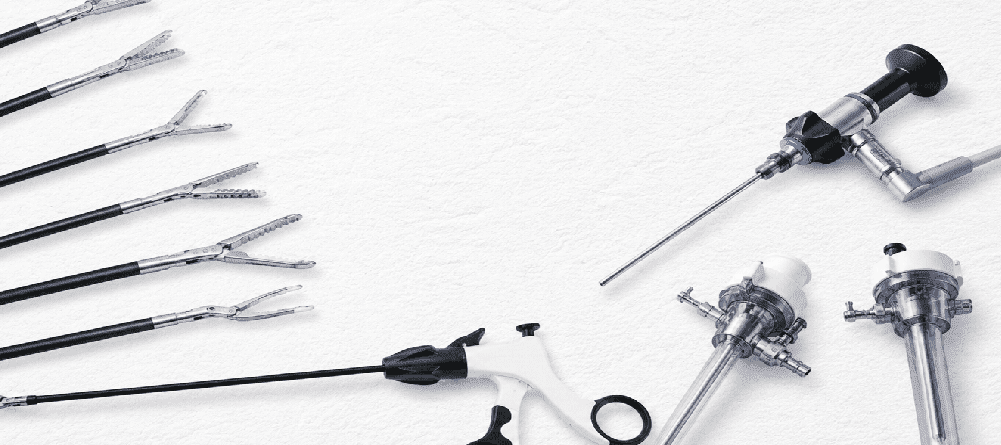
When a hospital or distributor sources laparoscopic surgical instruments, one of the most consequential decisions isn’t the brand — it’s whether the supplier is an actual laparoscopic instruments manufacturer or simply a trader reselling stock bought from elsewhere. For procurement teams working with fixed budgets, compliance requirements, and long-term maintenance contracts, this distinction affects pricing, quality control, customization, and accountability in ways that aren’t always obvious at the quotation stage.
This guide breaks down the practical differences between buying from a laparoscopy instruments manufacturer versus a trading company, and what procurement officers should verify before signing a purchase order.
Table of Contents
- What’s the Real Difference Between a Manufacturer and a Trader?
- Pricing: Why Manufacturer-Direct Costs Less
- Quality Control and Traceability
- Customization and OEM/Private Labeling
- After-Sales Support and Repairs
- Compliance, Certification, and Documentation
- Red Flags That Signal You’re Dealing with a Trader
- Procurement Checklist Before You Buy
- FAQs
What’s the Real Difference Between a Manufacturer and a Trader?
A laparoscopic instruments manufacturer owns or directly controls the production process — forging, machining, grinding, insulation coating, assembly, and quality inspection happen under one roof or one accountable entity. A trader, by contrast, purchases finished instruments from one or more manufacturing units (sometimes several different ones for the same order) and resells them, often under their own label.
On paper, both may look identical in a catalog or price list. The difference shows up later — in consistency between batches, responsiveness when something goes wrong, and the ability to make changes to a design or specification.
Pricing: Why Manufacturer-Direct Costs Less
Every layer between the factory floor and the hospital adds a markup. A trader’s margin sits on top of the manufacturer’s price, and that cost is passed to the buyer — usually without any added value in exchange. For procurement teams buying in volume, this markup compounds quickly across a full laparoscopic set: graspers, scissors, trocars, dissectors, and accessories.
Buying directly from a laparoscopic instruments manufacturer in India generally removes this intermediary margin, which is one reason international buyers increasingly source from Indian manufacturers rather than regional distributors.
Quality Control and Traceability
When instruments come from a single accountable manufacturer, every batch can be traced back to the same raw material lot, the same heat-treatment process, and the same inspection records. This matters for:
- Consistent tip alignment and insulation integrity across bipolar instruments
- Uniform hardness and corrosion resistance of surgical-grade stainless steel
- Faster root-cause investigation if a defect surfaces post-delivery
Traders sourcing from multiple small workshops often can’t guarantee this consistency, since instruments in the same shipment may come from different production lines with different quality controls.
Customization and OEM/Private Labeling
Hospitals and distributors frequently need instruments modified — a different handle length, a specific jaw configuration, or private-label branding for resale. A manufacturer with in-house tooling can accommodate this. A trader typically cannot, since they don’t control the production line and would need to negotiate changes with a third party, adding cost and delay.
After-Sales Support and Repairs
Reusable laparoscopic instruments need periodic repair, re-insulation, or replacement of worn components. A manufacturer can service or rework an instrument because they built it and hold the specifications. A trader usually has no repair capability and will simply replace the unit — at your cost — or refer you elsewhere.
Also read: https://pulselith.in/why-reusability-is-becoming-important-again-in-laparoscopic-surgery/
Compliance, Certification, and Documentation
Procurement teams handling regulatory paperwork should confirm whether certifications are issued to the actual manufacturing entity or only to a trading company reselling under license. Look for:
- ISO 13485 certification held by the manufacturing facility itself
- CE marking with a valid Notified Body number for the device class
- Device Master Files and technical documentation the manufacturer can produce directly, without delay
A manufacturer can provide this documentation quickly because it’s their own; a trader often has to request it from an upstream supplier, which slows down tenders and hospital compliance audits.
Red Flags That Signal You’re Dealing with a Trader
- Vague or evasive answers about “our factory” or manufacturing location
- Inability to provide a facility address, production photos, or a factory audit
- Product photos that appear across multiple unrelated seller listings online
- No willingness to customize specifications or private-label
- Certifications listed under a different company name than the seller
Procurement Checklist Before You Buy
- Ask directly: “Are you the manufacturer, or are you reselling from another factory?”
- Request the ISO 13485/CE certificate and confirm the certified entity matches the seller
- Ask for factory images, production capacity, and lead times for custom specifications
- Clarify warranty and repair terms in writing
- Compare per-unit pricing against known manufacturer-direct benchmarks to spot excessive trader markups
FAQs
Is it always cheaper to buy from a manufacturer than a trader?
In most cases, yes — because manufacturer-direct pricing removes the reseller margin. Exceptions exist when a trader is clearing excess stock at a discount, but this often comes without warranty or consistent quality assurance.
Can a trading company still be ISO/CE certified?
A trading company can hold a distribution or quality-management certificate, but the certification that matters for device safety is issued to the manufacturing facility. Always verify which entity the certificate actually names.
How can I verify a supplier is a genuine laparoscopic instruments manufacturer in India?
Request factory documentation, ask for a virtual or in-person facility tour, and cross-check the ISO 13485/CE certificate holder against the company you’re purchasing from.
Pulselith manufactures its full range of laparoscopic instruments in-house under ISO 13485 and CE certification, with direct factory pricing and OEM customization available for hospitals and distributors. Browse the complete range of laparoscopic instruments manufactured in India.
Related reading: explore our hysteroscopy set and pneumatic lithotripter product pages, or visit the Pulselith products for more procurement and product guides.



Leave a Reply