17Jul
15Jul
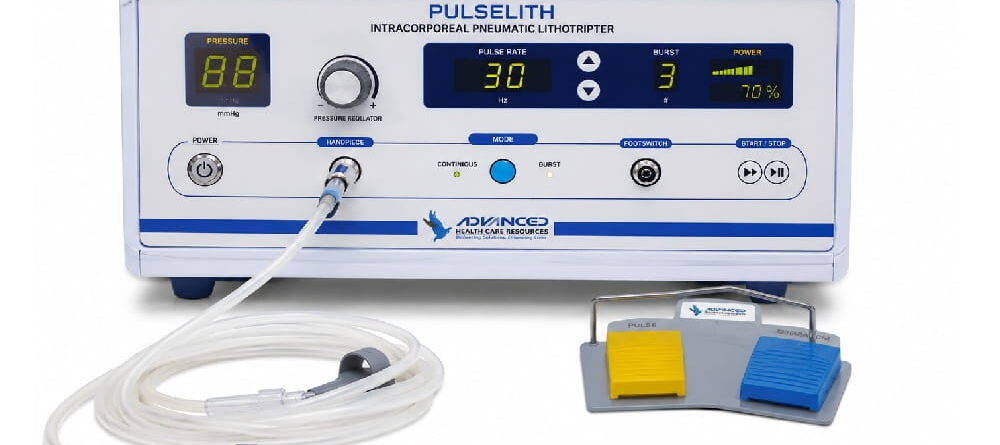
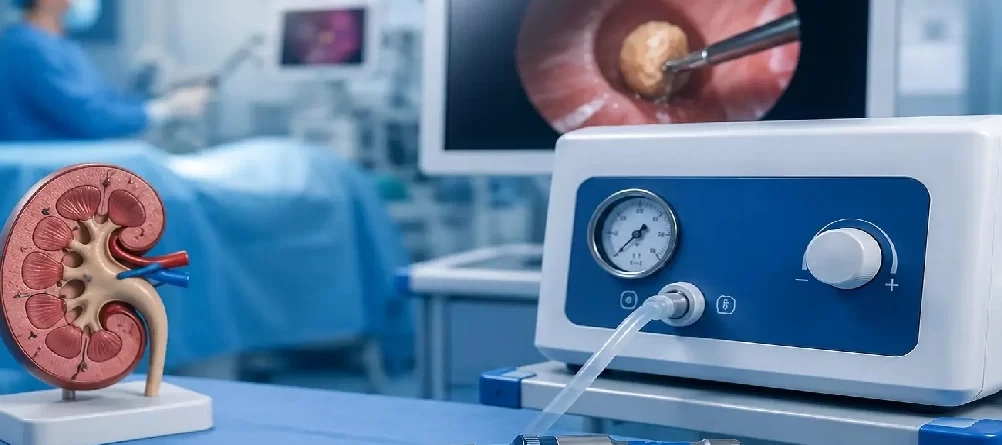
Portable vs Fixed Lithotripter Machines: Pros and Cons for Hospitals
Choosing between a portable lithotripter machine and a fixed lithotripter machine is one of the biggest infrastructure decisions a hospital or urology center will make when setting up kidney stone treatment services. The right choice affects your case volume, staffing model, maintenance costs, and ultimately...
06Jul
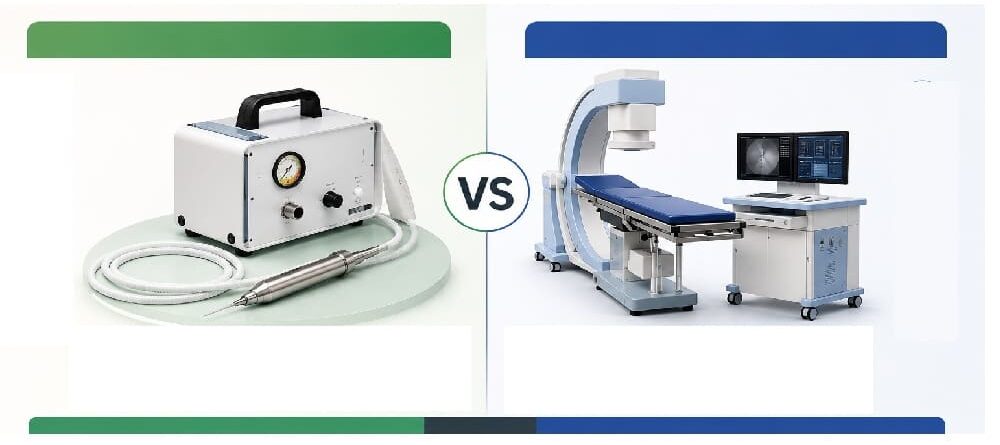
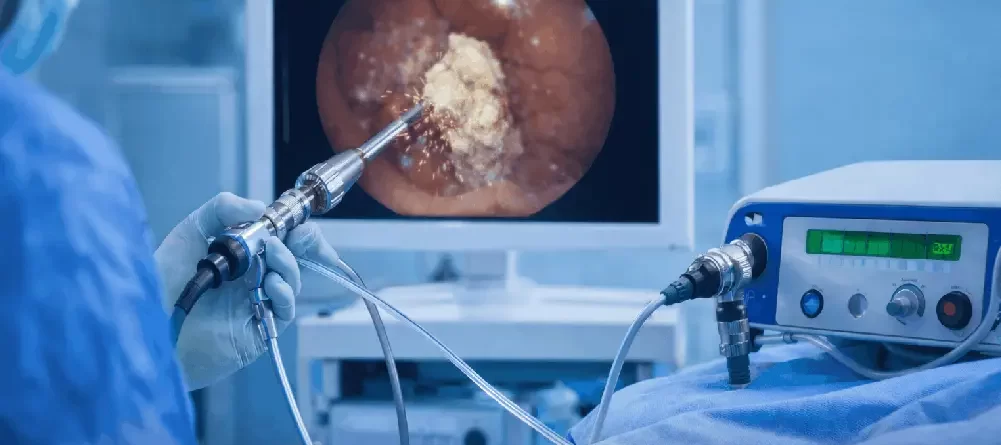
Top 5 Things to Check Before Buying a Lithotripter Machine
Investing in a lithotripter machine is a major decision for any hospital, urology clinic, or diagnostic center. Whether you're setting up a new kidney stone treatment unit or upgrading from an older ESWL machine, the right choice affects patient outcomes, staff workflow, and your return...
15Jun
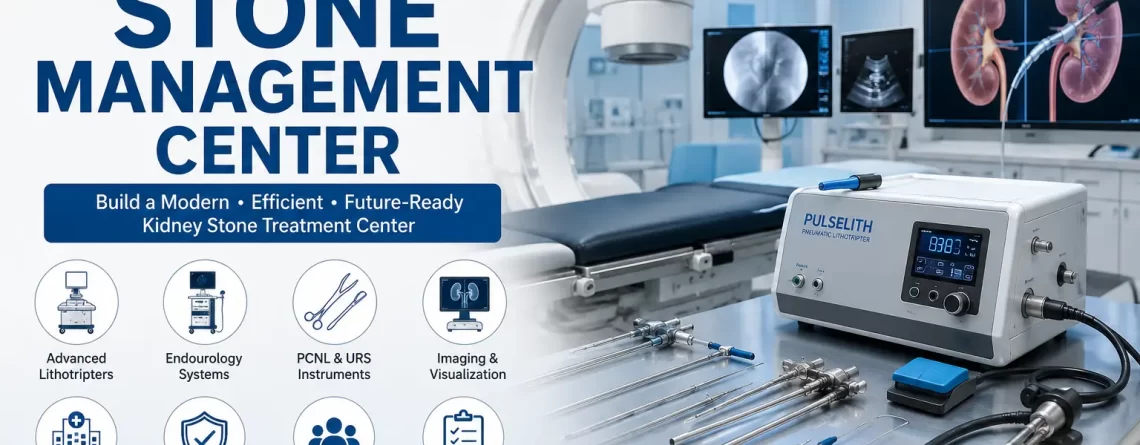
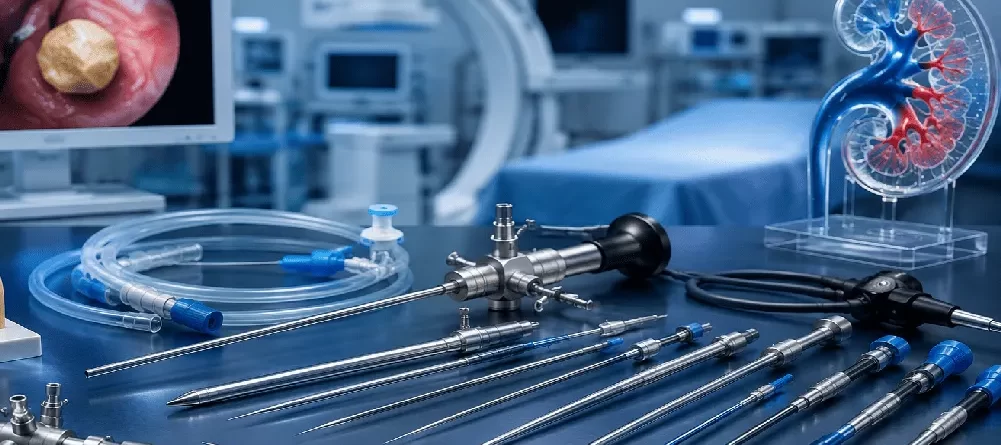
Complete Checklist for Setting Up a Stone Management Center
Kidney stone disease continues to be one of the most common urological conditions worldwide, creating growing demand for specialized stone management centers. As hospitals and healthcare providers expand their urology capabilities, dedicated stone management facilities are becoming essential for delivering efficient, minimally invasive treatment while...
10Jun
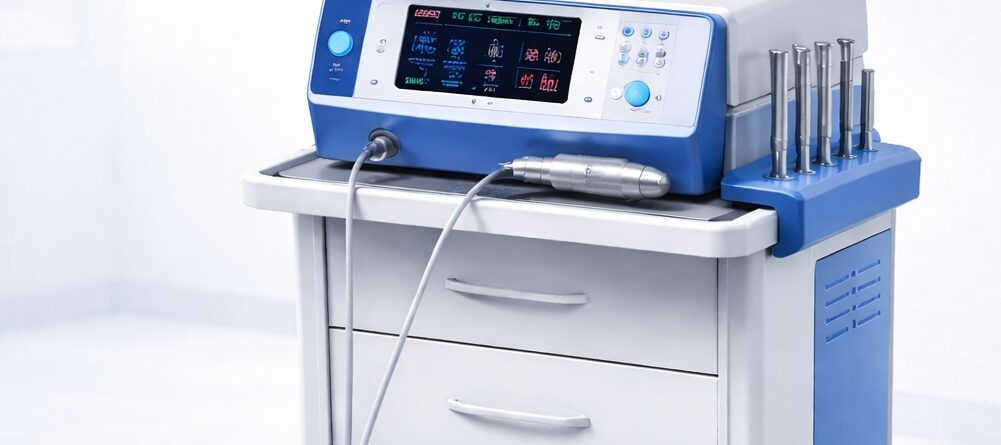
How to Choose a Pneumatic Lithotripter for URS and PCNL Procedures
Kidney stone treatment has evolved significantly over the past two decades, with minimally invasive techniques such as Ureteroscopy (URS) and Percutaneous Nephrolithotomy (PCNL) becoming standard procedures in modern urology departments. At the heart of many successful stone removal procedures is the pneumatic lithotripter, a device...
08Jun
Pneumatic Lithotripter Probe Sizes: When to Use 0.8mm vs 2.5mm
Choosing the right probe size is one of the most critical decisions in pneumatic lithotripsy. This guide covers all six probe sizes available with the Pulselith Intracorporeal Pneumatic Lithotripter — from 0.8 mm to 2.5 mm — and explains exactly when to use each one. Use...
08May
How PCNL Equipment Has Evolved in Modern Stone Management
Kidney stone treatment has changed significantly over the years. What once required open surgery is now commonly managed through minimally invasive procedures that reduce patient trauma, shorten recovery time, and improve procedural precision. One of the biggest developments in this shift has been the advancement of...
15Apr
How Pneumatic Lithotripter Works in Kidney Stone Treatment
Introduction Kidney stones are one of the most common urological conditions treated in hospitals and surgical centers worldwide. When stones become too large to pass naturally, they often require medical intervention to break them into smaller fragments for removal. Among the most widely used technologies in minimally...
16Mar
Pneumatic vs Laser Lithotripters: Which Is Better for Kidney Stone Treatment?
Highlights Pneumatic and laser lithotripters are two widely used technologies for fragmenting kidney stones during minimally invasive urology procedures. Pneumatic lithotripters use compressed air to generate mechanical impulses that break stones into fragments. Laser lithotripters typically use holmium: YAG laser energy to fragment or dust...
26Feb