
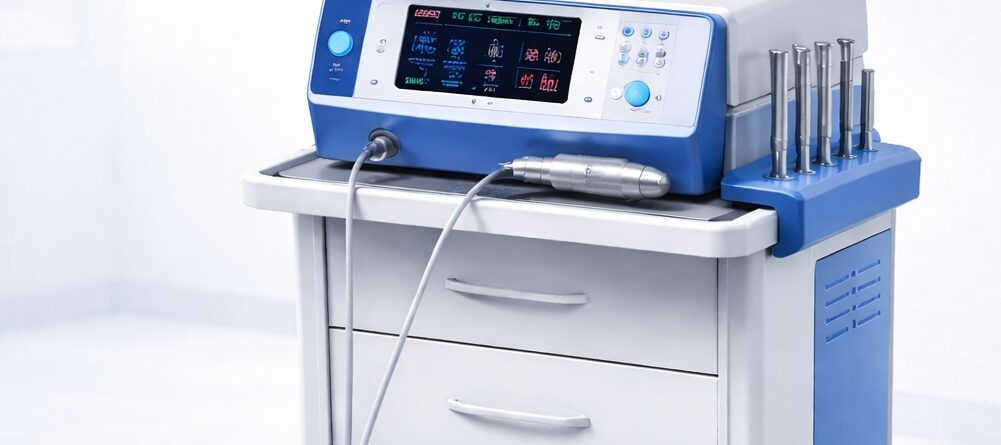
Investing in a lithotripter machine is a major decision for any hospital, urology clinic, or diagnostic center. Whether you’re setting up a new kidney stone treatment unit or upgrading from an older ESWL machine, the right choice affects patient outcomes, staff workflow, and your return on investment for years to come. Before you buy a lithotripsy machine, here are the five most important factors to evaluate.
Table of Contents
- 1. Type of Lithotripsy Technology
- 2. Stone Fragmentation Power and Precision
- 3. Build Quality, Durability, and After-Sales Support
- 4. Cost, Financing, and ROI
- 5. Manufacturer Reputation and Certifications
- Final Thoughts
1. Type of Lithotripsy Technology
Not all kidney stone treatment machines work the same way. The two most common technologies are:
- Extracorporeal Shock Wave Lithotripsy (ESWL) — a non-invasive option that uses focused shock waves to break stones from outside the body.
- Laser Lithotripsy — typically used endoscopically for larger or harder stones, offering higher precision in complex cases.
Before you buy a lithotripter machine, assess your patient volume and the types of cases you handle most. Clinics that see a high volume of standard kidney and ureteric stones often do well with a dependable ESWL machine, while hospitals handling complex urology cases may need a combined or laser lithotripsy machine setup.
2. Stone Fragmentation Power and Precision
The core job of any lithotripsy equipment is to fragment stones effectively without damaging surrounding tissue. When evaluating a lithotripter for sale, check:
- Shock wave generation method (electrohydraulic, electromagnetic, or piezoelectric)
- Focal zone size and targeting accuracy
- Imaging integration — fluoroscopy, ultrasound, or both — for real-time stone localization
- Adjustable energy settings for different stone sizes and compositions
A machine with poor targeting accuracy can mean longer procedure times and more repeat sessions, which affects both patient comfort and your clinic’s throughput. This is one of the most overlooked factors buyers skip when comparing a lithotripter machine price across vendors — cheaper units often compromise here.
3. Build Quality, Durability, and After-Sales Support
A buy lithotripter machine is a long-term clinical asset, so build quality and support infrastructure matter as much as the technology itself. Look for:
- Robust build materials rated for continuous daily use
- Availability of spare parts and consumables locally
- Installation, calibration, and staff training included with purchase
- Warranty period and terms of service contracts
- Response time for repairs and preventive maintenance visits
Downtime on a lithotripsy unit directly impacts patient scheduling and revenue, so after-sales support should carry real weight in your decision.
4. Cost, Financing, and ROI
The lithotripter machine cost varies widely depending on technology type, brand, and included accessories. When budgeting, consider:
- Upfront purchase price vs. leasing or EMI options
- Cost per procedure (consumables, maintenance, electricity)
- Expected patient volume and break-even timeline
- Resale value and upgrade paths for future technology
Buyers searching for a lithotripter machine price in India should compare quotes from multiple lithotripter suppliers and factor in total cost of ownership, not just the sticker price. Our detailed breakdown, Lithotripter Machine Price in India: Factors That Affect Cost, covers this in depth.
5. Manufacturer Reputation and Certifications
Finally, vet the manufacturer or supplier before you commit. A trustworthy lithotripter machine manufacturer should offer:
- Regulatory certifications (CE, ISO, or applicable local medical device approvals)
- A verifiable track record with hospitals and clinics in your region
- Transparent documentation and clinical validation data
- References or case studies from existing customers
Don’t hesitate to ask for client references or visit an installed site if possible.
Final Thoughts
Buying a lithotripter machine is a decision that shapes patient care quality, operational efficiency, and long-term costs for your facility. By carefully evaluating the technology type, fragmentation precision, build quality, total cost of ownership, and manufacturer credibility, you can confidently choose a kidney stone treatment machine that delivers reliable results for years to come.
Looking to explore your options? Get in touch with our team for a personalized recommendation based on your clinic’s needs and budget.



Leave a Reply