06Aug
21Jul
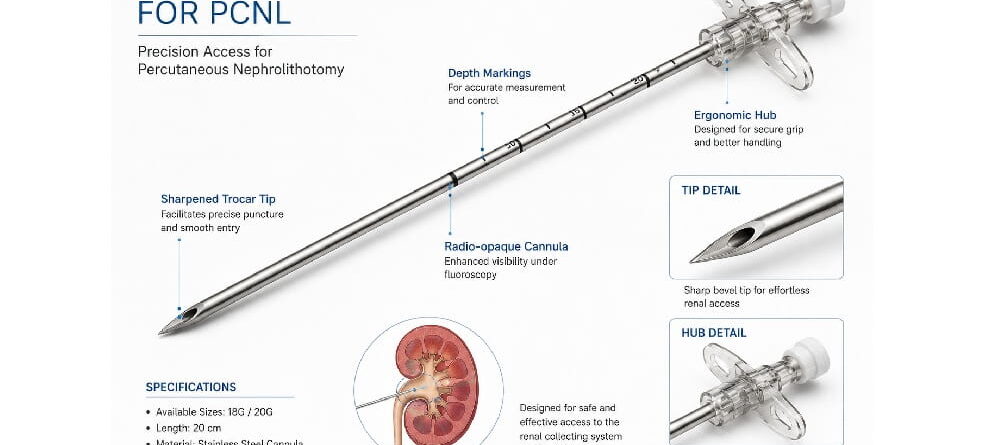
Alken Needle for PCNL: Specifications, Uses, and How to Choose the Right Gauge
Renal access is the single most decisive step in percutaneous nephrolithotomy (PCNL) — get it right, and the rest of the procedure follows a predictable path; get it wrong, and surgeons face longer access times, higher bleeding risk, and a harder road to stone clearance....
24Jun
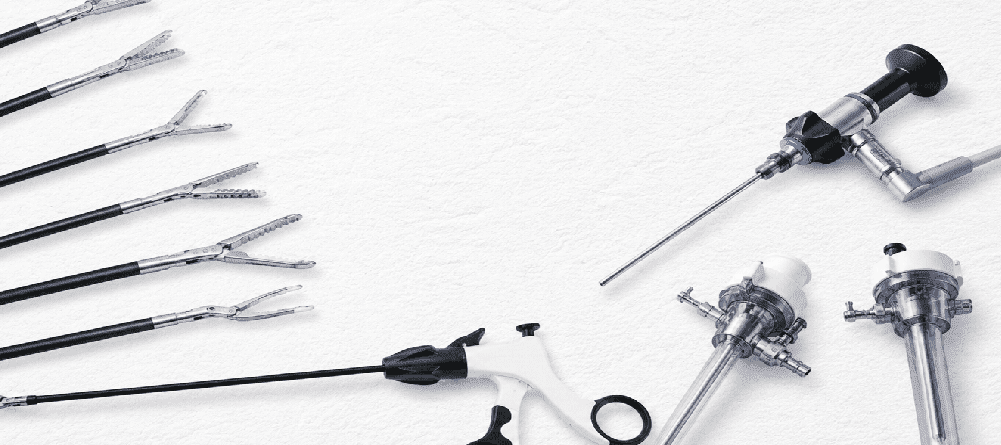
What Happens Behind the Manufacturing of High-Precision Laparoscopic Instruments
The Precision Engineering of Modern Laparoscopic Instruments An inside look into the metallurgy, advanced micro-machining, passivation, and rigorous quality standards required to manufacture medical-grade surgical instruments. In modern surgery, the boundary between a routine procedure and a groundbreaking success often measures less than a millimeter. Minimally invasive...
20Jun
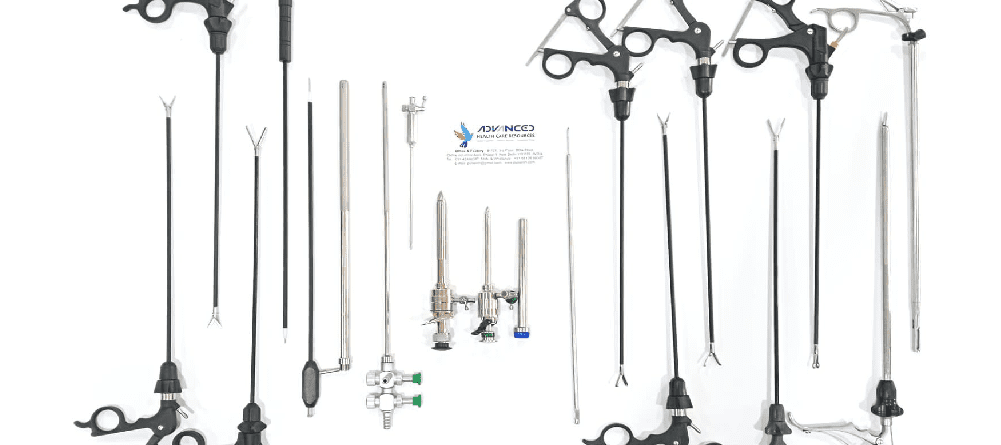
Laparoscopic Accessories for Hospitals
A Complete Guide to Building a Reliable Minimally Invasive Surgery Setup Hospitals across India and around the world are steadily expanding their laparoscopic surgery capabilities, and for good reason. Minimally invasive procedures offer patients smaller incisions, faster recovery, reduced post-operative pain, and shorter hospital stays compared...
15Jun
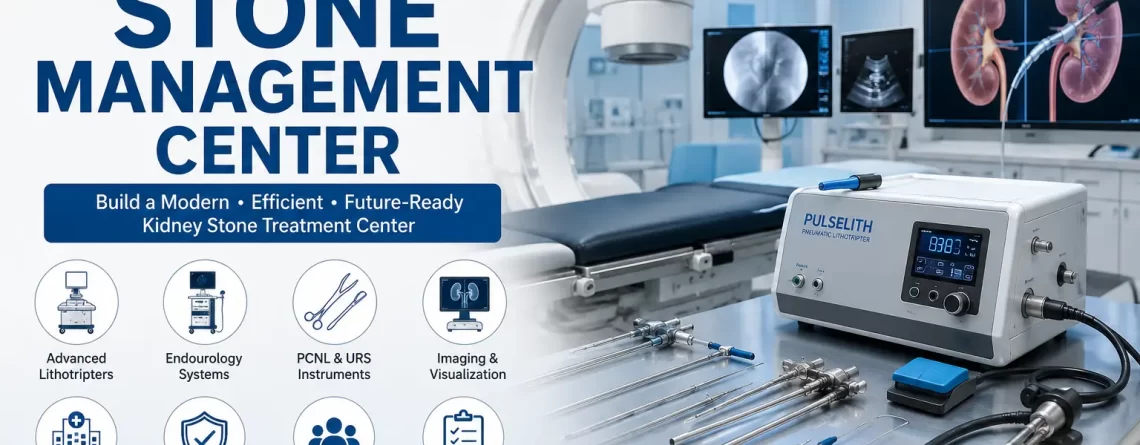
Complete Checklist for Setting Up a Stone Management Center
Kidney stone disease continues to be one of the most common urological conditions worldwide, creating growing demand for specialized stone management centers. As hospitals and healthcare providers expand their urology capabilities, dedicated stone management facilities are becoming essential for delivering efficient, minimally invasive treatment while...
04Jun
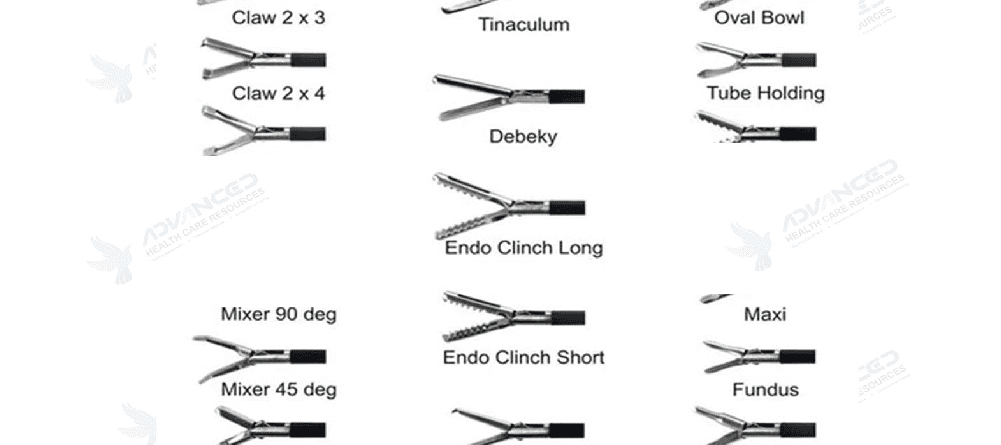
The Hidden Costs of Poor-Quality Laparoscopic Instruments
Introduction When hospitals and surgical centres evaluate laparoscopic instruments, the purchase price is almost always the number that dominates procurement conversations. That instinct is understandable — budgets are finite, and the sticker cost of a trocar or grasper is immediately visible on an invoice. What rarely...
23May
Why Reusability Is Becoming Important Again in Laparoscopic Surgery
For many years, disposable surgical products became the preferred choice across several healthcare environments. Single-use instruments were often associated with convenience, sterility assurance, and simplified inventory management. But over the last few years, a noticeable shift has started taking place inside hospitals and surgical centers...
13May
What Surgeons Actually Expect from Modern Laparoscopic Instruments
Laparoscopic surgery has transformed modern healthcare. Procedures that once required large incisions and longer recovery periods are now performed through small access points using highly specialized instruments and imaging systems. But while hospitals often evaluate laparoscopic instruments based on pricing, certifications, and product specifications, surgeons usually...
18Mar
Quality Standards for Laparoscopic Equipment Manufacturing
Key Highlights Laparoscopic surgical instruments must meet strict quality standards to ensure safe and effective minimally invasive surgery. Precision manufacturing, material quality, and rigorous inspection processes play a critical role in surgical instrument reliability. Medical device quality management systems help maintain consistency throughout the production...
24Dec