
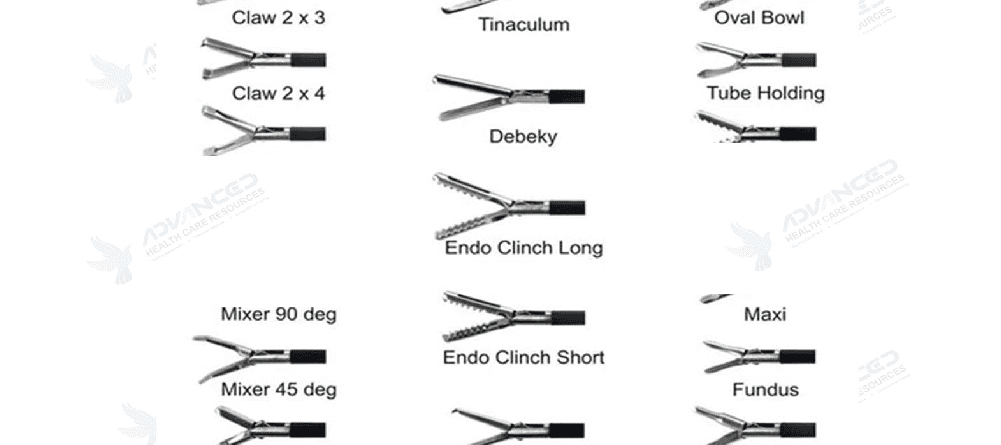
Laparoscopic surgery has transformed modern healthcare. Procedures that once required large incisions and longer recovery periods are now performed through small access points using highly specialized instruments and imaging systems.
But while hospitals often evaluate laparoscopic instruments based on pricing, certifications, and product specifications, surgeons usually focus on something very different — how the instrument actually performs during surgery.
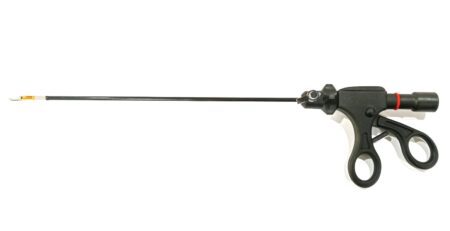
Inside an operating room, even small issues become noticeable very quickly. A slightly stiff handle, inconsistent jaw alignment, poor grip response, or instrument imbalance can affect comfort, precision, and procedural flow. Modern laparoscopic instruments are no longer viewed as simple surgical tools. For surgeons, they become an extension of movement, control, and decision-making.
This is why expectations from modern laparoscopic instruments have evolved significantly over the years.
Precision Is the First Expectation
In minimally invasive surgery, precision is everything.
Unlike open surgery, laparoscopic procedures are performed through small incisions while surgeons rely on indirect visualization through high-definition monitors. There is limited tactile feedback, which means the instrument itself becomes critical to maintaining surgical control.
Surgeons expect instruments that respond accurately and consistently to hand movement.
This includes:
- Smooth jaw movement
- Controlled tissue handling
- Stable grasping force
- Reliable articulation
- Predictable response during dissection
Even minor inconsistencies can become frustrating during delicate procedures where precision directly affects surgical confidence.
This is one reason hospitals increasingly evaluate the quality standards maintained by experienced laparoscopic instruments manufacturers in India before making procurement decisions.
Why Ergonomics Matters More Than Most People Realize
One of the most overlooked aspects of laparoscopic instrument design is ergonomics.
Many laparoscopic surgeries last several hours. During that time, surgeons repeatedly perform controlled movements while maintaining focus under magnified visualization. Poor instrument ergonomics can gradually lead to hand fatigue, wrist strain, and reduced procedural comfort.
Surgeons usually notice poor ergonomics almost immediately.
Common issues include:
- Handles that feel uncomfortable during prolonged use
- Excessive resistance during operation
- Poor grip texture
- Unbalanced instrument weight
- Limited maneuverability
Modern laparoscopic instruments are increasingly designed to reduce physical strain during longer procedures. Better grip design, smoother movement, and improved balance help surgeons maintain precision throughout surgery.
While ergonomics may not always appear prominently in product brochures, it has become one of the most important real-world expectations inside operating rooms.
Jaw Alignment and Tissue Control Matter Deeply
One of the first things surgeons evaluate in any laparoscopic instrument is jaw precision.
If the jaws do not align properly, tissue handling becomes inconsistent. Grasping strength may vary, dissection becomes less controlled, and overall confidence in the instrument decreases.
In delicate laparoscopic procedures, even slight jaw misalignment can affect procedural efficiency.
High-quality instruments are expected to maintain:
- Consistent jaw closure
- Stable grip force
- Accurate alignment
- Smooth opening and closing movement
These details become especially important in high-volume hospitals where instruments undergo repeated use and sterilization.
Consistency Is More Important Than Sharpness Alone
Many buyers assume sharpness alone defines a high-quality laparoscopic instrument. In reality, surgeons often care more about consistency.
An instrument should behave the same way:
- During the first procedure
- After repeated sterilization cycles
- Across different operating rooms
- Over long-term use
Inconsistent performance slows down procedures because surgeons must constantly adapt their handling technique.
Consistency creates confidence. When surgeons trust how an instrument responds, procedures become smoother and more predictable.
Surface Finishing and Visual Clarity Are Increasingly Important
Modern laparoscopic surgery relies heavily on high-definition visualization systems. Under magnified imaging, even small imperfections become noticeable.
Surgeons generally prefer instruments with:
- Smooth finishing
- Minimal glare under surgical lighting
- Precision-engineered tips
- Clean insulation coating
- Uniform surface texture
Poor finishing not only affects appearance — it can also affect cleaning efficiency, durability, and visual comfort during procedures.
As imaging systems become more advanced, expectations around instrument finishing continue to rise.
Repeated Sterilization Should Not Affect Performance
Reusable laparoscopic instruments are exposed to repeated sterilization cycles throughout their lifespan. Over time, poor-quality instruments may begin to show signs of wear.
Common issues include:
- Corrosion
- Stiff hinge movement
- Reduced cutting precision
- Insulation damage
- Surface discoloration
Modern hospitals expect instruments to maintain performance even after extensive clinical use.
This has increased focus on:
- Material quality
- Medical-grade stainless steel
- Passivation processes
- Durability testing
- Manufacturing consistency
Reliable surgical instruments manufacturers in India are increasingly focusing on long-term durability rather than simply reducing production costs.
Surgeons Expect Predictable Instrument Response
One of the biggest expectations in minimally invasive surgery is predictability.
When a surgeon moves an instrument, they expect immediate and controlled response. Resistance should feel consistent, articulation should remain stable, and force transmission should feel natural.
If movement becomes unpredictable, precision suffers.
This becomes particularly important during:
- Fine tissue dissection
- Intracorporeal suturing
- Tissue sealing
- Delicate grasping procedures
Modern laparoscopic surgery depends heavily on how confidently surgeons can control their instruments.
Weight and Instrument Balance Influence Surgical Comfort
Instrument weight distribution is rarely discussed outside operating rooms, but surgeons notice it immediately.
An instrument that feels too heavy or poorly balanced can increase fatigue during longer procedures. Even subtle imbalance affects maneuverability over time.
Modern laparoscopic instruments are increasingly designed with:
- Better weight distribution
- Improved balance
- Reduced hand strain
- Smoother rotational control
These refinements may appear minor, but they significantly improve comfort and procedural control during extended surgeries.
Workflow Efficiency Has Become a Major Expectation
Today, surgeons do not evaluate instruments individually anymore. They evaluate how instruments fit into the overall surgical workflow.
Modern operating rooms require systems that:
- Integrate smoothly into existing setups
- Require minimal adjustment
- Function consistently across procedures
- Reduce interruptions during surgery
Workflow disruptions caused by instrument inconsistency can increase:
- Procedure time
- Operating room stress
- Staff frustration
- Overall inefficiency
This is why hospitals increasingly prioritize manufacturers that understand real surgical workflows rather than simply supplying products.
Manufacturing Precision Directly Affects Surgical Performance
The expectations surgeons have today are closely connected to manufacturing quality.
Precision manufacturing affects:
- Jaw alignment
- Handle responsiveness
- Surface finishing
- Insulation quality
- Instrument longevity
Modern laparoscopic equipment suppliers are expected to maintain strict quality control standards to ensure consistency across production batches.
For hospitals, this directly affects reliability inside real surgical environments.
The Shift Toward Surgeon-Centric Instrument Design
Laparoscopic instrument development is becoming increasingly surgeon-centric.
Manufacturers are now focusing more on:
- Comfort during prolonged procedures
- Better tactile response
- Improved articulation
- Reduced fatigue
- More intuitive handling
The goal is no longer simply to manufacture functional instruments. The focus is shifting toward improving the overall surgical experience.
This reflects the broader evolution of minimally invasive surgery itself.
Why Hospitals Need to Understand Surgeon Expectations
Procurement decisions are often made based on:
- Pricing
- Product categories
- Certifications
- Vendor availability
But surgeon expectations are usually far more nuanced.
Hospitals that prioritize:
- Instrument precision
- Ergonomic design
- Long-term durability
- Reliable manufacturing quality
often experience:
- Better procedural consistency
- Reduced replacement frequency
- Higher surgeon satisfaction
- Improved operating room efficiency
Long-term reliability typically matters more than short-term savings.
The Future of Modern Laparoscopic Instruments
Laparoscopic instruments will continue evolving alongside advancements in minimally invasive surgery.
Future developments are expected to focus on:
- Smarter ergonomic designs
- Lighter instrument construction
- Enhanced precision engineering
- Improved insulation systems
- Better integration with digital surgery platforms
As procedures become increasingly advanced, surgeon expectations will continue rising as well.
Conclusion
Modern laparoscopic instruments are expected to do much more than simply function. Surgeons expect precision, consistency, ergonomic comfort, and predictable performance during every procedure.
In minimally invasive surgery, instrument quality directly affects surgical confidence, procedural flow, and long-term operating room efficiency.
This is why experienced laparoscopic instruments manufacturers in India are increasingly focusing not only on manufacturing capability, but also on understanding how instruments actually perform inside real surgical environments.
Quality Standards for Laparoscopic Equipment Manufacturing
Laparoscopic Instrument Suppliers in Delhi: Why the Capital Is a Hub for Quality Tools
How Indian Laparoscopic Device Manufacturers Compete Globally
Top Laparoscopic Equipment Exporters in India: Delivering Quality Worldwide
Laparoscopy Instruments for Hospitals: What Every Healthcare Facility Should Have
Innovations in Laparoscopic Surgery Equipment: India’s Game-Changing Solutions
Affordable Laparoscopic Tools in India: Balancing Quality with Cost
Best Laparoscopic Instruments in India: How Surgeons Can Choose the Right Tools
The Rise of Precision: How a Laparoscopic Equipment Manufacturer in India is Changing Surgery Standards





Leave a Reply