
Key Highlights
- Laparoscopic surgical instruments must meet strict quality standards to ensure safe and effective minimally invasive surgery.
- Precision manufacturing, material quality, and rigorous inspection processes play a critical role in surgical instrument reliability.
- Medical device quality management systems help maintain consistency throughout the production process.
- Hospitals depend on durable laparoscopic equipment designed for repeated sterilization and long-term clinical use.
- Global healthcare providers increasingly evaluate quality standards when selecting surgical equipment suppliers.
Introduction
Minimally invasive surgery has transformed modern healthcare by allowing surgeons to perform complex procedures with smaller incisions, reduced patient trauma, and faster recovery times. Laparoscopic surgery is now widely used across multiple medical specialties including general surgery, gynecology, and urology.
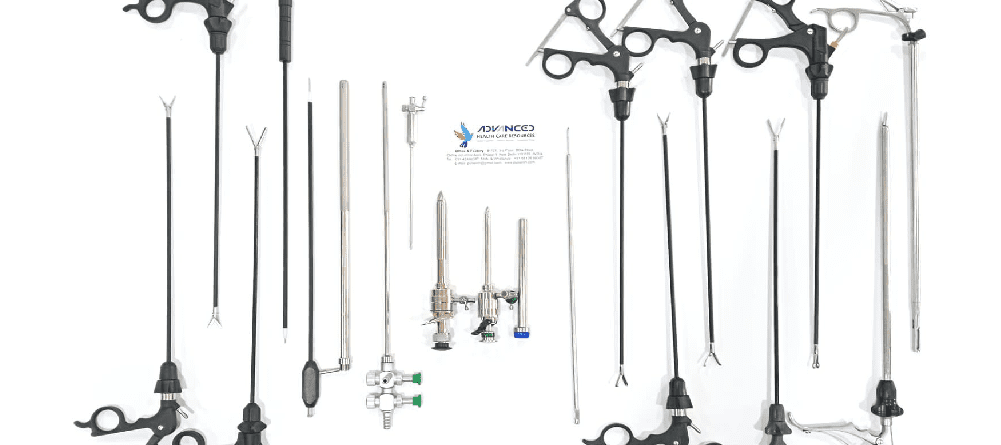
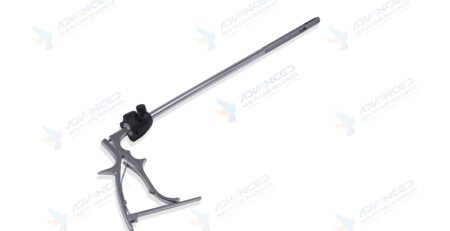
These procedures rely on highly specialized laparoscopic surgical instruments such as trocars, graspers, scissors, needle holders, and laparoscopic cameras. Because these tools operate within delicate anatomical structures, their design, durability, and precision are critical to surgical safety.
Manufacturing such instruments requires strict adherence to medical device quality standards. Factors such as material selection, dimensional accuracy, mechanical performance, and sterilization compatibility must all be carefully controlled during production.
Hospitals and healthcare providers often evaluate manufacturers based on their ability to maintain consistent quality throughout the manufacturing lifecycle. Companies operating as a laparoscopic equipment manufacturer in India increasingly focus on precision engineering, advanced production techniques, and rigorous quality inspection processes to support modern minimally invasive surgical procedures.
This article explores the key quality standards involved in laparoscopic equipment manufacturing and highlights why these standards are essential for ensuring reliable surgical performance in operating rooms worldwide.
Manufacturing Precision in Laparoscopic Surgical Instruments
Precision engineering is one of the most critical aspects of laparoscopic equipment manufacturing. Instruments used in minimally invasive procedures must operate with a high degree of accuracy because surgeons rely on them to manipulate tissues, perform dissections, and control bleeding within confined surgical spaces.
To achieve this level of precision, manufacturers often use advanced production technologies such as CNC machining, precision forging, and laser cutting. These processes allow surgical instruments to be manufactured with consistent dimensions and smooth mechanical movement, which are essential for reliable performance during surgery.
Many laparoscopic surgical instruments also undergo multiple stages of polishing and finishing. Proper surface finishing reduces friction between moving components and helps ensure that instruments function smoothly during delicate surgical procedures.
Precision manufacturing also improves the durability of instruments used in operating rooms. Surgical tools must withstand repeated use, cleaning, and sterilization cycles without losing their mechanical performance or structural integrity.
Because of these requirements, manufacturers producing minimally invasive surgery equipment invest heavily in advanced machining processes and quality inspection systems. These manufacturing practices help ensure that laparoscopic instruments meet the reliability expectations of surgeons performing modern minimally invasive procedures.
Material Quality in Laparoscopic Equipment Manufacturing
Material selection plays a crucial role in the production of reliable laparoscopic surgical instruments. Because these tools are used repeatedly in operating rooms and exposed to rigorous sterilization cycles, manufacturers must use materials that offer strength, corrosion resistance, and long-term durability.
High-grade stainless steel surgical instruments are commonly used in minimally invasive surgery equipment because stainless steel provides excellent mechanical strength while maintaining resistance to corrosion and wear. This makes it suitable for instruments that must withstand frequent cleaning, sterilization, and surgical use.
Manufacturers producing laparoscopic surgical tools carefully select materials that meet strict medical device requirements. These materials must maintain structural integrity even after repeated exposure to sterilization processes such as steam sterilization, plasma sterilization, or chemical disinfection.
In addition to strength and corrosion resistance, material quality also affects the precision and balance of surgical instruments. Proper material selection ensures that instruments such as graspers, scissors, and needle holders provide smooth mechanical movement during delicate laparoscopic procedures.
Hospitals performing minimally invasive procedures depend on durable minimally invasive surgery equipment that can maintain consistent performance over long periods of clinical use. As a result, material quality remains one of the most important factors in maintaining high standards in laparoscopic equipment manufacturing.
Quality Control and Inspection in Surgical Instrument Manufacturing
Maintaining consistent quality in laparoscopic equipment manufacturing requires strict inspection and quality control procedures throughout the production process. Because laparoscopic surgical instruments are used in delicate minimally invasive procedures, even small deviations in design or performance can affect surgical outcomes.
Manufacturers typically implement multiple stages of inspection during production to ensure that each instrument meets precise technical specifications. These inspections often include dimensional accuracy checks, surface finish evaluation, and mechanical performance testing.
Dimensional accuracy is particularly important for laparoscopic surgical instruments because many tools must pass through narrow trocars and operate within confined surgical spaces. Even minor inconsistencies in size or alignment can affect the functionality of surgical instruments during procedures.
Mechanical testing is also performed to verify the reliability of moving components such as hinges, joints, and locking mechanisms. Instruments such as graspers, scissors, and needle holders must operate smoothly and maintain proper tension during repeated surgical use.
Quality inspection processes also ensure that minimally invasive surgery equipment meets durability requirements before being supplied to hospitals and surgical centers. Through structured inspection systems and detailed quality verification procedures, manufacturers can maintain consistent performance across their surgical instrument product lines.
Compliance with Medical Device Quality Standards
Manufacturers producing laparoscopic surgical instruments must follow recognized medical device quality standards to ensure safety, reliability, and consistent product performance. These standards guide the manufacturing process, quality control procedures, documentation practices, and traceability systems used during production.
Quality management systems are commonly implemented to ensure that every stage of surgical instrument manufacturing is carefully controlled. These systems focus on maintaining consistency in production, verifying product specifications, and identifying potential issues before instruments reach hospitals or surgical centers.
Compliance with international medical device standards also ensures that minimally invasive surgery equipment is produced using structured manufacturing processes. Documentation and traceability allow manufacturers to monitor each stage of production, from raw material selection to final product inspection.
Hospitals and healthcare procurement teams often evaluate suppliers based on their ability to maintain strict quality management practices. Companies operating as a laparoscopic equipment manufacturer in India increasingly align their manufacturing processes with globally recognized medical device standards to meet the expectations of international healthcare providers.
By maintaining strong quality management systems and detailed inspection procedures, manufacturers help ensure that laparoscopic instruments meet the reliability requirements of modern minimally invasive surgical procedures.
Why Quality Standards Matter for Hospitals and Surgeons
Quality standards in laparoscopic equipment manufacturing directly influence surgical performance and patient safety. During minimally invasive procedures, surgeons depend on instruments that provide precise control, reliable mechanical movement, and consistent functionality throughout the operation.
Laparoscopic surgery requires instruments that operate within narrow spaces inside the human body. Tools such as graspers, scissors, and trocars must function smoothly to allow surgeons to perform delicate surgical tasks with accuracy. Even minor inconsistencies in instrument design or performance can affect surgical precision.
Hospitals therefore prioritize suppliers capable of producing reliable laparoscopic surgical instruments that meet strict quality and durability requirements. Instruments used in operating rooms must withstand repeated sterilization cycles and maintain consistent mechanical performance over long periods of clinical use.
For surgeons, dependable minimally invasive surgery equipment improves procedural efficiency and reduces the risk of instrument-related complications. High-quality instruments help ensure smoother surgical workflows and allow medical teams to focus on delivering effective patient care.
Because of these factors, healthcare providers carefully evaluate manufacturing quality standards when selecting suppliers of laparoscopic surgical equipment.
Conclusion
High-quality laparoscopic equipment is essential for supporting modern minimally invasive surgical procedures. Instruments used in laparoscopic surgery must deliver precision, durability, and consistent mechanical performance to meet the demands of operating rooms worldwide.
Maintaining these standards requires careful attention to multiple factors, including precision manufacturing, material quality, rigorous inspection processes, and structured quality management systems. Together, these elements help ensure that laparoscopic surgical instruments can withstand repeated clinical use while maintaining reliable performance.
Hospitals and surgical teams increasingly evaluate manufacturers based on their ability to maintain these strict production and quality standards. Reliable minimally invasive surgery equipment allows surgeons to perform procedures with greater accuracy and efficiency, ultimately improving patient outcomes.
As global demand for minimally invasive procedures continues to grow, companies operating as a laparoscopic equipment manufacturer in India play an important role in supplying precision surgical instruments designed for modern healthcare environments.
By maintaining strong quality standards and advanced manufacturing practices, surgical instrument manufacturers help ensure that hospitals and surgeons have access to dependable laparoscopic equipment for safe and effective surgical care.
Related Articles
- Essential Laparoscopic Instruments Used in Minimally Invasive Surgery
- How Laparoscopic Surgery Equipment Is Manufactured
- Key Factors Hospitals Consider When Choosing Laparoscopic Equipment
- Why Hospitals Worldwide Source Laparoscopic Equipment from India
- Types of Laparoscopic Equipment Used in Modern Surgery




Leave a Reply