
Key Highlights
- Gynecology surgery relies on specialized instruments designed for procedures involving the female reproductive system.
- Common gynecological surgical tools include speculums, forceps, curettes, dilators, and laparoscopic instruments.
- Minimally invasive gynecology procedures increasingly use advanced endoscopic equipment.
- Hospitals require durable and precision-engineered instruments to ensure safe surgical performance.
- Modern gynecology surgery combines traditional surgical tools with advanced minimally invasive equipment.
Introduction
Gynecology surgery focuses on diagnosing and treating conditions related to the female reproductive system. These procedures are performed to address a wide range of medical conditions including uterine disorders, ovarian cysts, endometriosis, infertility issues, and other reproductive health concerns.
To perform these procedures safely and effectively, surgeons rely on specialized gynecology surgical instruments. These instruments allow doctors to examine, access, and operate on delicate anatomical structures with precision and control.
Gynecological procedures may involve both traditional surgical techniques and modern minimally invasive surgery equipment. Instruments such as speculums, dilators, forceps, scissors, and curettes are commonly used during diagnostic and surgical procedures.
In recent years, advancements in obstetrics and gynecology instruments have significantly improved surgical outcomes. Many procedures can now be performed using minimally invasive techniques that reduce patient recovery time and minimize surgical trauma.
Understanding the different instruments used in gynecology surgery helps healthcare providers, hospitals, and medical distributors identify the tools required for modern women’s healthcare procedures.
Common Gynecology Surgical Instruments
Gynecology procedures require a wide range of instruments, from basic diagnostic tools to advanced endoscopic equipment used in minimally invasive surgery. Hospitals typically source both individual instruments and complete surgical sets depending on the type of procedure performed.
Common gynecology surgical instruments include speculums, forceps, curettes, dilators, and surgical scissors. These instruments are widely used for routine examinations and minor procedures.
Basic Diagnostic and Surgical Instruments
- Speculum – used to examine the cervix and vaginal canal
- Forceps – used for grasping tissues and handling surgical materials
- Curettes – used for uterine tissue removal in procedures such as D&C
- Dilators – used to open the cervix for surgical access
- Surgical scissors – used for precise tissue cutting
Hysteroscopy Instruments and Accessories
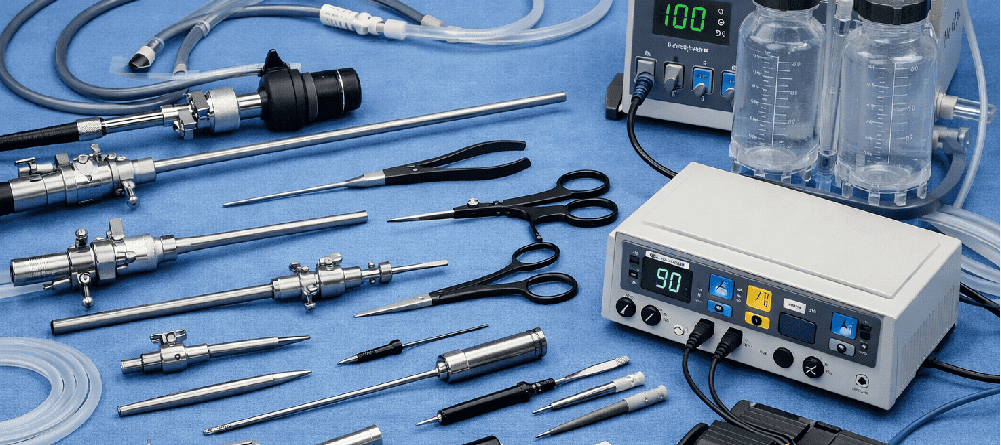
Modern gynecology procedures increasingly rely on hysteroscopy systems, which allow doctors to examine and treat conditions inside the uterus using minimally invasive techniques.
- Hysteroscope (diagnostic and operative)
- Hysteroscopy sheath systems
- Biopsy forceps and grasper forceps
- Semi-rigid scissors and operative instruments
These minimally invasive gynecology instruments are commonly used for procedures such as fibroid removal, polyp treatment, and uterine diagnostics.
Gynecology Surgical Sets and Systems
Hospitals often purchase complete gynecology instrument sets that include multiple tools required for specific procedures. These sets improve surgical efficiency and ensure that all necessary instruments are available in the operating room.
Manufacturers also provide suction and irrigation systems, along with integrated instrument kits, allowing healthcare providers to streamline procurement and manage overall equipment cost effectively.
Electrosurgical and Energy-Based Instruments
Many gynecology procedures also use energy-based instruments for cutting and coagulation. These include electrosurgical devices and accessories used in procedures such as hysteroscopy and laparoscopic surgery.
- Electrosurgical electrodes
- Resectoscopes
- Coagulation probes
These instruments allow surgeons to control bleeding and perform precise tissue removal during minimally invasive procedures.
Instruments Used in Minimally Invasive Gynecology Surgery
Minimally invasive gynecology procedures have become increasingly common because they allow surgeons to perform complex operations with smaller incisions, reduced recovery time, and fewer complications. These procedures rely on advanced laparoscopic gynecology instruments designed to provide precise control during surgery.
Hospitals performing minimally invasive procedures typically require a range of specialized tools including laparoscopic graspers, trocars, scissors, needle holders, and hysteroscopic instruments. These instruments allow surgeons to operate inside the pelvic cavity using small access points rather than traditional open surgery.
Laparoscopic Instruments
Laparoscopic procedures such as ovarian cyst removal, endometriosis treatment, and hysterectomy rely on precision-engineered instruments. Tools such as trocars, graspers, dissectors, and laparoscopic scissors are commonly used to manipulate tissues during these procedures.
When hospitals evaluate suppliers of laparoscopic surgical instruments, they often compare factors such as instrument durability, sterilization compatibility, and overall equipment cost. Healthcare procurement teams may also review the price of gynecology surgical instruments to ensure they obtain reliable equipment while maintaining budget efficiency.
Hysteroscopy Instruments
Hysteroscopy procedures allow doctors to examine the inside of the uterus using a thin endoscopic instrument called a hysteroscope. This procedure is commonly used to diagnose or treat conditions such as uterine polyps, fibroids, and abnormal bleeding.
Instruments used in hysteroscopy procedures may include hysteroscopes, tissue removal devices, biopsy forceps, and dilators. Hospitals frequently source these gynecology surgery instruments as part of complete surgical instrument sets designed for women’s health procedures.
Hospital Procurement and Instrument Cost Considerations
Healthcare providers purchasing obstetrics and gynecology instruments often consider several factors before selecting a supplier. These factors may include product reliability, material quality, ease of sterilization, and the overall cost of surgical instruments used in minimally invasive procedures.
For hospitals performing large numbers of gynecological procedures, selecting durable instruments that offer long-term value can help reduce operational costs while ensuring consistent surgical performance.
How Hospitals Choose Gynecology Instrument Manufacturers
Hospitals and healthcare providers carefully evaluate manufacturers when purchasing surgical instruments used in women’s health procedures. Because gynecology surgeries require precise and durable tools, procurement teams prioritize suppliers capable of delivering reliable gynecology surgical instruments that meet clinical performance standards.
Several factors influence how hospitals select suppliers of obstetrics and gynecology instruments. These include product quality, manufacturing expertise, sterilization compatibility, and the long-term durability of surgical instruments used in operating rooms.
Quality and Reliability of Instruments
One of the most important considerations is the quality of the instruments themselves. Tools such as speculums, forceps, dilators, and laparoscopic gynecology instruments must perform consistently during delicate procedures. Hospitals often evaluate manufacturers based on production standards, material quality, and precision engineering.
Cost and Pricing Considerations
Healthcare procurement teams also review the overall cost of gynecology surgical instruments when selecting suppliers. While price is an important factor, hospitals typically focus on long-term value rather than the lowest upfront cost. Durable surgical instruments that withstand repeated sterilization cycles can help reduce replacement costs and improve operational efficiency.
Many hospitals compare different suppliers to understand the typical price of gynecology instrument sets, especially for procedures involving minimally invasive surgery or hysteroscopy equipment.
Supplier Experience and Manufacturing Capability
Manufacturers with experience producing precision surgical instruments are often preferred by hospitals and medical distributors. Companies operating as a gynecology surgical instrument supplier in India and global suppliers of women’s health surgical equipment increasingly support hospitals worldwide with surgical tools designed for modern women’s health procedures.
Reliable manufacturers also provide consistent product availability, detailed product documentation, and support for hospitals purchasing gynecology surgical equipment.
Quality Standards for Gynecology Surgical Instruments
Gynecology procedures require instruments that meet strict quality and safety standards. Surgical tools used in women’s health procedures must be manufactured with precision to ensure reliable performance during examinations and surgical interventions.
Manufacturers producing gynecology surgical instruments typically follow structured quality control processes that include material inspection, dimensional verification, and mechanical performance testing. These processes help ensure that instruments function correctly during delicate procedures involving the uterus, cervix, and surrounding reproductive organs.
Hospitals also evaluate whether surgical instruments can withstand repeated sterilization cycles. Durable obstetrics and gynecology instruments must maintain their structural integrity even after frequent cleaning, autoclaving, and clinical use in operating rooms.
Maintaining strong manufacturing and inspection standards helps ensure that gynecological surgical tools remain safe, reliable, and suitable for long-term hospital use.
Gynecology Surgical Instrument Sets Used in Hospitals
Many hospitals purchase gynecology surgical instruments as part of complete instrument sets designed for specific procedures. These sets may include speculums, forceps, curettes, dilators, scissors, and other tools required for routine gynecological examinations or surgical procedures.
Buying instruments as part of a complete gynecology instrument set helps healthcare providers ensure that all necessary tools are available for diagnostic and surgical procedures. Hospitals often compare the price of gynecology instrument sets when evaluating suppliers and selecting equipment for operating rooms.
Procurement teams also consider factors such as instrument durability, material quality, and long-term cost efficiency when selecting surgical instrument sets for women’s healthcare departments.
Reliable surgical instruments allow hospitals to maintain consistent surgical performance while supporting safe and efficient gynecology procedures.
Conclusion
Gynecology surgery relies on a wide range of specialized instruments designed to support safe and effective procedures involving the female reproductive system. From diagnostic tools such as speculums and dilators to advanced laparoscopic and hysteroscopy instruments, these surgical tools play a critical role in modern women’s healthcare.
Hospitals and healthcare providers must carefully evaluate the quality, durability, and cost efficiency of gynecological surgical instruments when selecting equipment for their operating rooms. Reliable instruments help ensure accurate surgical performance while supporting long-term clinical use in busy healthcare environments.
As demand for minimally invasive procedures continues to grow, many healthcare providers work with experienced Gynecology Instrument Manufacturers in India that supply precision-engineered instruments for women’s health procedures. Manufacturers capable of maintaining strong production standards and consistent product quality help ensure that hospitals and surgeons have access to dependable surgical equipment.
Understanding the instruments used in gynecology surgery allows hospitals, medical professionals, and distributors to identify the tools required for modern gynecological procedures and support safe patient care.


Leave a Reply