
Investing in a high-performance hysteroscope set is one of the most critical decisions for any modern gynaecology clinic, hospital, or outpatient surgical centre. As minimally invasive procedures continue to replace conventional blind curettage, having reliable, high-clarity diagnostic and operative instruments directly impacts diagnostic accuracy, patient safety, and clinical efficiency.
However, selecting the right equipment can be overwhelming given the wide range of optical angles, sheath diameters, illumination systems, and structural designs available today. Whether you are setting up a new outpatient facility or upgrading existing surgical instrumentation, this comprehensive guide will walk you through everything you need to know before you Buy Hysteroscopy Set equipment for your practice.
1. Understanding the Core Components of a Hysteroscope Set
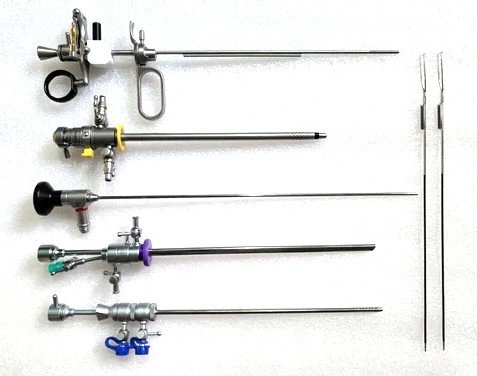
A standard medical-grade hysteroscope set consists of several integrated instruments designed to deliver clear intrauterine visualization and precise instrumentation capabilities. Before evaluating technical specifications, it is essential to understand the core elements that make up a complete system:
- Telescope (Optical Lens): The optical core of the instrument. Standard adult hysteroscopes typically feature outer diameters ranging from 2.7 mm to 4.0 mm, equipped with high-definition, multi-coated glass lenses for maximum light transmission and image sharpness.
- Inner and Outer Sheaths: Provide a protective sleeve for the telescope while facilitating continuous irrigation and suction. Continuous flow sheaths ensure a clear field of view throughout the procedure by continuously flushing blood and uterine debris.
- Obturator: Positioned inside the sheath during insertion to prevent trauma to the cervical canal.
- Operative Instruments: Flexible or semi-rigid accessories including biopsy forceps, grasping forceps, scissors, and electrosurgical electrodes that pass through the working channel.
- Light Guide Cable & Adaptors: High-transmission fiber-optic cables that transfer light from an external LED or Xenon light source to the tip of the telescope.
2. Diagnostic vs. Operative Hysteroscopy Sets: Which Does Your Clinic Need?
One of the primary factors influencing your selection is whether your clinic primarily conducts diagnostic evaluations or performs active intrauterine interventions.
Diagnostic Hysteroscopy Sets
Diagnostic sets are designed for rapid, low-trauma examination of the uterine cavity. They typically feature slim outer sheaths (ranging from 3 mm to 4.5 mm) and can often be introduced without cervical dilation or local anesthesia (the “vaginoscopic approach”).
- Best Suited For: Evaluating unexplained uterine bleeding, postmenopausal bleeding, recurrent pregnancy loss, and confirming intrauterine adhesions or polyps.
- Key Advantage: Minimal patient discomfort, making them ideal for office-based or outpatient consultation rooms.
Operative Hysteroscopy Sets
Operative sets feature larger sheaths (usually 5 mm to 8 mm outer diameter) designed with dedicated working channels (5 Fr to 7 Fr) to accommodate surgical instruments.
- Best Suited For: Polypectomy, myomectomy, septum resection, targeted biopsies, foreign body removal (e.g., embedded IUDs), and intrauterine adhesion lysis.
- Key Advantage: Enables immediate treatment during the diagnostic phase, reducing the need for repeat procedures and multiple patient visits.
Clinical Tip: If your practice caters to both initial consultations and minor surgical procedures, investing in a modular system or a comprehensive Hysteroscopy Set that includes interchangeable diagnostic and operative continuous flow sheaths is the most cost-effective approach.
3. Key Technical Specifications to Evaluate Before Purchasing
To ensure high durability, superior optics, and seamless ergonomics, evaluate the following technical features when comparing options:
A. Optical Direction of View (Lens Angle)
Hysteroscopic telescopes come with different optical direction angles embedded at the distal tip:
- 0° Angle (Straight Forward): Provides a direct line of view. Excellent for straightforward entry and simple diagnostic visualization, but offers limited peripheral inspection.
- 12° or 30° Angle (Directional / Wide Angle): The industry standard for gynaecology. A 30° angle allows clinicians to view the entire uterine cavity, including the tubal ostia, simply by rotating the telescope shaft without excessive movement at the cervix.
B. Continuous Flow Irrigation Capabilities
Effective uterine distension and continuous fluid circulation are vital for maintaining a clear vision. Look for continuous flow sheaths equipped with dual stopcocks (separate inflow and outflow channels). This feature continuously flushes out blood, mucus, and debris, ensuring uninterrupted visibility during operative tasks.
C. Material Quality and Autoclavability
Durability is a major factor in long-term return on investment. Ensure the optical telescope and mechanical instruments are manufactured from surgical-grade stainless steel with laser-welded joints and sapphire crystal protection glass at both the objective lens and ocular ends. Verify that the system is fully autoclavable at 134°C (273°F) for fast and effective steam sterilization.
4. Why Global Clinics Choose to Buy Hysteroscopy Sets from India
In recent years, India has emerged as a major global hub for precision medical equipment manufacturing. Healthcare providers and international medical supply distributors increasingly choose to Buy Hysteroscopy Set from India due to several key factors:
- Uncompromising Quality & International Standards: Leading Indian manufacturers produce ISO and CE-compliant endoscopic optics and surgical instruments engineered with high-precision optical German glass technology.
- Cost Efficiency: Clinics can access high-definition optical systems and full surgical working channels at a fraction of Western brand prices without sacrificing durability or visual clarity.
- Comprehensive Solutions: Indian manufacturers often supply complete, ready-to-use sets containing the optical telescope, diagnostic sheath, operative sheath, working bridge, flexible instruments, and protective sterilization containers in a single packaged setup.
5. Checklist: Steps Before Making Your Final Decision
Before issuing a purchase order for your facility, run through this practical checklist:
- Assess Patient Volume and Case Mix: Determine the ratio of diagnostic examinations vs. minor or major operative cases performed at your facility.
- Check Equipment Compatibility: Ensure the light guide post on the telescope is compatible with your existing light sources (ACMI, Storz, Olympus, or Wolf light cables).
- Verify Warranty & Technical Support: Confirm that the manufacturer provides a comprehensive warranty, readily available spare parts, and optical repair/reconditioning services.
- Inspect Sterilization Protocols: Ensure your facility’s OT staff can easily clean and sterilize all disassembled sheath components and working bridges without risking instrument damage.
Conclusion
Selecting the right equipment for your clinic requires balancing clinical requirements, optical performance, and long-term operating costs. A versatile, high-grade optical system enhances clinical diagnostic confidence while providing patients with a safer, faster, and less invasive experience.
If you are looking to upgrade your clinic’s endoscopic infrastructure with high-precision, durable medical instruments, explore the complete PulseLith Hysteroscopy Set to review full specifications and request a tailored quote for your facility today.

Leave a Reply