
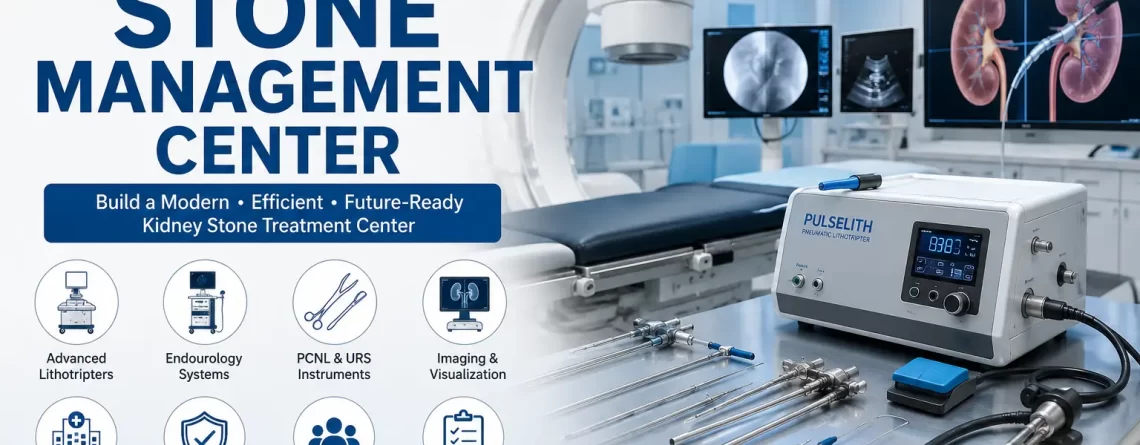
Kidney stone disease continues to be one of the most common urological conditions worldwide, creating growing demand for specialized stone management centers. As hospitals and healthcare providers expand their urology capabilities, dedicated stone management facilities are becoming essential for delivering efficient, minimally invasive treatment while improving patient outcomes.
However, setting up a successful stone management center requires far more than purchasing a lithotripter machine. Hospitals must carefully evaluate infrastructure, equipment, imaging systems, surgical instruments, sterilization processes, clinical expertise, and long-term operational goals. A well-equipped center can provide comprehensive kidney stone treatment, reduce referrals, improve procedural efficiency, and strengthen a hospital’s reputation as a leading urology care provider.
This checklist outlines the key considerations for hospitals, healthcare administrators, and procurement teams planning to establish or upgrade a stone management center.
Define the Range of Stone Management Services
The first step in building a stone management center is determining the scope of services you intend to provide. Some facilities focus primarily on diagnostic evaluations and basic ureteroscopy procedures, while advanced centers offer a complete range of kidney stone treatment options, including Percutaneous Nephrolithotomy (PCNL), Ureteroscopy (URS), cystoscopy, and stone fragmentation procedures.
The broader the range of services, the greater the need for specialized urology equipment, endourology instruments, trained staff, and supporting infrastructure. Clearly defining clinical objectives early in the planning process helps ensure equipment purchases align with long-term goals.
Develop the Right Infrastructure
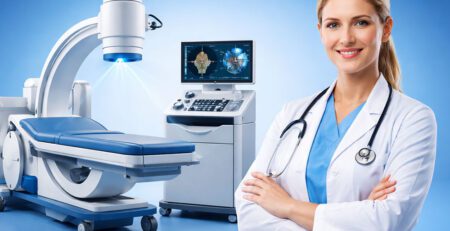
A stone management center should be designed to support smooth patient flow and efficient surgical workflows. The facility must accommodate patient consultations, diagnostics, procedure preparation, surgery, recovery, and equipment maintenance.
Procedure rooms should provide adequate space for imaging systems, endoscopy towers, stone fragmentation equipment, and surgical teams. Dedicated storage areas for urology instruments and sterilized equipment are equally important. Well-planned infrastructure minimizes delays and creates a safer environment for both patients and healthcare professionals.
Invest in Reliable Stone Fragmentation Equipment
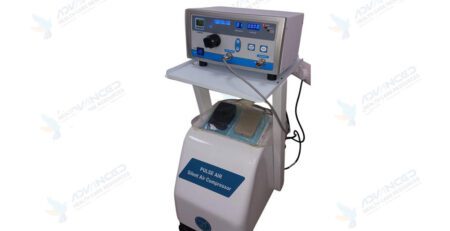
At the heart of every stone management center is the stone fragmentation system. For many hospitals, a pneumatic lithotripter remains one of the most cost-effective and reliable solutions for breaking kidney stones during URS and PCNL procedures.
The quality of the lithotripter directly affects procedural efficiency, stone fragmentation performance, equipment longevity, and maintenance costs. Hospitals should evaluate not only the purchase price but also the manufacturer’s support capabilities, availability of spare parts, service response times, and compliance with international quality standards.
Ensure Availability of Essential Endourology Equipment
Stone management procedures rely on multiple systems working together. Visualization, irrigation, access creation, stone retrieval, and imaging must function seamlessly throughout the procedure.
A complete stone management center should typically include:
- Pneumatic lithotripter or stone fragmentation system
- Cystoscopy system
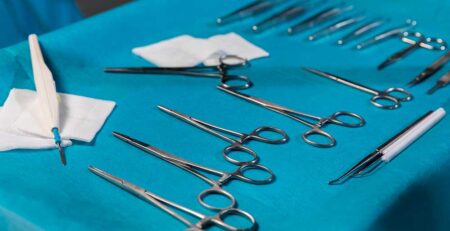
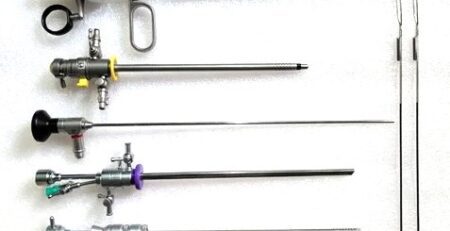
- Resectoscopy instruments
- Endoscopy camera system
- Medical-grade monitor and visualization equipment
- URS irrigation device
- Light source and camera control unit
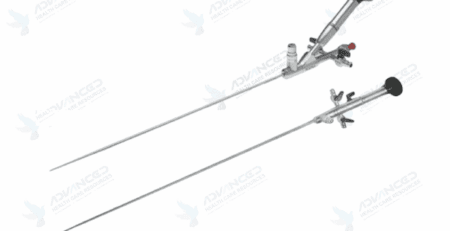
- Flexible and rigid endoscopes
Selecting compatible equipment from trusted manufacturers can simplify maintenance and improve procedural efficiency.
Build a Comprehensive PCNL Instrument Inventory
Percutaneous Nephrolithotomy remains the preferred treatment for large and complex kidney stones. Since PCNL depends heavily on precise renal access and tract creation, having the right instruments available is essential.
Hospitals should focus on building a reliable inventory of access and retrieval instruments that support the entire procedure from puncture to stone extraction.
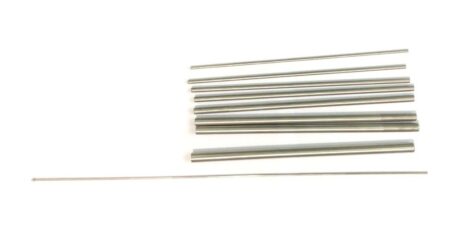
- Alken Needles
- Guidewires
- Fascial dilators
- Nephroscopes
- Access sheaths
- Stone graspers
- Retrieval forceps
- Stone baskets
High-quality instruments help reduce procedural complications and contribute to more consistent clinical outcomes.
Support Both Flexible and Rigid Ureteroscopy Procedures
Modern stone management centers should be prepared to handle a wide variety of stone locations and patient conditions. Flexible ureteroscopy has become increasingly popular because it allows access to difficult anatomical areas while minimizing patient trauma.
Facilities should ensure compatibility between ureteroscopes, irrigation devices, access sheaths, stone retrieval systems, and stone fragmentation equipment. A well-integrated setup helps improve procedural efficiency and surgeon confidence.
Prioritize Imaging and Visualization Systems
Accurate imaging plays a crucial role throughout the patient journey. From initial diagnosis to intraoperative guidance and post-procedure evaluation, imaging systems support clinical decision-making and procedural precision.
Hospitals should invest in imaging technology that provides clear visualization during renal access, stone fragmentation, and stone retrieval. Poor imaging quality can increase procedure time, reduce efficiency, and potentially affect patient outcomes.
The combination of advanced imaging systems and high-definition endoscopy equipment creates a more effective stone management environment.
Implement Strong Sterilization and Infection Control Protocols
Stone management procedures involve repeated use of specialized endourology equipment and reusable surgical instruments. Proper sterilization processes are essential for maintaining patient safety and extending equipment lifespan.
Hospitals should establish standardized protocols covering instrument cleaning, sterilization, storage, inspection, and maintenance. Routine quality checks help ensure compliance with infection control standards while protecting valuable equipment investments.
Build a Multidisciplinary Clinical Team
The success of a stone management center depends not only on technology but also on the expertise of the clinical team. Skilled urologists, operating room nurses, technicians, anesthesiologists, and biomedical engineers all contribute to successful outcomes.
Ongoing training programs help teams remain current with evolving stone management techniques, new equipment, and best practices. Hospitals that invest in staff development often achieve higher procedural efficiency and patient satisfaction.
Choose Manufacturers with Strong Regulatory Compliance
Medical equipment should always be sourced from manufacturers that adhere to recognized quality standards. Compliance provides assurance that products are designed, manufactured, and tested according to established medical device regulations.
Before purchasing equipment, hospitals should verify:
- ISO 13485 certification
- CDSCO registration and compliance
- CE certification where applicable
- Quality management systems
- Product documentation and traceability
- Technical support capabilities
Partnering with experienced medical device manufacturers helps reduce risk and supports long-term operational reliability.
Evaluate Service Support and Equipment Maintenance
Equipment downtime can significantly disrupt surgical schedules and affect patient care. When selecting suppliers, hospitals should carefully assess after-sales support, preventive maintenance programs, and spare parts availability.
A dependable service network often provides greater long-term value than a lower purchase price. Rapid technical support helps ensure equipment remains operational when needed most.
Plan for Future Growth and Expansion
The prevalence of kidney stone disease continues to increase worldwide. Hospitals should therefore design stone management centers with future expansion in mind.
Scalable infrastructure, flexible equipment platforms, and long-term supplier partnerships make it easier to add new services, increase procedure volumes, and adopt emerging technologies as demand grows.
Forward-thinking planning can help avoid costly renovations and equipment replacements in the future.
Conclusion
Setting up a successful stone management center requires careful planning, strategic investment, and a commitment to quality patient care. From pneumatic lithotripters and PCNL instruments to imaging systems, endourology equipment, and skilled clinical teams, every component contributes to procedural success and operational efficiency.
Hospitals that prioritize reliable kidney stone treatment equipment, advanced urology instruments, strong regulatory compliance, and ongoing staff training are better positioned to deliver comprehensive stone management services while achieving sustainable long-term growth.
Frequently Asked Questions
What is a stone management center?
A stone management center is a specialized healthcare facility that focuses on the diagnosis, treatment, and management of kidney stones using advanced urology equipment, endourology systems, and minimally invasive procedures such as URS and PCNL.
What equipment is required for a stone management center?
A stone management center typically requires pneumatic lithotripters, cystoscopy systems, PCNL instruments, ureteroscopes, endoscopy camera systems, imaging equipment, irrigation devices, and stone retrieval instruments.
Why is a pneumatic lithotripter important in stone management?
A pneumatic lithotripter is used to fragment kidney stones during URS and PCNL procedures. It is widely preferred for its reliability, effectiveness, and cost-efficiency in stone management programs.
What procedures are commonly performed in a stone management center?
Common procedures include ureteroscopy (URS), Percutaneous Nephrolithotomy (PCNL), cystoscopy, stone fragmentation, stone retrieval, and diagnostic urological evaluations.
How do hospitals choose stone management equipment?
Hospitals evaluate equipment based on clinical performance, quality certifications, regulatory compliance, service support, durability, compatibility with existing systems, and long-term operational value.
What certifications should medical equipment manufacturers have?
Hospitals should look for manufacturers that maintain ISO 13485 certification, CDSCO compliance, CE certification where applicable, and documented quality management systems.





Leave a Reply