
A Complete Guide to Building a Reliable Minimally Invasive Surgery Setup
Hospitals across India and around the world are steadily expanding their laparoscopic surgery capabilities, and for good reason. Minimally invasive procedures offer patients smaller incisions, faster recovery, reduced post-operative pain, and shorter hospital stays compared to open surgery.
However, the success of every laparoscopic procedure depends on far more than just a skilled surgeon. It depends on a complete, well-coordinated ecosystem of laparoscopic accessories that work seamlessly together in the operating room. From trocars and graspers to clip applicators and suction-irrigation systems, every accessory plays a precise role in ensuring patient safety and surgical efficiency.
In this guide, we walk through everything hospital administrators, procurement teams, and surgeons should know about laparoscopic accessories, why they matter, what to look for when sourcing them, and how partnering with an experienced Indian surgical equipment manufacturer like Pulselith by Advanced Health Care Resources can help your hospital build a dependable, future-ready laparoscopy department.
Why Laparoscopic Accessories Matter for Modern Hospitals
Laparoscopic surgery, also known as keyhole or minimally invasive surgery, relies on a network of specialised instruments that allow surgeons to operate through small incisions while viewing the surgical field on a high-definition monitor.
Unlike traditional open surgery, where the surgeon’s hands have direct access to the operating site, laparoscopic procedures require precision-engineered accessories that can be inserted through narrow ports, manipulated with accuracy, and removed safely once the procedure is complete. Every accessory, whether it is a simple grasper or a sophisticated insufflator, contributes directly to surgical outcomes, operating room efficiency, and overall patient satisfaction.
For hospitals, investing in the right laparoscopic accessories is not just a clinical decision but also a strategic one. Quality instruments reduce procedure time, lower the risk of intraoperative complications, support better infection control, and help hospitals build a strong reputation for advanced surgical care. As more patients actively seek out minimally invasive treatment options, hospitals equipped with reliable, well-maintained laparoscopic instrumentation are better positioned to attract specialists and patients alike.
Essential Categories of Laparoscopic Accessories Every Hospital Should Stock
A well-equipped laparoscopy department typically maintains a core inventory of accessories across several categories. Understanding these categories helps hospital procurement teams plan budgets, maintain adequate stock levels, and ensure that operating rooms are never caught unprepared during an emergency procedure.
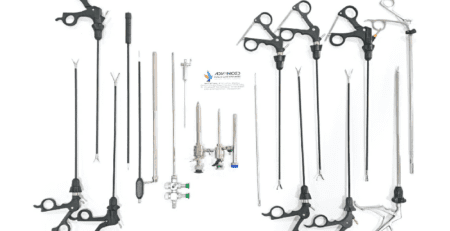
- Access and entry instruments such as Veress needles and trocar cannulas, which create safe entry points into the abdominal cavity
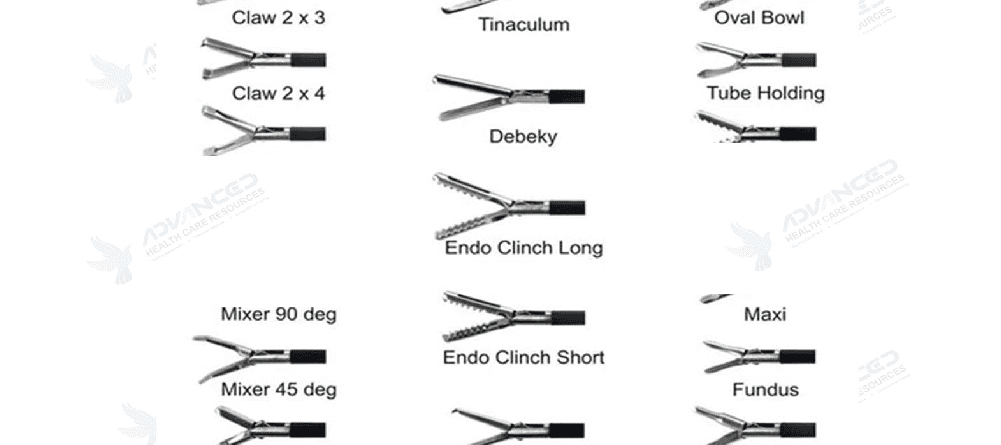
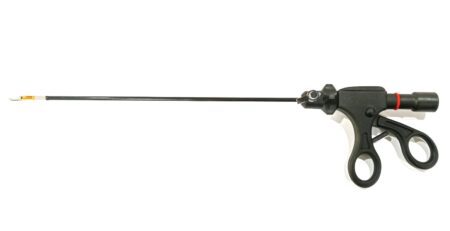
- Grasping and dissecting instruments including atraumatic graspers, bowel fenestrated graspers, and Allis grasper forceps for tissue handling
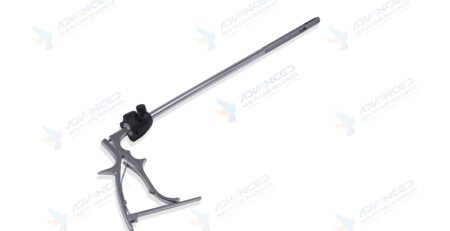
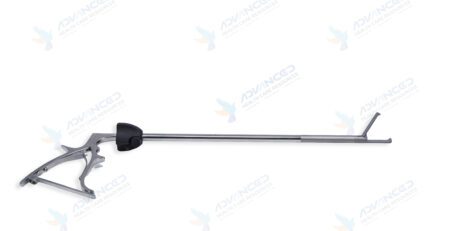
- Clip applicators such as Hem-o-lok style clip applicators used for secure vessel and duct closure
- Suction irrigation systems that keep the surgical field clear of blood and fluid for unobstructed visibility
- Extraction devices like gall bladder extractor graspers used to remove specimens through small ports safely
- Visualisation accessories including telescopes, light sources, and camera couplers that deliver clear, high-definition imaging
Beyond this core list, hospitals performing specialised procedures may also require gynecology-specific accessories such as hysteroscopy sets, urology accessories like cystoscopy set and resectoscope components, and lithotripter accessories for stone management procedures. Pulselith manufactures across this entire spectrum, which allows hospitals to consolidate sourcing with a single trusted partner rather than managing multiple vendors for different specialities.
Trocars and Cannulas: The Gateway to Every Procedure
Trocars and cannulas are arguably the most fundamental laparoscopic accessories, since they form the entry pathways through which every other instrument passes. A good trocar cannula system, available in sizes such as 5mm and 10mm, should offer a stable seal to maintain pneumoperitoneum, smooth insertion with minimal tissue trauma, and a secure grip that prevents accidental dislodgement during the procedure.
Hospitals should prioritise accessories with corrosion-resistant, highly polished surfaces, as these qualities directly support easier cleaning, longer instrument life, and dependable performance across repeated sterilisation cycles.
Graspers, Forceps, and Clip Applicators: Precision in Every Movement
Tissue handling accessories such as grasping forceps, scissors, and clip applicators demand exceptional ergonomic design because surgeons often use them continuously for extended periods. Atraumatic grasping forceps are designed to hold delicate tissue without causing damage, while standard grasping forceps in stainless steel provide the strength needed for firmer tissue manipulation.
Clip applicators, commonly used in procedures like laparoscopic tubal ligation and cholecystectomy, benefit greatly from quick-reload mechanisms and comfortable handles that reduce hand fatigue and speed up clip placement, ultimately contributing to shorter operating times and improved surgical workflow.
Visualisation Systems: Clarity That Drives Confidence
Surgeons rely entirely on visual feedback during laparoscopic procedures, which makes high-quality light sources, telescopes, and camera systems indispensable. Modern LED light sources have largely replaced traditional halogen and xenon systems because they offer cooler operation, lower energy consumption, and significantly longer service life without the recurring cost of bulb replacement.
When paired with full HD camera systems and wide-angle telescopes, these visualisation accessories give surgeons the expansive, well-illuminated view they need to operate with confidence and precision, even during complex procedures.
Suction Irrigation and Insufflation Accessories
Maintaining a clear, stable surgical field is essential for safe laparoscopic surgery, and this is where suction irrigation pumps and insufflation systems play their part. Suction irrigation tubes allow surgeons to flush the surgical site and immediately remove fluid or debris, ensuring unobstructed visibility throughout the procedure.
Reliable insufflation, supported by quality tubing and connectors, maintains a steady pneumoperitoneum so the abdominal cavity remains adequately expanded for safe instrument movement. Hospitals should ensure these accessories are sourced from manufacturers who test for consistent flow rates and leak-proof connections, since even small inconsistencies here can affect procedure safety.
What Hospitals Should Look for When Sourcing Laparoscopic Accessories
Choosing the right supplier for laparoscopic accessories is one of the most important procurement decisions a hospital will make, since instrument quality directly affects patient safety and clinical outcomes. The following factors are worth careful evaluation before finalising any vendor relationship.
- Manufacturing standards and quality certifications that confirm the products meet recognised medical device benchmarks
- Material quality, including surgical-grade stainless steel that resists corrosion through repeated autoclave sterilisation cycles
- Compatibility with existing operating room equipment, including camera systems, light sources, and energy devices
- Availability of complete accessory ranges so hospitals can source most of their requirements from one dependable manufacturer
- After-sales support, prompt replacement availability, and responsive customer service for time-sensitive operating room needs
Hospitals that take the time to evaluate these factors carefully tend to build longer, more reliable supplier relationships, which in turn reduces procurement headaches and ensures operating rooms are consistently stocked with dependable instruments. It is also worth asking potential suppliers about their manufacturing experience and the volume of hospitals they currently serve, since a manufacturer with a proven track record is far more likely to deliver consistent quality batch after batch.
Maintenance and Sterilisation: Extending the Life of Your Accessories
Even the highest quality laparoscopic accessories require proper maintenance to perform reliably over time. Hospitals should establish clear protocols for cleaning, inspection, and sterilisation immediately after every procedure, since residual tissue or fluid left on instruments can compromise both hygiene and instrument longevity.
Reusable accessories made from premium stainless steel are generally well-suited to repeated autoclave sterilisation, provided staff follow manufacturer guidelines regarding temperature, pressure, and cycle duration. Regular inspection for wear, such as loosened joints on graspers or reduced seal quality on trocars, allows hospital biomedical teams to proactively replace components before they affect surgical performance.
A well-maintained inventory not only supports better clinical outcomes but also protects the hospital’s investment by extending the usable life of every accessory.
The Growing Role of Indian Manufacturers in Laparoscopic Equipment
Over the past decade, Indian manufacturers have earned increasing trust from hospitals both domestically and internationally for their ability to combine quality engineering with cost-effective pricing. This shift has allowed even mid-sized hospitals and clinics to upgrade their laparoscopic capabilities without the heavy capital expenditure historically associated with imported instrumentation.
Pulselith by Advanced Health Care Resources, since 2014, has been part of this growth story, supplying laparoscopic, urology, and gynecology surgical accessories to healthcare providers who value precision, durability, and dependable after-sales support. With a product range spanning trocars, graspers, clip applicators, light sources, suction irrigation systems, and pneumatic lithotripter accessories, Pulselith enables hospitals to build a comprehensive, well-rounded minimally invasive surgery setup under one roof.
What sets a trustworthy manufacturer apart is not simply the breadth of its catalogue but the consistency of quality across every batch produced. Hospitals benefit when a supplier understands the clinical context behind each accessory, designs with surgeon ergonomics in mind, and stands behind its products with responsive support whenever replacement parts or technical guidance are needed.
This combination of clinical understanding and manufacturing discipline is what allows hospitals to operate with confidence, knowing their instrumentation will perform exactly as expected when it matters most.
Building a Future-Ready Laparoscopy Department
As minimally invasive surgery continues to expand into new specialties, from advanced gynecological procedures to complex urological interventions, hospitals that invest thoughtfully in quality laparoscopic accessories position themselves for long-term clinical and operational success.
The right combination of access instruments, grasping tools, visualisation systems, and suction irrigation accessories, sourced from a manufacturer with proven experience and consistent quality control, allows surgical teams to focus entirely on patient care rather than equipment uncertainty. With thoughtful procurement planning and a reliable manufacturing partner, hospitals can confidently expand their surgical offerings while delivering the safety, precision, and recovery benefits that make laparoscopic surgery such a valuable advancement in modern healthcare.
If your hospital is planning to upgrade its laparoscopic surgery infrastructure or is setting up a new minimally invasive surgery unit, exploring a complete, India-manufactured surgical accessory range can be a smart and cost-effective starting point. Reach out to the Pulselith team to discuss your hospital’s specific requirements and discover how a dependable accessory partner can support better surgical outcomes for years to come.
You May Also Like
- The Hidden Costs of Poor-Quality Laparoscopic Instruments
- Why Reusability Is Becoming Important Again in Laparoscopic Surgery
- How Instrument Precision Directly Impacts Minimally Invasive Surgery Outcomes
- What Surgeons Actually Expect from Modern Laparoscopic Instruments
- Quality Standards for Laparoscopic Equipment Manufacturing
- Laparoscopic Instrument Suppliers in Delhi: Why the Capital Is a Hub for Quality Tools

Leave a Reply