
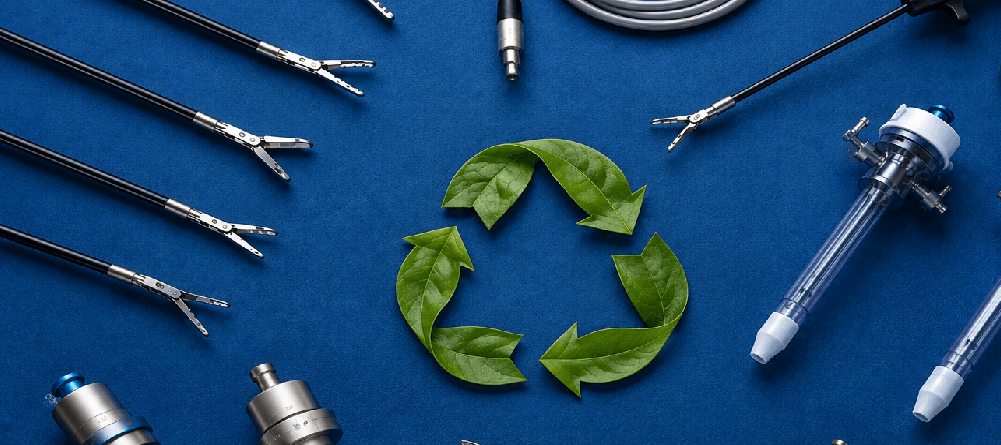
For many years, disposable surgical products became the preferred choice across several healthcare environments. Single-use instruments were often associated with convenience, sterility assurance, and simplified inventory management. But over the last few years, a noticeable shift has started taking place inside hospitals and surgical centers worldwide.
Reusable laparoscopic instruments are gaining attention again.
This change is not happening because hospitals want to move backward technologically. In fact, the opposite is true. Modern reusable instruments have improved significantly in terms of precision, durability, ergonomics, and sterilization compatibility. At the same time, hospitals are facing growing pressure to improve operational efficiency, reduce unnecessary expenditure, and build more sustainable healthcare systems.
Global healthcare systems are also paying closer attention to sustainability and long-term operational efficiency. The World Health Organization (WHO) has highlighted the growing impact of healthcare waste and the importance of reducing unnecessary medical waste wherever clinically feasible.
As minimally invasive surgery volumes continue increasing worldwide, many hospitals are re-evaluating reusable laparoscopic systems as part of broader procurement and sustainability strategies.
As minimally invasive surgery volumes continue increasing globally, healthcare providers are beginning to reassess the long-term value of reusable surgical systems.
The Growth of Minimally Invasive Surgery Changed Procurement Priorities
Laparoscopic surgery has become standard practice across multiple specialties, including general surgery, gynecology, urology, and gastrointestinal procedures.
Hospitals now perform a much higher number of minimally invasive procedures than they did a decade ago. This increase in surgical volume has significantly affected how hospitals evaluate surgical equipment and operation theatre instruments.
Earlier procurement decisions were often driven by short-term convenience. Today, hospitals are taking a broader operational view. They are evaluating how surgical instruments perform over repeated use, how often replacement cycles occur, and how equipment affects long-term operating room costs.
This shift has increased interest in high-quality surgical instruments designed for repeated clinical use without compromising precision.
Reusable Instruments Have Improved Significantly
One reason reusable systems are becoming important again is because manufacturing quality has improved considerably.
Older reusable laparoscopic instruments sometimes developed issues after repeated sterilization cycles. Surgeons would notice stiffness in articulation, reduced jaw precision, or gradual corrosion over time. Modern manufacturing processes have changed many of these limitations.
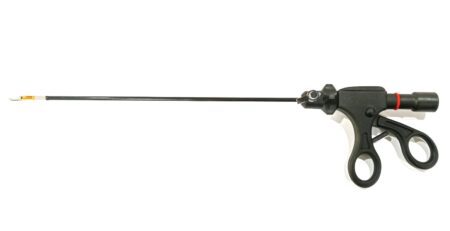
Today’s reusable laparoscopic surgical tools are designed with:
better stainless steel quality, improved passivation processes, stronger hinge engineering, and more durable insulation systems.
As a result, hospitals can now maintain precision and reliability over much longer usage cycles compared to earlier generations of reusable instruments.
This evolution has encouraged many healthcare providers to reconsider long-term reusable surgical systems more seriously.
Hospitals Are Becoming More Cost-Conscious
Healthcare systems globally are facing increasing financial pressure. Rising patient volumes, higher procedural demand, and growing operating costs have forced hospitals to evaluate procurement decisions more strategically.
Disposable instruments may appear cost-effective initially, but repeated purchasing over time can significantly increase operational expenditure.
Reusable laparoscopic instruments, when properly maintained, often provide better long-term economic value for high-volume hospitals and surgical centers.
This is especially relevant in minimally invasive procedures where certain instruments are used repeatedly across daily surgical workflows.
Hospitals are now paying closer attention to:
- instrument lifespan
- repair frequency
- sterilization durability
- replacement cycles
- workflow efficiency
The discussion is gradually shifting from upfront pricing to total lifecycle value.
Environmental Concerns Are Influencing Procurement Decisions
Sustainability has become an increasingly important conversation within healthcare systems.
Operating rooms generate substantial medical waste, particularly from disposable surgical products and packaging materials. Many hospitals are now evaluating how procurement strategies affect long-term environmental impact.
Reusable surgical systems help reduce: single-use waste generation, repeated packaging disposal, and continuous manufacturing demand associated with high-volume disposable consumption.
While sustainability alone may not drive procurement decisions, it is becoming an important secondary factor for many healthcare institutions.
Precision Still Remains the Priority
Despite growing interest in reusability, surgeons still prioritize precision above everything else.
No hospital wants to reduce costs at the expense of surgical performance.
This is why reusable laparoscopic instruments are only gaining renewed importance because modern manufacturing standards have improved significantly.
Today’s precision surgical tools are expected to maintain: stable articulation, smooth jaw movement, reliable tissue handling, and ergonomic consistency even after repeated sterilization cycles.
Surgeons now evaluate reusable instruments very critically. Any inconsistency in grip control, articulation smoothness, or jaw alignment becomes immediately noticeable during minimally invasive procedures.
This has encouraged surgical instruments manufacturers in India and global manufacturers to focus more heavily on long-term durability alongside surgical precision.
Repeated Sterilization Is No Longer Viewed as a Weakness
One of the historical concerns around reusable laparoscopic instruments involved repeated sterilization exposure.
Over time, lower-quality instruments would often develop:
- hinge stiffness
- surface wear
- corrosion
- insulation damage
- reduced articulation precision
Modern manufacturing standards have improved this significantly.
Hospitals now increasingly source from certified surgical equipment supplier companies and CE-certified surgical devices manufacturers that follow stricter quality control systems and durability testing.
High-quality reusable instruments are now expected to withstand repeated sterilization cycles while maintaining consistent surgical performance.
Reusable Systems Improve Familiarity in Operating Rooms
Another reason hospitals continue investing in reusable systems is procedural familiarity.
Surgeons often perform better when working with instruments they know well. Consistency in grip feel, articulation response, and movement behavior helps create a smoother surgical workflow.
Disposable instruments sometimes vary slightly between batches or manufacturers, which may affect tactile familiarity during procedures.
Reusable systems create greater consistency across operating rooms because the same instrument sets are maintained and used repeatedly within established surgical workflows.
This becomes especially important during complex laparoscopic procedures, endourology interventions, gynecological surgery, and high-volume minimally invasive operations.
The Role of Indian Manufacturers in Reusable Surgical Systems
India has become an increasingly important manufacturing hub for reusable minimally invasive surgical equipment.
Global healthcare providers now source from experienced medical equipment manufacturers in Delhi, and Indian surgical devices exporter companies because of growing manufacturing capability and improved compliance standards.
Hospitals increasingly expect manufacturers to provide: durable laparoscopic instruments, consistent manufacturing quality, export-ready systems, and long-term clinical reliability.
This has pushed many top surgical manufacturers to invest more heavily in precision engineering and material quality.
Reusable Systems Are Especially Important in Urology and Gynecology
Specialties such as urology and gynecology rely heavily on precision-driven minimally invasive surgery tools.
Modern urology surgical instruments, gynecology surgical instruments, and endoscopic urology systems often require:
stable articulation, controlled movement, repeated sterilization compatibility, and consistent procedural response.
This has increased demand for reusable systems capable of maintaining performance across long-term clinical use.
Hospitals sourcing from experienced urology equipment manufacturers in India increasingly evaluate not only product pricing, but also instrument longevity and workflow consistency.
The Future Will Likely Be Hybrid
Healthcare systems are unlikely to move entirely toward either reusable or disposable instruments alone.
The future will likely involve hybrid procurement models where hospitals balance:
reusable laparoscopic systems, disposable consumables, specialty single-use products, and high-precision reusable surgical devices depending on clinical requirements.
The key difference is that hospitals are now evaluating these decisions far more strategically than before.
Procurement teams increasingly focus on long-term operational value rather than short-term convenience alone.
Conclusion
Reusability is becoming important again in laparoscopic surgery because hospitals are reassessing what truly matters in long-term surgical performance.
Modern reusable laparoscopic instruments now offer significantly better precision, durability, sterilization compatibility, and workflow consistency than earlier generations of reusable systems.
As minimally invasive surgery volumes continue growing globally, healthcare providers are increasingly prioritizing long-term reliability, operational efficiency, and sustainable procurement strategies.
This shift is creating growing demand for experienced laparoscopic equipment suppliers in India, and certified surgical equipment supplier companies capable of delivering reusable surgical systems designed for modern operating room environments.





Leave a Reply