
Published by Pulse | Medical Device Insights
Transurethral resection of the prostate (TURP) remains one of the most commonly performed urological procedures for benign prostatic hyperplasia (BPH). Over the last decade, bipolar TURP systems using normal saline irrigation have steadily replaced older monopolar setups in many hospitals — but not every bipolar machine on the market is built the same way. This guide walks through what actually matters when evaluating a bipolar TURP machine for your operating theatre.
Why Hospitals Are Moving to Bipolar TURP
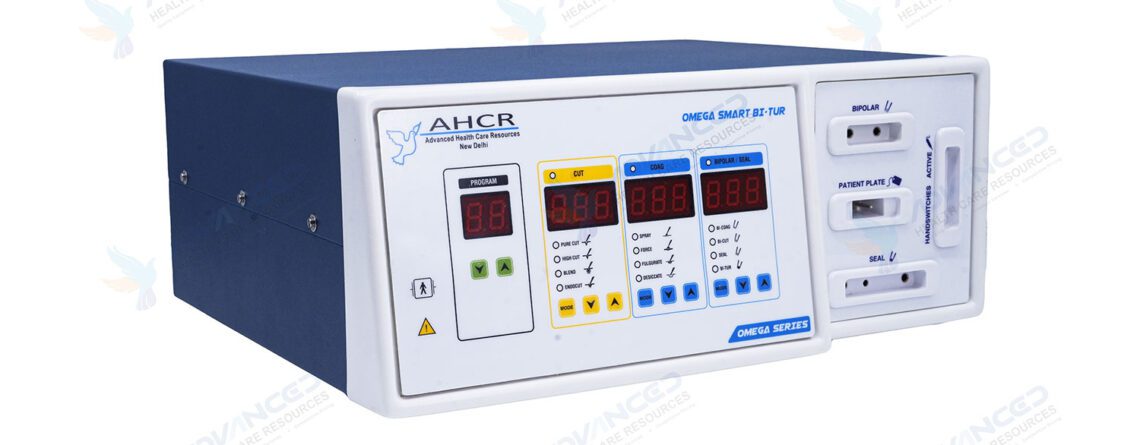
Traditional monopolar TURP requires non-conductive irrigation fluids like glycine, which carry a risk of TUR syndrome — a potentially serious complication caused by fluid absorption and electrolyte imbalance. Bipolar systems solve this by allowing the use of normal saline, a conductive, physiologically compatible fluid. This single change is the main reason bipolar platforms, such as a 400W Bi-TUR system, have become the preferred choice in modern urology departments.
Beyond safety, bipolar TURP also tends to offer longer, uninterrupted resection times and more predictable hemostasis, which can shorten OT time per case. But realizing these benefits depends heavily on the specific machine you choose.
1. Power Output and Generator Wattage
Wattage determines how effectively the generator can cut and coagulate tissue, especially for larger prostate volumes. Machines in the 300W–400W range are generally suited for hospitals handling a full spectrum of BPH cases, including larger glands that need extended resection time.
- Lower-wattage systems (under 200W) may struggle with larger glands or dense fibrous tissue.
- Higher-wattage systems like 400W platforms allow surgeons to adjust cut and coagulation settings independently for finer control.
- Ask for the generator’s continuous duty cycle — not just peak output — since sustained performance matters more during longer resections.
2. Normal Saline Compatibility
Not every “bipolar” machine is optimized the same way for saline. Confirm that the system is specifically designed and validated for continuous normal saline irrigation, not just technically compatible with it. Poorly matched impedance settings can lead to inconsistent cutting performance or excess char formation at the resection site.
Ask the manufacturer for documentation on saline-specific impedance calibration and whether the system auto-adjusts output based on tissue and fluid conductivity.
3. Safety Features and Cut-Off Mechanisms
Safety circuitry is one of the most important — and most overlooked — differentiators between bipolar TURP machines. Look for:
- Automatic power cut-off if electrode contact is lost or tissue impedance changes abnormally
- Return electrode monitoring (even though bipolar systems don’t need a separate patient return pad, internal circuit monitoring still matters)
- Audible and visual alarms for abnormal current flow
- Fault logging for biomedical engineering review
4. Electrode and Resectoscope Compatibility
Confirm what range of bipolar loops, buttons, and vaporization electrodes the generator supports, and whether it’s compatible with the resectoscopes your surgeons already use. Switching to a system with a narrow or proprietary electrode range can significantly increase long-term consumable costs.
5. Console Ergonomics and Ease of Use
During a resection, surgeons need to make quick adjustments without looking away from the endoscopic view for long. Evaluate:
- Footswitch responsiveness and layout
- Console display clarity (wattage, mode, fluid flow indicators)
- Preset programs for different tissue types or surgeon preferences
- Noise level of alarms and tone feedback during cutting/coagulation
6. Service, Spares, and After-Sales Support
A bipolar TURP generator is a long-term capital asset, and OT downtime is expensive. Before purchasing, ask the supplier:
- What is the average response time for service calls in your region?
- Are spare parts (footswitches, cables, connectors) stocked locally or imported on demand?
- What does the standard warranty cover, and what’s the cost of an extended AMC?
- Is remote diagnostic support available for troubleshooting generator faults?
7. Total Cost of Ownership
The upfront machine cost is only part of the equation. Total cost of ownership includes:
- Electrode and consumable pricing over the machine’s lifetime
- AMC/CMC costs after warranty expiry
- Downtime costs if service response is slow
- Training costs for OT staff and biomedical engineers
Quick Buying Checklist
- ✅ Generator wattage matches your typical case load (300–400W recommended for general urology departments)
- ✅ Validated for continuous normal saline irrigation
- ✅ Automatic safety cut-off and fault alarms included
- ✅ Broad electrode/resectoscope compatibility
- ✅ Clear console display and responsive footswitch
- ✅ Documented local service network and spare parts availability
- ✅ Transparent AMC pricing post-warranty
For a full specification breakdown of a 400W platform, see our page on the 400W Bi-TUR Normal Saline Bipolar TURP system.
FAQs
Is bipolar TURP safer than monopolar TURP?
Bipolar TURP is generally considered safer with respect to TUR syndrome risk, since it uses normal saline instead of hypotonic irrigation fluids. Clinical outcomes still depend on surgeon experience and case selection.
What wattage is best for a bipolar TURP machine?
Most general urology departments are well served by systems in the 300–400W range, which handle both smaller and larger prostate volumes without needing separate equipment for different case sizes.
Can bipolar TURP machines be used with existing resectoscopes?
This depends on the electrode and connector standard. Always confirm compatibility with your current resectoscope inventory before purchasing a new generator.
How long does a bipolar TURP generator typically last?
With proper maintenance and a good AMC in place, most bipolar generators have a functional lifespan of 8–10 years, though this varies by usage volume and build quality.









Leave a Reply