

Lithotripsy machine prices in India vary significantly depending on the technology, configuration, accessories, manufacturer, and after-sales support included with the equipment. Hospitals and urology departments may evaluate different types of lithotripsy systems, including extracorporeal shock wave lithotripsy (ESWL) machines, pneumatic lithotripters, and laser-based systems, each designed for different treatment approaches and clinical requirements.
Understanding the cost of a lithotripsy machine in India requires more than comparing the initial equipment price. The final investment can also depend on the machine’s configuration, handpieces and probes, compressor requirements, accessories, installation, warranty, technical support, and long-term maintenance.
In this guide, we explain the types of lithotripsy machines, the factors that influence lithotripsy machine cost in India, what hospitals should evaluate before purchasing, and the differences between major lithotripsy technologies. We also look at pneumatic lithotripsy equipment, including the Pulselith Pneumatic Lithotripter, for hospitals and urology centres evaluating equipment for intracorporeal stone fragmentation procedures.
Whether you are comparing lithotripsy machine prices in India, evaluating equipment for URS or PCNL, or preparing a procurement specification, understanding the technology and total cost of ownership can help you make a more informed purchasing decision.
Types of Lithotripsy Machines
Lithotripsy equipment uses different energy sources and treatment approaches to fragment urinary stones. The right system depends on the procedure, stone characteristics, existing urology equipment, and the hospital’s clinical and procurement requirements. The main types of lithotripsy equipment include extracorporeal shock wave lithotripsy (ESWL) machines, pneumatic lithotripters, and laser lithotripsy systems.
1. Extracorporeal Shock Wave Lithotripsy (ESWL) Machines
ESWL machines use focused shock waves generated outside the patient’s body to fragment urinary stones. Because the energy is delivered extracorporeally, ESWL systems have a substantially different configuration from intracorporeal lithotripsy equipment.
When evaluating an ESWL system, hospitals may need to consider factors such as the shock-wave generation technology, imaging and stone-localization capabilities, treatment configuration, service requirements, and availability of technical support. These factors can significantly affect the overall ESWL machine price in India.
2. Pneumatic Lithotripters
Pneumatic lithotripters are intracorporeal stone-fragmentation systems commonly used with endourological procedures. They use mechanical or ballistic energy delivered through a probe to fragment urinary stones.
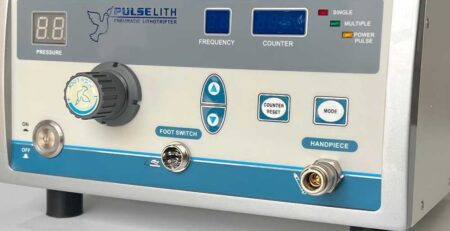
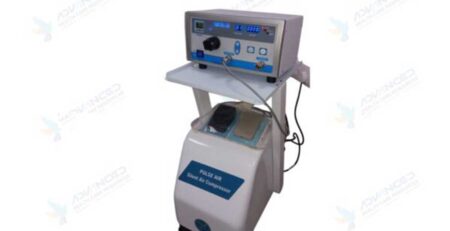
A pneumatic lithotripter configuration may include a generator, handpiece, probes, footswitch, and other accessories. Depending on the system, a dedicated air compressor may also form part of the configuration. Therefore, when comparing a pneumatic lithotripter price, it is important to determine exactly which components and accessories are included in the quotation.
The pneumatic lithotripter range from Pulselith can be evaluated for applications where intracorporeal pneumatic lithotripsy equipment is required.
3. Laser Lithotripsy Systems
Laser lithotripsy systems use laser energy to fragment urinary stones during endoscopic procedures. A typical system may involve a laser generator and compatible laser fibers and accessories.
The overall cost of a laser lithotripsy system can depend on the laser technology, power configuration, fiber requirements, accessories, service arrangements, and other procurement considerations. For this reason, laser lithotripsy machine cost in India can vary considerably between different systems and configurations.
Lithotripsy Machine Types: Key Differences
| Lithotripsy technology | General approach | Key equipment considerations |
|---|---|---|
| ESWL | Extracorporeal stone fragmentation using focused shock waves | Shock-wave technology, imaging, stone localization, system configuration, service and maintenance |
| Pneumatic lithotripsy | Intracorporeal mechanical stone fragmentation | Generator, handpiece, probes, compressor where applicable, accessories and service support |
| Laser lithotripsy | Intracorporeal stone fragmentation using laser energy | Laser source, power configuration, fibers, accessories, maintenance and technical support |
These technologies should not be compared on purchase price alone. The appropriate equipment depends on the procedures the hospital performs, the required configuration, compatibility with existing equipment, accessories, service support, and the expected long-term cost of ownership.
What Determines Lithotripsy Machine Price in India?
The price of a lithotripsy machine in India depends on much more than the main equipment unit. Different lithotripsy technologies, configurations, accessories, and service arrangements can result in significant differences in the final quotation. Hospitals should therefore compare the complete equipment configuration rather than relying only on the initial purchase price.
1. Lithotripsy Technology
The technology used for stone fragmentation is one of the biggest factors affecting equipment cost. ESWL machines, pneumatic lithotripters, and laser lithotripsy systems use different energy sources and require different supporting components. Their purchase prices and operating requirements can therefore vary considerably.
2. Equipment Configuration
A basic equipment configuration may cost less than a system supplied with additional handpieces, probes, accessories, or supporting equipment. Before comparing quotations, hospitals should confirm exactly what is included in each configuration.
For pneumatic systems, for example, the configuration may include a generator, handpiece, footswitch, probes, and an air compressor, depending on the model. A pneumatic lithotripter price should therefore always be evaluated against the complete list of supplied components.
3. Probes and Accessories
Accessories can have a meaningful impact on the overall procurement cost. Pneumatic lithotripters may require probes in different sizes, while other lithotripsy technologies may require specialized fibers, handpieces, cables, or treatment accessories.
Hospitals should check whether commonly required accessories are included in the quoted price or need to be purchased separately. This helps avoid comparing a basic equipment price with a fully configured system.
4. Compressor and Supporting Equipment
Some pneumatic lithotripter configurations require a dedicated air compressor. The type and capacity of the compressor, whether it is included with the system, and the associated accessories can affect the final procurement cost.
When comparing a pneumatic lithotripter with compressor, buyers should evaluate the complete package rather than comparing the compressor configuration with a standalone lithotripter.
5. Manufacturer and Product Quality
The manufacturer, manufacturing standards, quality-control processes, product design, and documentation can also influence equipment pricing. Hospitals should consider the manufacturer’s experience with medical devices, quality certifications, technical documentation, and ability to provide product support.
A lower initial price does not necessarily represent a lower overall cost if the equipment requires frequent servicing, replacement parts, or additional accessories that were not included in the original quotation.
6. Warranty and After-Sales Support
Warranty coverage and technical support are important components of the total cost of ownership. Buyers should check the warranty period, service coverage, availability of spare parts, response times, installation support, and technical assistance offered by the supplier or manufacturer.
7. Installation, Training, and Commissioning
Depending on the type of lithotripsy equipment, the purchase may involve installation, commissioning, operator training, or technical orientation. If these services are required, hospitals should confirm whether they are included in the quotation or billed separately.
8. Customization and Procurement Requirements
Hospitals, surgical centres, distributors, and institutional buyers may have different equipment requirements. A quotation may therefore change according to the requested configuration, quantity, accessories, documentation, packaging, delivery requirements, and other procurement specifications.
9. Long-Term Cost of Ownership
The purchase price is only one part of the total investment. Hospitals should also consider maintenance, consumables, replacement accessories, spare parts, servicing, training, and expected equipment life when evaluating the cost of a lithotripsy machine.
Comparing these factors helps procurement teams determine the actual value of a system rather than selecting equipment solely based on the lowest initial price.
What Is Included in a Lithotripsy Machine Price?
When comparing lithotripsy machine prices in India, it is important to look beyond the headline equipment cost. Two quotations may show significantly different prices because the supplied configurations, accessories, installation services, warranty coverage, and technical support are not the same.
Before selecting a system, hospitals and procurement teams should request a detailed quotation that clearly identifies the equipment and services included.
Main Equipment Unit
The quotation should clearly identify the lithotripsy system being supplied, including the manufacturer, model, technology, and configuration. This is particularly important when comparing pneumatic lithotripters with ESWL or laser-based systems, as their specifications and supporting equipment can differ substantially.
Handpiece and Probes
For a pneumatic lithotripter, the handpiece and compatible probes are important components of the working configuration. Buyers should confirm the number, type, and sizes of probes included and whether additional probes are available separately.
Understanding the supplied probe configuration is also important when evaluating the suitability of a pneumatic lithotripter for different urological procedures.
Air Compressor
Depending on the pneumatic lithotripter configuration, an air compressor may be supplied as part of the system or specified separately. If a compressor is required, the quotation should clearly state whether it is included and identify the relevant specifications.
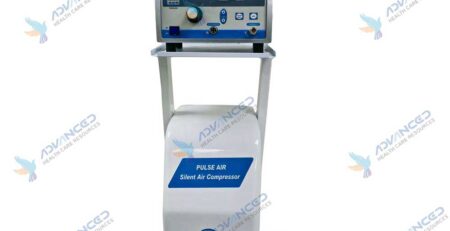
For example, the Pulselith Pneumatic Lithotripter with Pulse Silent Air Compressor is a configuration designed to combine the lithotripter with its supporting compressor equipment.
Footswitch and Other Accessories
Accessories such as footswitches, connecting components, cables, carrying cases, and other supplied items can form part of the overall equipment package. Buyers should request a complete accessory list rather than assuming that every item shown in product images is included in the quoted price.
Installation and Commissioning
Depending on the equipment and procurement arrangement, installation or commissioning support may be included. Confirm whether installation is included in the quotation and whether any site requirements need to be completed before the equipment is delivered.
Training and Technical Support
Hospitals may also require product orientation, technical training, or installation assistance. The quotation should clarify what level of training and technical support is provided and whether additional training is available when required.
Warranty and Service Coverage
Warranty terms can have a significant impact on the overall value of a lithotripsy system. Before purchasing, confirm the warranty duration, covered components, exclusions, service arrangements, and availability of replacement parts.
Delivery and Documentation
The final procurement cost can also depend on delivery location, packaging, documentation, and other logistical requirements. Buyers should ensure that the quotation clearly specifies delivery terms and the technical and regulatory documents supplied with the equipment.
Use a Complete Configuration Checklist
A useful way to compare lithotripsy machine cost is to evaluate every quotation against the same checklist:
- Main equipment and model
- Technology and configuration
- Handpiece and probes
- Compressor, where applicable
- Accessories and consumables
- Installation and commissioning
- Training and technical support
- Warranty coverage
- Spare parts and service availability
- Delivery and documentation
Comparing quotations on these factors gives procurement teams a more accurate understanding of the actual investment and helps avoid unexpected costs after purchase.
How to Choose a Lithotripsy Machine for a Hospital
Choosing a lithotripsy machine should involve more than comparing the lowest available price. Hospitals and urology centres need to consider the procedures they perform, the type of lithotripsy technology required, equipment configuration, compatibility with existing systems, accessories, service support, and long-term operating requirements.
The following factors can help procurement teams evaluate different lithotripsy machines more effectively.
1. Identify the Procedures You Need to Support
Start by identifying the procedures for which the equipment will be used. For example, hospitals performing endourological procedures may evaluate intracorporeal lithotripsy systems for procedures such as ureteroscopy (URS) and percutaneous nephrolithotomy (PCNL).
Facilities using extracorporeal treatment may have different requirements for an ESWL machine. Defining the intended applications first helps narrow the equipment options and prevents purchasing a system that does not match the department’s requirements.
2. Select the Appropriate Lithotripsy Technology
Different technologies are designed around different treatment approaches. Pneumatic lithotripters use mechanical energy, ESWL systems use externally generated shock waves, and laser systems use laser energy for intracorporeal stone fragmentation.
When comparing technologies, consider the procedures performed at your facility, existing equipment, infrastructure requirements, operator familiarity, accessories, maintenance requirements, and availability of technical support.
3. Evaluate the Complete Equipment Configuration
Do not compare lithotripsy machines solely by the main unit. Review the complete configuration, including handpieces, probes, compressors where applicable, footswitches, cables, accessories, and other supplied components.
A detailed configuration list makes it easier to compare quotations from different manufacturers and identify additional equipment that may be required after purchase.
4. Check Compatibility With Existing Equipment
Before purchasing, confirm that the lithotripsy system and its accessories are appropriate for the hospital’s existing urology and endoscopy setup. Compatibility requirements may include instruments, connections, probes, accessories, power requirements, and supporting equipment.
This is particularly important when adding a new lithotripsy system to an established stone-management or endourology department.
5. Evaluate Product Specifications
Review the manufacturer’s technical specifications carefully rather than relying only on general product descriptions. Depending on the technology, relevant specifications may include energy output, operating modes, probe compatibility, compressor requirements, control functions, dimensions, power requirements, and supplied accessories.
Ask the manufacturer or supplier for a complete technical datasheet when specifications are not clearly available online.
6. Consider Quality and Regulatory Documentation
Medical equipment procurement should include a review of the manufacturer’s quality systems and applicable product documentation. Depending on the product and market, buyers may need to evaluate certifications, declarations, quality-management documentation, technical files, instructions for use, and other regulatory information.
Request the relevant documentation from the manufacturer before finalizing a purchase, particularly when the equipment will be used in a hospital or institutional setting.
7. Compare Warranty and After-Sales Support
A lithotripsy machine is a medical device that may require ongoing technical support. Compare warranty coverage, service availability, spare-parts support, maintenance arrangements, response times, and technical assistance when evaluating manufacturers.
A supplier offering a lower initial price may not necessarily provide the best overall value if service and replacement-part support are limited.
8. Consider Total Cost of Ownership
The purchase price is only one part of the overall investment. Procurement teams should also consider installation, training, maintenance, accessories, replacement parts, consumables, service, and other operating costs over the expected life of the equipment.
Evaluating the total cost of ownership provides a more useful basis for comparing lithotripsy machines than looking at the initial price alone.
9. Evaluate the Manufacturer’s Experience
Consider the manufacturer’s experience in producing medical and urology equipment, manufacturing capabilities, quality-control processes, product documentation, export experience, and technical support infrastructure.
For hospitals purchasing directly from a manufacturer, these factors can be particularly important when establishing a long-term equipment and service relationship.
10. Request a Detailed Quotation Before Purchasing
Once the required configuration has been identified, request a detailed quotation that clearly lists the equipment, accessories, warranty, delivery terms, installation, training, and other applicable services.
Comparing detailed quotations on an equivalent configuration provides a much more reliable basis for determining the actual cost of a lithotripsy machine.
Pneumatic Lithotripter for URS and PCNL
Pneumatic lithotripters are one type of intracorporeal lithotripsy equipment used in endourological stone-management procedures. Hospitals evaluating pneumatic systems should consider the equipment configuration, compatible probes, accessories, compressor requirements where applicable, and service support.
Pneumatic lithotripters may be used as part of equipment setups for procedures such as URS and PCNL, depending on the clinical workflow and product configuration.
For buyers specifically evaluating pneumatic lithotripter equipment and pricing, see our Pneumatic Lithotripter Price in India guide.
Pulselith Pneumatic Lithotripter
For hospitals evaluating intracorporeal pneumatic lithotripsy equipment, the Pulselith Pneumatic Lithotripter is one option to consider. Buyers can review the product specifications, configuration and available accessories before requesting a quotation.
For detailed information about pneumatic lithotripter pricing and the factors that affect the cost of a pneumatic system, see our pneumatic lithotripter price guide.
Request a Pneumatic Lithotripter Quote
Pneumatic vs. Laser vs. ESWL Lithotripsy: Key Differences
Hospitals evaluating lithotripsy equipment may encounter several technologies, including pneumatic lithotripsy, laser lithotripsy, and extracorporeal shock wave lithotripsy (ESWL). These technologies use different mechanisms and equipment configurations, so their purchase requirements and operating considerations are not directly interchangeable.
Understanding the basic differences can help procurement teams identify which type of equipment best fits their existing urology setup and the procedures performed at their facility.
Pneumatic Lithotripsy
Pneumatic lithotripters use mechanical or ballistic energy delivered through a probe to fragment urinary stones. Because the system is used for intracorporeal lithotripsy, it is generally evaluated alongside the endourological equipment used for procedures such as URS and PCNL.
When purchasing a pneumatic lithotripter, buyers should evaluate the generator, handpiece, compatible probes, compressor requirements where applicable, accessories, warranty, and technical support.
See the Pulselith Pneumatic Lithotripter for product specifications and configuration information.
Laser Lithotripsy
Laser lithotripsy uses laser energy to fragment urinary stones during intracorporeal endoscopic procedures. A laser system typically involves a laser generator together with compatible fibers and supporting accessories.
The procurement cost can depend on the laser source, power configuration, fiber requirements, accessories, service arrangements, and other technical specifications. Hospitals evaluating laser equipment should therefore compare the complete system configuration rather than the generator price alone.
ESWL
Extracorporeal shock wave lithotripsy (ESWL) uses focused shock waves generated outside the body to fragment urinary stones. Unlike pneumatic and laser lithotripsy, ESWL is an extracorporeal treatment approach and requires a different equipment configuration.
When evaluating an ESWL system, hospitals may need to consider shock-wave technology, imaging and stone-localization capabilities, treatment configuration, installation requirements, service support, and maintenance.
Comparison of Lithotripsy Technologies
| Factor | Pneumatic Lithotripsy | Laser Lithotripsy | ESWL |
|---|---|---|---|
| Approach | Intracorporeal | Intracorporeal | Extracorporeal |
| Energy source | Mechanical or ballistic energy | Laser energy | Focused shock waves |
| Typical equipment | Generator, handpiece, probes and related accessories | Laser generator, fibers and related accessories | Shock-wave system with imaging and stone-localization components |
| Key procurement considerations | Probe compatibility, compressor requirements, accessories and service | Laser configuration, fiber requirements, accessories and service | Imaging, shock-wave technology, system configuration and maintenance |
Which Lithotripsy Technology Should a Hospital Choose?
There is no single lithotripsy technology that is appropriate for every facility. The selection should be based on the procedures performed, existing equipment, infrastructure, clinical workflow, operator requirements, equipment availability, service support, and procurement budget.
For hospitals evaluating intracorporeal pneumatic lithotripsy equipment, it is useful to compare the complete configuration and long-term support available from the manufacturer rather than focusing only on the initial lithotripsy machine price.
If you are evaluating a pneumatic lithotripter for your urology department, you can view the Pulselith Pneumatic Lithotripter or contact the team for product specifications and a quotation.
Total Cost of Ownership of a Lithotripsy Machine
The initial purchase price is only one part of the overall investment in lithotripsy equipment. Hospitals should also consider the ongoing costs associated with accessories, maintenance, service, replacement parts, training, and equipment support. Evaluating the total cost of ownership can provide a more realistic basis for comparing lithotripsy machines from different manufacturers.
Equipment and Accessories
The initial investment may include the main lithotripsy unit, handpiece, probes, compressor where applicable, footswitch, cables, carrying case, and other accessories. Buyers should confirm which components are included in the quoted configuration and which may need to be purchased separately.
Replacement Probes and Accessories
For pneumatic lithotripters, probes and other accessories may require replacement over the working life of the equipment. Their availability, compatibility, expected service life, and replacement cost should therefore be considered when evaluating the overall value of a system.
Maintenance and Servicing
Regular maintenance can help keep medical equipment operating reliably. Procurement teams should understand the manufacturer’s recommended maintenance schedule, service arrangements, availability of trained technicians, and procedures for handling equipment issues.
Spare Parts Availability
Access to genuine replacement parts can affect both equipment uptime and long-term operating costs. Before purchasing a lithotripsy machine, ask the manufacturer about spare-parts availability, expected lead times, and technical support after the warranty period.
Warranty Coverage
A comprehensive warranty can reduce the financial risk associated with unexpected equipment issues during the initial period of use. Compare warranty duration, covered components, exclusions, service arrangements, and the process for requesting warranty support.
Installation and Training
Installation, commissioning, and operator training may form part of the initial procurement arrangement or may be quoted separately. Understanding these requirements before purchase helps hospitals calculate the actual cost of implementing the equipment.
Downtime and Service Response
Equipment downtime can affect procedure scheduling and departmental efficiency. When comparing manufacturers, consider the availability of technical assistance, service response times, spare parts, and remote or on-site support where applicable.
How to Compare the Total Cost
A practical comparison should consider the complete ownership cost rather than the initial equipment price alone. Hospitals can evaluate each quotation using the following factors:
- Initial equipment and configuration cost
- Included probes and accessories
- Compressor and supporting equipment, where applicable
- Installation and commissioning
- Training and technical support
- Warranty coverage
- Maintenance requirements
- Replacement probes and accessories
- Spare-parts availability
- Expected service and support costs
This approach helps procurement teams identify the equipment configuration that provides the best overall value for their requirements rather than simply selecting the machine with the lowest initial price.
Why Consider an Indian Manufacturer for Lithotripsy Equipment?
Hospitals and medical-equipment buyers evaluating lithotripsy machines in India may consider both domestic manufacturers and international suppliers. The right choice depends on the equipment specification, product quality, regulatory documentation, service capabilities, delivery requirements, and long-term support available for the system.
Working with an established Indian medical-device manufacturer can offer practical advantages for hospitals and distributors that require local technical support, product documentation, spare parts, and communication with the manufacturer.
Local Product and Technical Support
Direct access to a manufacturer can make it easier to discuss equipment specifications, configuration requirements, accessories, and technical questions before and after purchase. Local support can also simplify communication when equipment requires servicing or replacement components.
Access to Product Configurations and Accessories
Different hospitals may require different lithotripsy equipment configurations. An Indian manufacturer may be able to discuss available configurations, compatible accessories, probes, compressors, and other components based on the buyer’s requirements.
For pneumatic lithotripsy equipment, this can be particularly relevant when hospitals need specific probe configurations or supporting equipment for their existing urology setup.
Documentation and Procurement Support
Medical-device procurement often requires technical specifications, product documentation, certifications, warranty information, and other records. Buyers should confirm that the manufacturer can provide the documentation required for their procurement and regulatory processes.
Spare Parts and After-Sales Service
Long-term equipment support is an important consideration when purchasing a lithotripsy machine. Before selecting a manufacturer, buyers should evaluate the availability of spare parts, service support, warranty coverage, maintenance assistance, and technical communication.
Export and International Supply
Indian medical-device manufacturers may also supply equipment to international hospitals, distributors, and healthcare organizations. Buyers outside India should evaluate the manufacturer’s export experience, documentation, packaging, delivery arrangements, and ability to support the destination market.
What Buyers Should Verify Before Selecting a Manufacturer
Regardless of whether the equipment is purchased from an Indian or international manufacturer, buyers should verify:
- Manufacturer and product information
- Technical specifications
- Applicable quality and regulatory documentation
- Product configuration and included accessories
- Warranty terms
- Spare-parts availability
- After-sales and technical support
- Installation and training arrangements
- Delivery and documentation requirements
- References or other verifiable manufacturer credentials where available
For hospitals comparing lithotripsy machine prices in India, evaluating these factors alongside the equipment quotation provides a more complete picture of the manufacturer’s overall value and support capabilities.
Learn more about AHCR and its medical-device manufacturing capabilities
Lithotripsy Machine Buying Checklist for Hospitals
Before purchasing a lithotripsy machine, hospitals and urology centres should evaluate the complete equipment package, technical requirements, service support, and long-term ownership costs. A structured checklist can help procurement teams compare different manufacturers and avoid overlooking important components.
Product and Technical Specifications
- Confirm the lithotripsy technology and intended application.
- Review the complete technical specifications of the equipment.
- Check the generator, handpiece, probes, operating controls, and other core components.
- Confirm probe sizes, compatibility, and availability of replacement probes for pneumatic systems.
- Check compressor requirements and specifications where applicable.
- Verify power, installation, space, and infrastructure requirements.
Configuration and Accessories
- Request a complete list of components included in the quotation.
- Confirm whether probes, handpieces, footswitches, cables, and other accessories are included.
- Identify components that must be purchased separately.
- Check the availability and cost of replacement accessories.
- Confirm compatibility with the hospital’s existing urology and endoscopy equipment.
Quality and Documentation
- Verify the manufacturer’s company and product information.
- Request the applicable quality and regulatory documentation.
- Review the product technical datasheet and instructions for use.
- Confirm warranty terms and coverage.
- Ask about product traceability and documentation supplied with the equipment.
Service and After-Sales Support
- Confirm the warranty period and covered components.
- Ask about installation and commissioning support.
- Check whether operator or technical training is available.
- Verify spare-parts availability and expected lead times.
- Understand the process for requesting technical service.
- Ask about preventive maintenance and servicing requirements.
Commercial and Delivery Requirements
- Request a detailed quotation for the exact required configuration.
- Confirm delivery timelines and shipping terms.
- Check whether installation, training, and other services are included.
- Confirm applicable taxes, shipping charges, and other procurement costs.
- For international purchases, verify export documentation and destination-market requirements.
Compare Total Value, Not Just Purchase Price
When comparing quotations, ask each manufacturer to quote the same equipment configuration and list all included accessories, warranty, installation, training and service terms. This makes it easier to compare the actual value of each option.
A more useful comparison considers the equipment configuration, included accessories, warranty, service support, spare-parts availability, maintenance requirements, and expected operating life.
Before making a purchasing decision, ask each manufacturer or supplier to provide comparable information for the same equipment configuration. This makes it easier to identify the actual differences between quotations and select equipment that meets the hospital’s technical and operational requirements.
For buyers evaluating a pneumatic system, you can also review the Pulselith Pneumatic Lithotripter and its available configuration and specification details.
Frequently Asked Questions About Lithotripsy Machine Price
What is the price of a lithotripsy machine in India?
The price of a lithotripsy machine in India varies according to the technology, equipment configuration, accessories, manufacturer, warranty, service support, and procurement requirements. ESWL machines, pneumatic lithotripters, and laser lithotripsy systems can have substantially different pricing structures. For an accurate price, buyers should request a quotation based on the required configuration.
If you are specifically evaluating a pneumatic lithotripter, see our Pneumatic Lithotripter Price in India guide.
What factors affect lithotripsy machine cost?
Major factors include the lithotripsy technology, equipment configuration, handpiece and probes, compressor requirements, accessories, installation, training, warranty, maintenance, spare parts, and after-sales support. The final cost should therefore be evaluated using the complete equipment configuration rather than the main unit alone.
What is the difference between a pneumatic lithotripter and an ESWL machine?
A pneumatic lithotripter is an intracorporeal system that uses mechanical or ballistic energy to fragment stones through a compatible probe. An ESWL machine uses focused shock waves generated outside the body to fragment urinary stones. The two technologies have different equipment configurations and procurement requirements.
Can a pneumatic lithotripter be used for URS and PCNL?
Pneumatic lithotripters are used in intracorporeal stone-fragmentation applications and may form part of the equipment setup for procedures such as ureteroscopy (URS) and percutaneous nephrolithotomy (PCNL). Hospitals should evaluate the specific product configuration, probe compatibility, and intended applications with the manufacturer before purchasing.
What accessories are required with a pneumatic lithotripter?
Depending on the model and configuration, a pneumatic lithotripter may include or require a generator, handpiece, probes, footswitch, connecting components, and an air compressor. Buyers should request a complete configuration and accessory list from the manufacturer to determine exactly what is included with the quotation.
What should hospitals check before buying a lithotripsy machine?
Hospitals should evaluate the intended procedures, lithotripsy technology, technical specifications, equipment configuration, accessories, compatibility with existing systems, quality and regulatory documentation, warranty, service support, spare-parts availability, installation, training, and total cost of ownership.
How can I request a quotation for a lithotripsy machine?
To request a quotation, provide the manufacturer with details about the required lithotripsy technology, intended application, configuration, accessories, quantity, and delivery location. For the Pulselith Pneumatic Lithotripter, you can contact the AHCR team for product specifications and a quotation.
Choose the Right Lithotripsy Equipment for Your Facility
Choosing a lithotripsy machine is a long-term equipment decision, so the initial purchase price should be evaluated alongside the technology, configuration, accessories, warranty, service support, and total cost of ownership. A detailed comparison of these factors can help hospitals and urology centres select equipment that fits their procedures, infrastructure, and procurement requirements.
For facilities evaluating intracorporeal stone-fragmentation equipment, a pneumatic lithotripter can be considered as part of an endourology setup for applications such as URS and PCNL. The required configuration may vary depending on the hospital’s equipment, procedures, and accessory requirements.
AHCR manufactures and supplies medical and surgical equipment, including the Pulselith Pneumatic Lithotripter. Buyers can review the product specifications, available configurations, and accessories before requesting a quotation based on their specific requirements.
If you are comparing lithotripsy machine prices in India or looking for a pneumatic lithotripter for your hospital or urology centre, contact the AHCR team to discuss your equipment requirements.




Leave a Reply