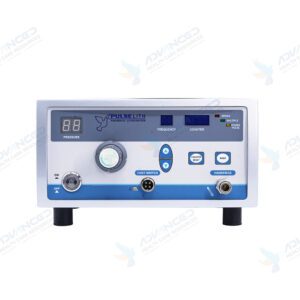
PULSELITH PNEUMATIC LITHOTRIPTER
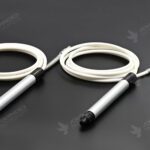
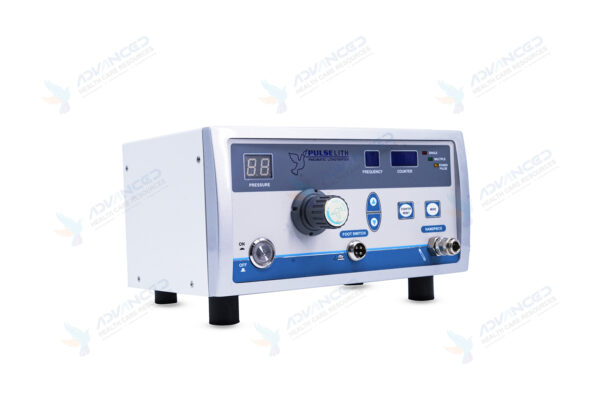
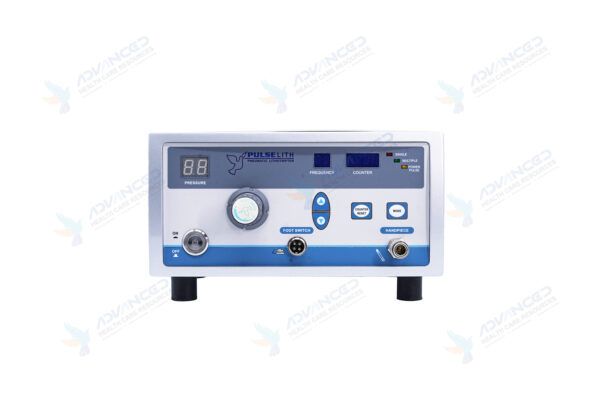
The Pulselith Pneumatic Lithotripter is an intracorporeal pneumatic lithotripsy system designed for urinary stone fragmentation during ureteroscopy (URS) and percutaneous nephrolithotomy (PCNL). Manufactured in India by AHCR, the system uses compressed air or oxygen to deliver controlled mechanical pulses through compatible lithotripsy probes.
Designed for hospitals, urology centres, surgical facilities, and medical-device distributors, Pulselith provides multiple operating modes and probe configurations for different stone-management requirements. The system features Single, Multiple, and Power-Pulse modes, with a specified projectile impact frequency of 1 Hz–12 Hz and 14 Hz.
Pulselith is available with multiple probe diameters and dedicated probe lengths for URS and PCNL applications. Buyers can select the appropriate configuration based on their existing urology equipment, procedural requirements, and infrastructure.
- Description
- TECHNICAL DETAILS
Description
Key Features of the Pulselith Pneumatic Lithotripter
The Pulselith Pneumatic Lithotripter combines controlled pneumatic pulse delivery with multiple operating modes and probe configurations. Its features are designed to give hospitals flexibility when configuring the system for their stone-management workflow.
Microprocessor-Controlled Operation
The system uses microprocessor-controlled pneumatic operation to manage the delivery of projectile pulses through the connected handpiece and probe.
Multiple Pulse Modes
Pulselith provides Single, Multiple, and Power-Pulse modes, allowing the operator to select the available pulse mode according to the equipment configuration and procedural requirements.
Adjustable Projectile Impact Frequency
The specified projectile impact frequency is 1 Hz–12 Hz and 14 Hz. The system includes controls for adjusting the operating frequency during use.
Multiple Probe Diameter Options
The system supports probe diameters ranging from 0.8 mm to 2.5 mm, including 0.8 mm, 1.0 mm, 1.2 mm, 1.5 mm, 2.0 mm, and 2.5 mm options. This gives hospitals multiple probe configurations to consider for their intended applications.
Dedicated URS and PCNL Probe Lengths
Pulselith lists a 640 mm probe length for URS and a 450 mm probe length for PCNL. Hospitals should confirm the appropriate probe configuration based on their existing instruments and intended procedures.
Compressed Air or Oxygen Input
The system is specified for use with compressed air or oxygen and operates within the stated inlet supply and output pressure ranges. Buyers should verify that their facility’s available gas infrastructure meets the equipment requirements.
Manual Pressure and Frequency Controls
The system includes controls for adjusting projectile frequency and pressure according to the specified operating configuration. The supplied manual pressure gauge allows the operator to monitor and adjust pressure during operation.
Compact Handpiece
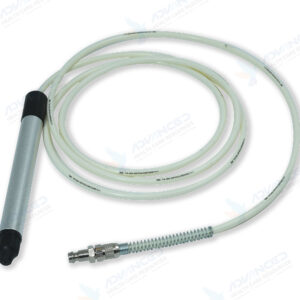
The Pulselith handpiece has a specified length of 185 mm and weight of 175 g. The handpiece connects the pneumatic system to the selected lithotripsy probe.
For the complete technical specifications, probe options, and available configurations, buyers can review the Pulselith Pneumatic Lithotripter specifications or contact AHCR for a configuration-specific quotation.
Clinical Applications of the Pulselith Pneumatic Lithotripter
The Pulselith Pneumatic Lithotripter is designed for intracorporeal urinary stone fragmentation and can form part of the equipment setup used in endourological procedures. The appropriate probe and instrument configuration depends on the procedure being performed and the hospital’s existing urology equipment.
Ureteroscopy (URS)
During ureteroscopy, a compatible lithotripsy probe can be used through the working channel of the ureteroscope to deliver pneumatic pulses to urinary stones. The Pulselith system lists a 640 mm probe length for URS applications, with multiple probe diameters available.
Hospitals evaluating the system for URS should confirm probe diameter, working length, handpiece compatibility, and compatibility with the ureteroscopes and accessories used in their department.
Percutaneous Nephrolithotomy (PCNL)
PCNL uses percutaneous access to facilitate the management of kidney stones. A pneumatic lithotripter may be incorporated into the stone-fragmentation equipment setup according to the clinical workflow and instruments used by the urology team.
The Pulselith system lists a 450 mm probe length for PCNL applications. Buyers should confirm the appropriate probe configuration and compatibility with their existing PCNL instruments before purchasing.
Stone-Fragmentation Equipment for Endourology
For hospitals building or expanding an endourology and stone-management setup, the lithotripter should be evaluated alongside the other instruments used during the procedure. Probe dimensions, handpiece connections, gas supply, operating controls, and supporting accessories should all be considered when selecting the equipment configuration.
If you are unsure which Pulselith configuration is appropriate for your intended application, contact AHCR to discuss your equipment requirements.
Pulselith Pneumatic Lithotripter Probe Options
The lithotripsy probe is the component that transfers the pneumatic impact generated by the system to the stone. Probe diameter and working length are therefore important considerations when selecting a pneumatic lithotripter for a hospital or urology centre.
Available Probe Diameters
The Pulselith Pneumatic Lithotripter supports multiple probe diameters:
- 0.8 mm
- 1.0 mm
- 1.2 mm
- 1.5 mm
- 2.0 mm
- 2.5 mm
This range allows buyers to select the probe configuration appropriate for their intended equipment and procedural requirements.
Probe Lengths for URS and PCNL
Pulselith lists different probe working lengths for its intended applications:
| Application | Listed Probe Length |
|---|---|
| URS | 640 mm |
| PCNL | 450 mm |
Hospitals should confirm the required probe diameter and length based on the ureteroscope, nephroscope, working channel, and other instruments used in their existing setup.
What to Check When Selecting Lithotripsy Probes
- Required probe diameter
- Working length
- Compatibility with the Pulselith handpiece
- Compatibility with the intended endoscopic instrument
- Quantity included in the equipment package
- Availability of additional probes
- Availability of replacement probes
Probe requirements should be specified when requesting a quotation so that the supplied equipment configuration matches the hospital’s intended applications.
For additional probe options or replacement requirements, contact AHCR for availability and configuration details.
What Is Included With the Pulselith Pneumatic Lithotripter?
When evaluating a pneumatic lithotripter, buyers should check the complete supplied configuration rather than comparing the main generator alone. The components included with the Pulselith system should be confirmed in the quotation based on the required configuration.
Standard System Components
The listed Pulselith configuration includes the following components:
- Pulselith Pneumatic Lithotripter
- Handpieces with tubing
- Lithotripsy probes in the available sizes and configuration
- Dual foot switch
- Oxygen regulator tubing
- Oxygen regulator
- Power cord
- Instruction manual
The exact number of probes, handpieces, and other components supplied should be confirmed with AHCR when requesting a quotation, as the configuration may vary according to the buyer’s requirements.
Additional Configuration Options
Hospitals may require additional probes, replacement accessories, or supporting equipment depending on their intended procedures and existing infrastructure. Pulselith can also be supplied in a configuration with a dedicated compressor for facilities that require a separate compressed-air source.
See the Pulselith Pneumatic Lithotripter with Pulse Silent Air Compressor for the combined equipment configuration.
Complete Pulselith Pneumatic Lithotripter Set
For hospitals and urology centres looking for a bundled equipment configuration, Pulselith is also available as a Complete Pulselith Pneumatic Lithotripter Set with Carry Bag. The set combines the control unit, handpiece, rigid probes, foot switch, oxygen regulator, and other essential accessories in a dedicated carry bag.
This configuration can be considered when the buyer requires a complete portable set rather than the standalone lithotripter unit.
Confirm the Configuration Before Ordering
Before placing an order, buyers should confirm:
- Number and sizes of probes required
- Number of handpieces included
- Foot-switch configuration
- Gas-supply and regulator requirements
- Whether a dedicated compressor is required
- Additional accessories or replacement components
- Installation and training requirements
- Warranty and service terms
Providing these details in advance helps ensure that the supplied system matches the hospital’s procedural requirements and existing infrastructure.
Quality, Compliance and Manufacturing
Hospitals and medical-device distributors should review the applicable quality and regulatory documentation when evaluating a pneumatic lithotripter. Product certification, manufacturing standards, technical documentation, and traceability can all form part of the procurement assessment.
Manufactured in India
AHCR manufactures and supplies the Pulselith range of pneumatic lithotripsy equipment in India. Learn more about Pulselith pneumatic lithotripters and manufacturing capabilities.
ISO 13485 Quality Management System
AHCR states that its medical-device manufacturing operates under an ISO 13485-certified quality management system. ISO 13485 is an international quality-management standard specifically applicable to organizations involved in the design, production, installation, and servicing of medical devices.
CE Certification
The Pulselith Pneumatic Lithotripter is listed with CE certification. Buyers should request the applicable certification and product documentation for the specific model and intended market as part of their procurement process.
Documentation for Procurement
Before purchasing, hospitals and distributors should request the documentation relevant to their procurement and regulatory requirements. Depending on the market and purchasing arrangement, this may include:
- Product technical specifications
- Instructions for use
- Applicable certification documents
- Quality-management documentation
- Warranty information
- Product configuration and accessory details
- Service and maintenance information
Reviewing this information before placing an order helps procurement teams verify that the selected pneumatic lithotripter meets their technical, documentation, and institutional requirements.
Pneumatic Lithotripter Accessories and Supporting Equipment
A pneumatic lithotripter is typically used as part of a broader stone-management setup. Depending on the hospital’s existing equipment and the selected configuration, buyers may require additional probes, handpieces, foot switches, gas-supply components, or a dedicated compressor.
Lithotripsy Probes
Probes are available in multiple diameters and working lengths for different equipment configurations. The Pulselith system lists probe diameters from 0.8 mm to 2.5 mm, with dedicated lengths listed for URS and PCNL applications.
Hospitals requiring additional or replacement probes can review the available Pulselith pneumatic lithotripter accessories.
Handpiece
The handpiece connects the lithotripter generator to the selected probe and is an important part of the operating configuration. Buyers should confirm handpiece compatibility when ordering additional or replacement components.
Foot Switch
The foot switch provides an operating control for the pneumatic lithotripter. A dual foot-switch configuration is listed as part of the supplied Pulselith system.
Oxygen Regulator
When oxygen is used as the input gas, the Oxygen Regulator for Pneumatic Lithotripter can be used as part of the gas-supply configuration. Buyers should confirm the required regulator and tubing configuration when requesting a quotation.
Dedicated Air Compressor
Facilities that require a dedicated compressed-air source can consider a combined lithotripter and compressor configuration. Pulselith is available with a Pulse Silent Air Compressor as an alternative configuration.
Why Accessories Matter When Buying a Pneumatic Lithotripter
Accessories can affect both the initial procurement cost and the long-term usability of a pneumatic lithotripsy system. Before ordering, confirm which components are included, which are optional, and how replacement parts and additional probes can be obtained.
For hospitals and distributors, it is useful to request an itemized quotation covering the complete equipment configuration, accessories, warranty, service support, and delivery requirements.
Installation, Training and After-Sales Support
Successful medical-device procurement involves more than selecting the right equipment. Hospitals also need to understand installation, commissioning, operator training, warranty coverage, maintenance, and technical support before purchasing a pneumatic lithotripter.
Installation and Commissioning
Before installation, the hospital should confirm the equipment’s power requirements, gas-supply requirements, available space, and other applicable infrastructure requirements. The installation arrangement should be clarified with AHCR before delivery.
For configurations that include a dedicated compressor, buyers should also confirm the compressor’s installation, power, connection, and operating requirements.
Operator and Technical Training
Hospitals may require product orientation or technical training when introducing a new lithotripsy system. Training requirements should be discussed with the manufacturer before purchase so that the appropriate arrangements can be included in the procurement plan.
Warranty Support
Warranty coverage should be reviewed as part of the equipment quotation. Buyers should confirm the warranty period, covered components, exclusions, service process, and any conditions that apply to warranty support.
Service and Maintenance
Ask about recommended maintenance, technical service, troubleshooting support, and availability of replacement components. For pneumatic lithotripsy equipment, buyers should also consider the availability of replacement probes, handpieces, tubing, and other serviceable components.
Spare Parts and Replacement Accessories
Long-term equipment availability can depend on access to appropriate replacement components. Before purchasing, confirm how additional probes, handpieces, accessories, and other spare parts can be ordered and whether technical assistance is available when required.
Support for Hospitals and Distributors
Hospitals, urology centres, distributors, and institutional buyers may have different procurement and support requirements. When requesting a quotation from AHCR, provide details about the intended application, configuration, quantity, delivery location, and any installation or training requirements.
Contact AHCR to discuss installation, training and support requirements.
Frequently Asked Questions About the Pulselith Pneumatic Lithotripter
What is a pneumatic lithotripter?
A pneumatic lithotripter is an intracorporeal stone-fragmentation system that uses pneumatic or ballistic energy delivered through a compatible probe. It is used as part of endourological equipment setups for urinary stone-management procedures.
What procedures can the Pulselith Pneumatic Lithotripter be used for?
The Pulselith Pneumatic Lithotripter is designed for intracorporeal urinary stone-fragmentation applications and provides probe configurations for ureteroscopy (URS) and percutaneous nephrolithotomy (PCNL). Buyers should confirm the appropriate configuration for their specific procedure and existing instruments.
What probe sizes are available for the Pulselith Pneumatic Lithotripter?
Pulselith lists probe diameters of 0.8 mm, 1.0 mm, 1.2 mm, 1.5 mm, 2.0 mm, and 2.5 mm. Probe lengths are listed at 640 mm for URS and 450 mm for PCNL applications. The required configuration should be confirmed when placing an order.
Does the Pulselith Pneumatic Lithotripter require compressed air?
The system is specified for use with compressed air or oxygen. It has a stated inlet supply requirement of 4–6 kg/cm² and an output pressure range of 2.5–4.5 kg/cm². Hospitals should confirm that their available gas infrastructure meets the equipment requirements.
Is a compressor available with the Pulselith Pneumatic Lithotripter?
Yes. Pulselith is also available in a configuration with a Pulse Silent Air Compressor. This option can be considered by facilities that require a dedicated compressed-air source rather than relying on existing infrastructure.
View the Pulselith Pneumatic Lithotripter with Pulse Silent Air Compressor.
What is included with the Pulselith Pneumatic Lithotripter?
The listed system configuration includes the pneumatic lithotripter, handpieces with tubing, lithotripsy probes, a dual foot switch, oxygen regulator tubing, oxygen regulator, power cord, and instruction manual. The exact quantities and configuration should be confirmed with AHCR before ordering.
How can I get a quotation for the Pulselith Pneumatic Lithotripter?
For a configuration-specific quotation, provide details such as your intended application, required probe sizes and lengths, compressor requirements, quantity, and delivery location. You can contact AHCR for product specifications and a quotation.
Pulselith Pneumatic Lithotripter Specifications
The Pulselith Pneumatic Lithotripter is designed with configurable operating modes, pressure settings, probe options, and gas-supply requirements for intracorporeal stone-fragmentation applications. The following specifications provide an overview of the standard system configuration.
| Specification | Details |
|---|---|
| Operating Modes | Single, Multiple, Power-Pulse |
| Projectile Impact Frequency | 1–12 Hz and 14 Hz |
| Input Gas | Oxygen / Compressed Air |
| Inlet Supply | 4–6 kg/cm² |
| Output Pressure | 2.5–4.5 kg/cm² |
| Mains Supply | 180–230 V, 50 Hz |
| Power Consumption | 40 W |
| Handpiece Length | 185 mm |
| Handpiece Weight | 175 g |
| Available Probe Diameters | 0.8 mm, 1.0 mm, 1.2 mm, 1.5 mm, 2.0 mm, 2.5 mm |
| URS Probe Length | 640 mm |
| PCNL Probe Length | 450 mm |
The available probe configuration allows hospitals to select the appropriate probe diameter and working length according to their intended application. Buyers should confirm the required configuration and included accessories with AHCR when requesting a quotation.