
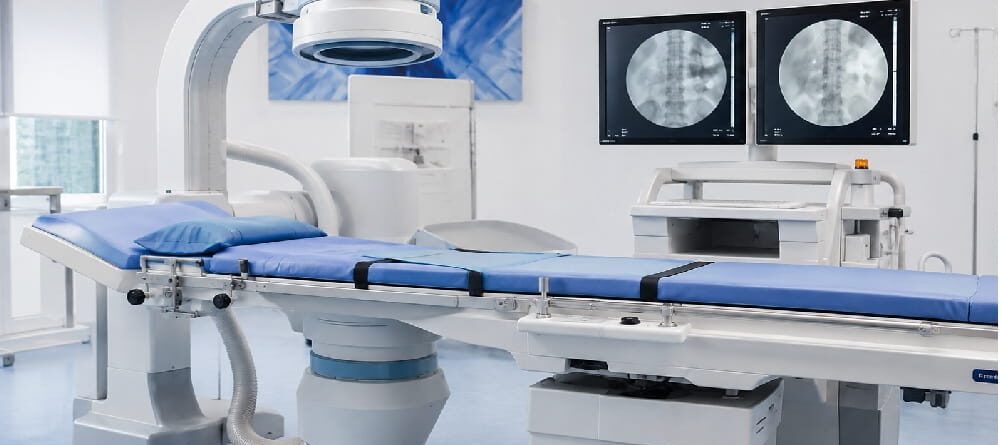
Kidney stone disease is one of the most common reasons patients land in a urology department, and demand for in-house stone treatment keeps rising as hospitals move away from outsourcing to mobile lithotripsy providers. This checklist walks through what a lithotripsy unit actually needs — equipment, room and space planning, staffing, and the regulatory approvals most hospitals in India will have to clear before the unit can go live.
Table of Contents
- What Counts as a “Lithotripsy Unit”? ESWL vs. Intracorporeal
- Core Equipment Checklist
- Space & Room Requirements
- Staffing Checklist
- Regulatory & Compliance Requirements (India)
- Sterilization & Infection Control
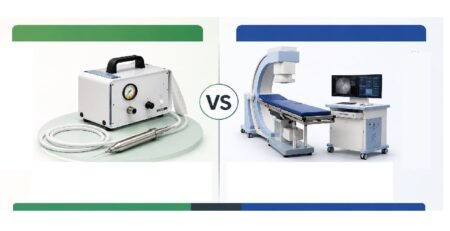
- ESWL Unit vs. Endourology (PCNL/URS) Unit: Comparison
- Setup Checklist: Quick Summary
- FAQs
What Counts as a “Lithotripsy Unit”? ESWL vs. Intracorporeal
“Lithotripsy unit” gets used for two fairly different setups, and it’s worth being clear on which one you’re planning before you build a budget:
- Extracorporeal Shock Wave Lithotripsy (ESWL): A dedicated, self-contained lithotripter machine that breaks stones from outside the body using focused shock waves, guided by X-ray or ultrasound. Often run as a standalone procedure room rather than inside a full OT.
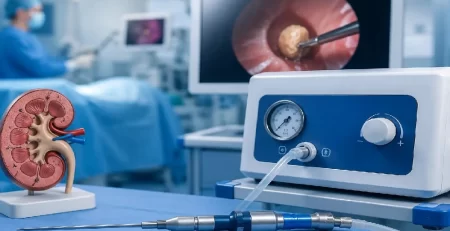
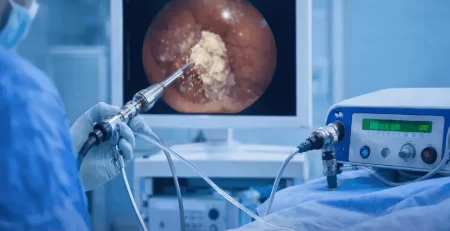
- Intracorporeal lithotripsy (PCNL/URS-based): Stone fragmentation performed inside the urinary tract using a pneumatic, laser, or ultrasonic probe passed through a nephroscope or ureteroscope, as part of a PCNL or ureteroscopy procedure inside a full operating theatre.
Many hospitals eventually run both, since ESWL suits smaller, non-complex stones on an outpatient basis, while intracorporeal lithotripsy inside an endourology OT is needed for larger or more complex stones. This checklist covers requirements for both, with a direct comparison further down.
Core Equipment Checklist
At minimum, a functional lithotripsy setup needs the following, whether you’re building an ESWL room or a full endourology OT:
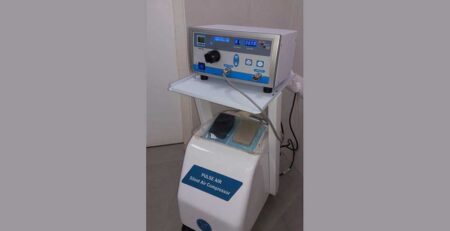
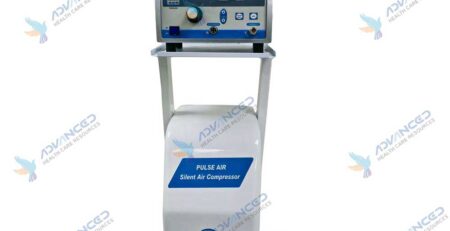
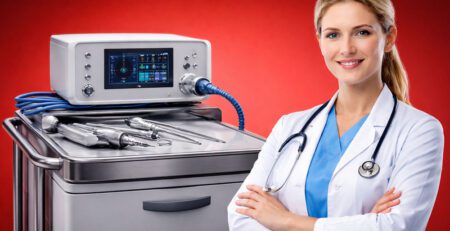
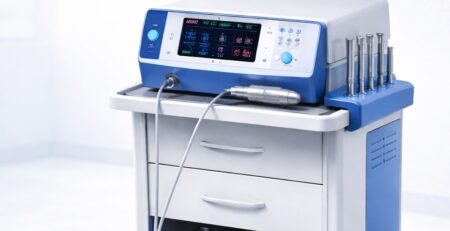
- Lithotripter unit: An ESWL machine, or an intracorporeal pneumatic lithotripter for endourology procedures (some units also stock laser lithotripsy for finer fragmentation)
- C-arm / fluoroscopy imaging: Essential for real-time stone localization and instrument guidance during both ESWL and PCNL
- Diagnostic ultrasound: Used as an imaging alternative or adjunct to fluoroscopy, particularly for ESWL targeting
- Radiolucent OT table: Required for endourology procedures so the C-arm can image through the table without obstruction
- Endoscopy tower: Camera unit, light source, and monitor for visualization during PCNL/URS — paired with a nephroscope for renal access procedures
- Complete PCNL instrument set: Renal puncture needle, dilators, Amplatz sheath, forceps — see our PCNL Set range for the full component breakdown
- Ureteroscopy instruments: For URS-based intracorporeal lithotripsy, sourced from a ureteroscopy set
- Anesthesia machine and monitoring: Standard OT anesthesia and patient monitoring equipment for sedation or general/spinal anesthesia
- Sterilization equipment: Autoclave capacity sized to the instrument turnover the unit expects
- Radiation protection gear: Lead aprons, thyroid shields, and radiation dosimeters for all staff working near the C-arm
Space & Room Requirements
Space planning differs meaningfully between the two models:
- ESWL room: Can often be set up as a dedicated procedure room outside the main OT complex, since it’s typically a non-invasive, lower-acuity setup — but it still needs radiation shielding built into the walls, floor, and viewing areas
- Endourology OT (for PCNL/URS): Needs to meet full operating theatre standards — laminar airflow or adequate ventilation, a scrub area, instrument storage, and enough floor space to accommodate the OT table, C-arm, endoscopy tower, and anesthesia equipment without compromising the sterile field
- Recovery/observation area: Required for both models, since patients need monitoring post-procedure before discharge or transfer to a ward
- Radiation shielding: Lead-lined walls, doors, and viewing windows sized to the specific X-ray output of your C-arm or ESWL unit — this is assessed and signed off during the regulatory approval process, not something to estimate on your own
Staffing Checklist
Both ESWL and endourology units need a defined care team, not just a urologist and a machine:
- Urologist: Present throughout the procedure to localize the stone, guide targeting, and adapt treatment as needed
- Anesthesiologist: Required for endourology procedures under general or spinal anesthesia; ESWL may only need sedation depending on the case
- OT/radiology technician: Trained to operate the C-arm or lithotripter console, manage fluoroscopy exposure, and troubleshoot routine equipment issues
- Scrub nurse / OT nurse: For instrument handling and sterile field maintenance during endourology procedures
- Radiological Safety Officer (RSO): A named, approved RSO is a regulatory requirement wherever fluoroscopy or C-arm imaging is used — see the compliance section below
- Biomedical/service engineer access: Either in-house or via an annual maintenance contract with your equipment supplier, for periodic servicing and emergency breakdowns
Regulatory & Compliance Requirements (India)
Any unit using a C-arm, fluoroscopy, or an ESWL machine with X-ray guidance in India falls under Atomic Energy Regulatory Board (AERB) oversight, not just general hospital licensing. Key requirements:
- AERB Licence for Operation: Mandatory before any X-ray-guided equipment can be used for patient procedures, applied for through AERB’s e-LORA online system
- Radiological Safety Officer (RSO): Must be formally approved by the Competent Authority, with defined qualifications and training in radiation safety and quality assurance
- Shielding verification: Room shielding must be inspected and approved before licensing, based on your specific equipment’s output
- Mandatory QA checks: A third-party AERB-authorized agency must certify the equipment meets safety benchmarks; this repeats at least once every two years, and after any repair affecting radiation safety
- Personnel monitoring: Radiation dosimeters and periodic monitoring for all radiation workers in the unit
- General hospital/NABH accreditation: Separate from AERB, but relevant if the unit is part of a broader accreditation push
Licensing typically takes around 30 days once the QA report and documentation are submitted, so this should be planned in parallel with equipment procurement rather than after installation.
Sterilization & Infection Control
- Autoclave capacity: Sized to instrument turnover — a busy PCNL/URS unit will cycle through nephroscopes, forceps, and dilator sets multiple times a day
- Single-use vs. reusable instrument mix: Sheaths and some dilators are commonly single-use for infection control, while nephroscopes, forceps, and telescopic dilators are reusable and need a defined sterilization protocol
- Biomedical waste management: Compliance with local biomedical waste handling rules for used sheaths, needles, and disposable components
ESWL Unit vs. Endourology (PCNL/URS) Unit: Comparison
| Parameter | ESWL Unit | Endourology (PCNL/URS) Unit |
|---|---|---|
| Core equipment | ESWL/shock wave machine, imaging (X-ray or ultrasound) | Pneumatic/laser lithotripter, C-arm, nephroscope/ureteroscope, PCNL or ureteroscopy instrument set |
| Room type | Dedicated procedure room, shielding required | Full operating theatre with laminar airflow/ventilation standards |
| Anesthesia | Sedation, often outpatient | General or spinal anesthesia |
| Staffing | Urologist, radiology technician, minimal nursing support | Urologist, anesthesiologist, OT/scrub nurse, radiology technician, RSO |
| Sterilization load | Minimal — mostly non-invasive | High — full endoscopic instrument set per case |
| Best suited for | Smaller, less complex stones; outpatient setting | Larger or complex stones (staghorn calculi); inpatient setting |
Setup Checklist: Quick Summary
- Lithotripter unit (ESWL or intracorporeal pneumatic/laser)
- C-arm/fluoroscopy or diagnostic ultrasound imaging
- Radiolucent OT table (for endourology)
- Endoscopy tower + nephroscope/ureteroscope (for endourology)
- Complete PCNL or URS instrument set
- Anesthesia machine and monitoring equipment
- Autoclave/sterilization setup sized to case volume
- Radiation shielding built and verified for the room
- Radiation protection gear (aprons, thyroid shields, dosimeters)
- AERB Licence for Operation (via e-LORA)
- Approved Radiological Safety Officer (RSO)
- Staffing: urologist, anesthesiologist, OT/radiology technician, scrub nurse
- Biomedical waste management protocol
- Annual maintenance contract for equipment servicing
FAQs
What equipment is needed to set up a lithotripsy unit?
At minimum, a lithotripsy unit needs a lithotripter (ESWL machine or intracorporeal pneumatic/laser lithotripter), C-arm or ultrasound imaging, sterilization equipment, and — for endourology setups — a nephroscope or ureteroscope with a complete PCNL or URS instrument set.
Do I need an AERB license to set up a lithotripsy unit in India?
Yes. Any unit using C-arm, fluoroscopy, or X-ray-guided imaging requires an AERB Licence for Operation, along with an approved Radiological Safety Officer and periodic third-party QA checks on the equipment.
What staff do I need for a lithotripsy unit?
A minimum team includes a urologist, an OT or radiology technician to operate the imaging/lithotripter console, and an approved Radiological Safety Officer. Endourology (PCNL/URS) units additionally need an anesthesiologist and scrub/OT nursing support.
Is an ESWL unit or a PCNL/endourology OT better to start with?
It depends on your patient case mix. ESWL suits smaller, less complex stones and can run as a lower-cost outpatient setup, while an endourology OT is needed for larger or complex stones (like staghorn calculi) that require PCNL or ureteroscopy. Many hospitals eventually build both.
Pulselith is an intracorporeal pneumatic lithotripter manufacturer and exporter, PCNL sets, nephroscopes, and ureteroscopy instruments needed to equip an endourology unit, under ISO 13485:2012 and CE certification, for hospitals and distributors worldwide. Browse the full urology instruments range or contact us for equipment planning and bulk enquiries.


Leave a Reply