

Regulation, Documents, Shipping and Supplier Checklist
Hospitals and distributors across the Gulf and Africa increasingly buy urology and surgical instruments from India, attracted by competitive pricing, a wide range under one roof and certified manufacturing. But importing medical devices into Saudi Arabia, the UAE, Egypt, Nigeria, Kenya or South Africa is not as simple as placing an order. Each country has its own regulator, its own rules about local representatives and its own import permits.
This guide explains how to import urology instruments from India into the Middle East and Africa: the regulatory map for six key markets, the documents your local agent will ask for, how to structure the agent relationship, how to ship, and how to check an Indian supplier before you commit. It is written for importers, distributors, hospital procurement teams and regulatory managers.
Why buyers in the Middle East and Africa source from India
Four reasons come up repeatedly in enquiries from these regions:
- Value. Indian manufacturers offer competitive pricing on reusable urology instruments and mid-range equipment.
- Range. One manufacturer can supply urology, laparoscopy and gynecology instruments, which reduces the number of suppliers and shipments.
- Certification. Established manufacturers hold ISO 13485 and CE marking, which regulators in these regions use as supporting evidence.
- Flexibility. OEM, private-label and custom specifications are widely available. See our guide to OEM supply from India.
Origin alone does not decide quality, so verify every supplier on evidence. Our guide to Made in India vs imported urology instruments explains how to compare suppliers fairly, and why hospitals worldwide source urology instruments from India adds context.
The regulatory map: six key markets
This table summarises the main requirements as published by each regulator and regulatory guidance sources. It is a starting point, not legal advice. Several of these systems are changing, so check the current rules before you file.
| Market and regulator | What is generally required | Points to watch |
|---|---|---|
| Saudi Arabia SFDA |
A Medical Device Marketing Authorisation (MDMA) before marketing. Foreign manufacturers appoint a licensed Saudi authorised representative, who files the application. Devices are classed A to D. | Approvals from certain reference regulators, such as Europe or the US, can support the application but do not replace Saudi requirements. See the SFDA guidance. |
| United Arab Emirates MOHAP, with the Emirates Drug Establishment |
Federal device registration through a UAE-based local authorised representative. Overseas manufacturers cannot file directly. Registration certificates are commonly valid for five years. See MOHAP. | The Emirates Drug Establishment has taken over many services, and Dubai (DHA) and Abu Dhabi (DoH) regulate facilities. A February 2026 policy reportedly requires more than one agent per product, so verify. |
| Egypt Egyptian Drug Authority |
Foreign manufacturers appoint an Egyptian registration holder, and devices are registered with the authority. | Timelines and simplification measures changed in 2026. Confirm current device-specific rules. |
| Nigeria NAFDAC |
Devices must be registered. Foreign manufacturers are represented by a local agent with a power of attorney, and provide a Certificate of Manufacture and Free Sale, ISO 13485 evidence and a declaration of conformity. Certificates are valid for five years. See the NAFDAC guidelines. | Applications go through NAFDAC’s online portal. A draft device regulation was published in 2025, so rules may change. |
| Kenya Pharmacy and Poisons Board |
Product registration (classes A to D) and a separate distribution licence for importers, wholesalers and local authorised representatives. An import permit is issued for each consignment. | A reliance pathway can accept prior CE or FDA approvals to speed registration, but it is only the first step. Submissions use the PPB portal. |
| South Africa SAHPRA |
A medical device establishment licence for manufacturers, importers and distributors, with an authorised representative. See the SAHPRA guideline. | Class A-only businesses are exempt from the establishment licence. Product registration was not yet required at the time of the sources checked, and ISO 13485 expectations are growing. |
Other markets in both regions follow similar patterns: a risk-based classification, a local representative, device registration or listing and import permits. Ask your local partner for the specific rules in your country.
Who does what: manufacturer, agent, importer
The Indian manufacturer owns the product and the technical evidence. The local representative or registration holder files with the regulator and handles communication. A licensed importer or distributor brings the goods into the country and supplies hospitals. In some markets one company plays more than one role, and in others the roles must be separate, for example when a representative does not automatically hold an import or distribution licence.
Documents your local agent will ask for
Ask the supplier early which of these it can provide, and in what form. Some regulators want notarised, legalised or authenticated copies, and Nigeria’s guidelines, for example, call for a Certificate of Manufacture and Free Sale from the competent authority in the country of origin. Labels and instructions for use should be in English at minimum, and some markets require the local language as well, so check with your regulator. Our guide to which certifications Indian manufacturers need explains what each certificate proves, and how to validate quality before a bulk order shows how to check them.
Choosing and contracting the local agent
The local representative is more than a paperwork service: in several markets they are the named holder of the registration, which gives them leverage. Choose and contract carefully:
- Check the licence. Confirm the agent holds the licence the regulator requires for its role.
- Agree who holds the registration. Decide what happens to the file if you change agent. In Saudi Arabia, for example, changing the authorised representative does not need the previous representative’s approval, but you should still agree the handover in writing.
- Define territory and exclusivity. Some markets are moving away from single-agent models, so avoid clauses that may not be enforceable.
- Set duties. Renewals, post-market vigilance, complaints and recalls should all have a named owner.
- Plan for training and stock. The agent’s ability to train users and hold spares affects your reputation.
Shipping, packing and payment
- Freight mode. Sea freight suits bulk instrument orders. Air freight suits urgent orders and high-value equipment such as lithotripters.
- Packing. Use protective inner packaging, moisture control and export-grade cartons, because instruments travel through heat and humidity. Batch or lot numbers on labels support traceability.
- Incoterms. Many importers choose CIP for air or CIF for sea, so the supplier handles export clearance, freight and insurance. Compare the supplier’s freight quote with your forwarder’s. Our import guide explains Incoterms and documents in detail.
- Payment. Advance transfer suits small trial orders, a deposit plus balance suits production orders, and a letter of credit suits larger first orders.
- Import permits and customs. Some regulators issue a permit for each consignment, so line up the permit before the goods ship.
Verifying the Indian supplier
For distance buyers, verification is the highest-value step. Run a virtual factory audit with its free workbook, order samples and test them, and begin with a small first order. Check that you are dealing with a manufacturer, not only a reseller, using our guide on manufacturer vs trader, and read what to look for in a urology instruments manufacturer and what makes a reliable exporter. If you buy through a tender, use our tender specification checklist.
After-sales support in remote markets
Distance makes after-sales planning essential. Before you order equipment such as a lithotripter, agree in writing:
- Which spares and consumables you will hold locally, and how fast the supplier can replenish them.
- How users will be trained, on site or by video, and in which language.
- What remote support the supplier offers, and the response time.
- Warranty terms and what is excluded.
Our guide to lithotripter spare parts and troubleshooting shows how to plan spares, and the same logic applies to other equipment.
Products buyers in these regions ask for
AHCR (Advanced Health Care Resources) is an ISO 13485 and CE certified manufacturer in Okhla Industrial Area, New Delhi, exporting to the Asia-Pacific region, the Middle East, Africa and the Americas. Typical enquiries include:
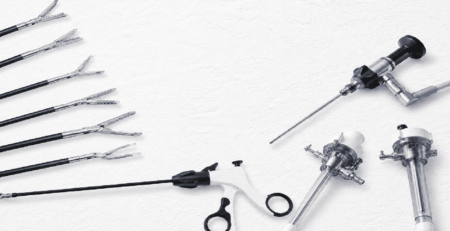
- Pneumatic lithotripter
With probes, handpiece and spares for stone treatment. - 400W bipolar TURP system
Normal saline bipolar resection, with a monopolar option. - Stone punch set
Bladder stone set with sheath, obturator and cystoscope. - Hysteroscopy set
For diagnostic and operative gynecology.
Browse the urology instruments range or the full catalogue, and read exporting urology instruments from India to see how we support overseas buyers.
Frequently asked questions
Do I need a local representative to import medical devices from India into the Middle East or Africa?
In most of these markets, yes. Saudi Arabia, the UAE, Nigeria and Kenya require foreign manufacturers to work through a licensed local representative or agent, and Egypt requires a local registration holder. South Africa licenses establishments and requires an authorised representative. Requirements change, so confirm with the regulator or a local regulatory partner.
Is CE marking enough to sell Indian instruments in Saudi Arabia, the UAE or Africa?
CE marking supports applications in many markets, and some regulators accept it as a reference approval, but it does not replace local registration. Saudi Arabia, for example, still requires a Medical Device Marketing Authorisation, and Kenya requires product registration plus a distribution licence.
Which documents will the local agent ask the Indian manufacturer for?
Typically an ISO 13485 certificate, a CE certificate or declaration of conformity, the Indian manufacturing licence, a free sale certificate, a technical file, labels and instructions for use, a power of attorney or agent agreement, and a product list. Some regulators ask for notarised or authenticated copies.
Who should hold the product registration, the manufacturer or the agent?
It depends on the country, because in many markets the authorised representative or registration holder is the named holder. Agree in the contract what happens if you change agent, who owns the registration file and how renewals are handled.
How should instruments be shipped to hot, humid markets?
Use protective inner packaging, moisture control and export-grade cartons, and choose sea freight for bulk orders and air freight for urgent or high-value equipment. Inspect cartons on arrival and report damage to the carrier within its claim window.
How can I verify an Indian supplier before ordering?
Ask for the ISO 13485 certificate, CE documents, the manufacturing licence and export references, run a virtual factory audit, order samples and start with a small first order. AHCR publishes a free audit checklist and workbook for this.
Does AHCR export to the Middle East and Africa?
Yes. AHCR is an ISO 13485 and CE certified surgical instruments manufacturer in New Delhi that exports to the Asia-Pacific region, the Middle East, Africa and the Americas. Send your destination country, products and your local representative’s requirements through the contact page, and the team will confirm which documents it can supply.
Ready to import from India?
We work with importers, distributors and hospital buyers across the Middle East and Africa. Start with your country, your local partner and the products you need.
This guide is general information, not legal or regulatory advice. Regulations in these markets change frequently, and details here come from regulator documents and regulatory guidance sources checked at the time of writing. Confirm current requirements with the regulator or a qualified local regulatory partner before you file or ship.








Leave a Reply