
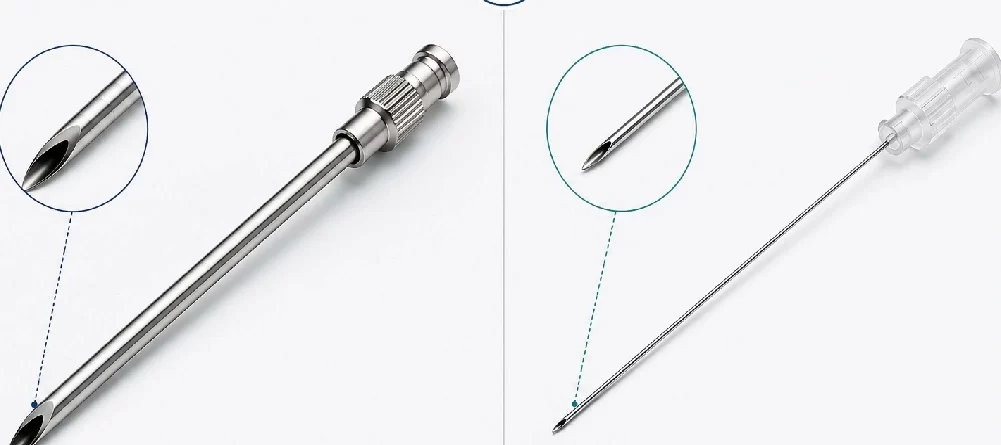
When performing Percutaneous Nephrolithotomy (PCNL), achieving safe and accurate renal access is one of the most critical steps in the procedure. The success of tract creation, stone clearance, and overall patient outcomes often depends on the precision of the initial puncture. For this reason, urologists carefully select the instruments used during percutaneous renal access.
Among the most commonly used renal access needles are the Alken Needle and the Chiba Needle. While both are designed to facilitate access to the renal collecting system, they differ significantly in terms of rigidity, tactile feedback, guidewire support, and suitability for various PCNL techniques.
For hospitals, stone management centers, and procurement teams evaluating PCNL instruments, understanding these differences can help optimize procedural efficiency, surgeon confidence, and long-term clinical outcomes.
Why Renal Access Matters in PCNL
PCNL is widely recognized as the gold standard treatment for large kidney stones, staghorn calculi, and complex renal stone burdens. However, the procedure begins with obtaining accurate access to the desired calyx. A poorly executed puncture can increase bleeding risks, prolong operative time, and compromise stone clearance.
Successful renal access requires a combination of surgeon expertise, imaging guidance, and reliable access instruments. The choice between an Alken Needle and a Chiba Needle can influence how efficiently and accurately this crucial step is performed.
What Is an Alken Needle?
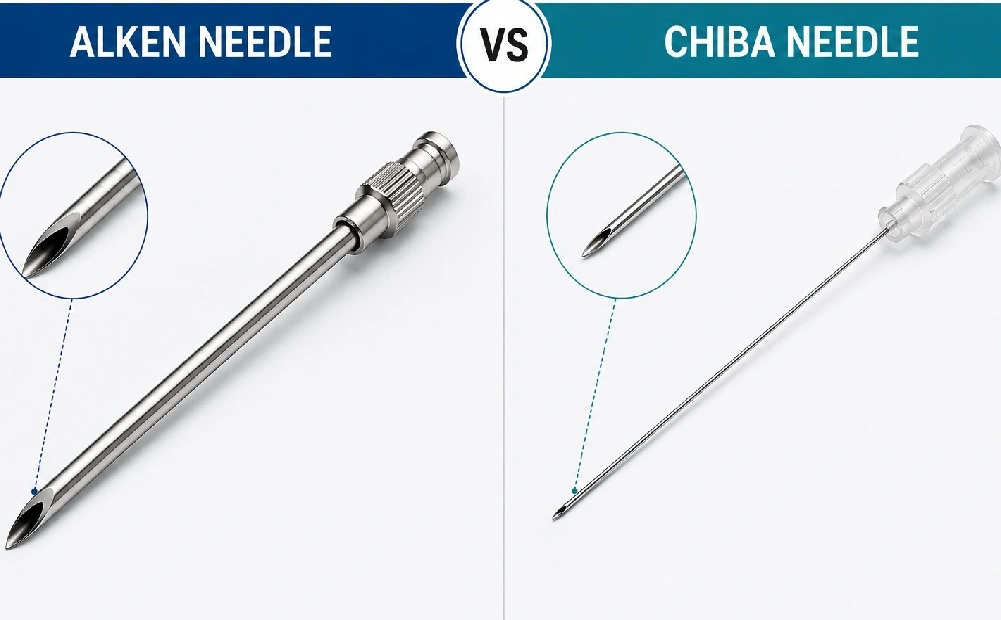
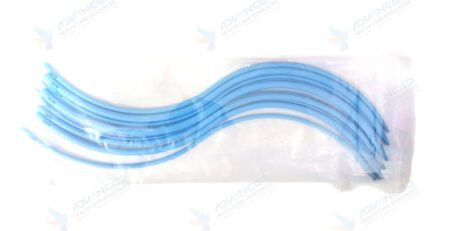
An Alken Needle is a rigid metallic access needle specifically designed for PCNL procedures. It is widely used by urologists because it offers excellent stability during puncture and provides strong support during guidewire placement and tract creation.
The rigid construction allows surgeons to maintain a consistent trajectory while advancing toward the target calyx. This enhanced control is particularly beneficial in patients with complex anatomy or large stone burdens where precise access is essential.
Many high-volume stone management centers prefer Alken Needles because they integrate seamlessly with tract dilation systems and support efficient procedural workflows.
What Is a Chiba Needle?
A Chiba Needle is a thinner and more flexible needle commonly used in radiology and image-guided interventions. Some urologists also utilize Chiba Needles for renal puncture during PCNL, particularly when extremely precise access is required.
Due to its smaller diameter, the Chiba Needle can create a less traumatic initial puncture. However, its flexibility may reduce directional stability compared to a rigid Alken Needle, especially in more challenging access situations.
The Chiba Needle remains a valuable option in selected clinical scenarios but is often viewed as a specialized rather than universal solution for PCNL access.
Key Differences Between Alken Needle and Chiba Needle
| Feature | Alken Needle | Chiba Needle |
|---|---|---|
| Construction | Rigid Metallic Design | Thin Flexible Design |
| Tactile Feedback | Excellent | Moderate |
| Guidewire Support | High | Moderate |
| PCNL Compatibility | Excellent | Good |
| Stability During Puncture | High | Moderate |
Puncture Control and Accuracy
One of the primary reasons many urologists choose an Alken Needle for PCNL is the level of puncture control it provides. The rigid shaft enables surgeons to maintain a stable pathway toward the desired calyx, reducing the need for repeated adjustments during fluoroscopic or ultrasound-guided access.
In contrast, the flexibility of a Chiba Needle can occasionally make trajectory control more challenging, particularly in patients with difficult anatomy or significant respiratory movement. While experienced operators can achieve excellent results with either needle, many clinicians appreciate the added confidence that the Alken Needle’s stability provides.
Tactile Feedback During Renal Access
Tactile feedback plays an important role during percutaneous renal puncture. As the needle passes through various tissue layers, subtle changes in resistance help surgeons identify when the collecting system has been entered.
The rigid metallic design of the Alken Needle generally provides superior tactile feedback compared to thinner flexible alternatives. This enhanced feedback can contribute to more accurate punctures and fewer access attempts, particularly in complex stone cases.
Guidewire Placement and Tract Dilation
Following successful puncture, guidewire placement and tract dilation become the next critical steps in PCNL. A stable access pathway is essential for creating a safe and effective nephrostomy tract.
Because Alken Needles are specifically designed for PCNL workflows, they often provide stronger support during guidewire advancement and subsequent tract dilation. This compatibility makes them particularly attractive for hospitals performing a high volume of kidney stone procedures.
The Chiba Needle can also facilitate guidewire placement but may not offer the same level of support during subsequent procedural stages.
Clinical Situations Where Each Needle May Be Used
Both needles have valuable clinical applications depending on procedural goals and surgeon preference.
- Alken Needles are commonly used for standard PCNL procedures.
- Alken Needles are often preferred for large kidney stones and staghorn calculi.
- Chiba Needles may be selected for highly targeted punctures.
- Chiba Needles are frequently used in radiology-guided interventions.
- Both options can support successful renal access when used appropriately.
Factors Hospitals Should Consider Before Purchasing
When evaluating PCNL access needles, procurement teams should focus on overall procedural value rather than purchase price alone. Instrument quality directly impacts surgeon experience, procedural efficiency, and long-term inventory costs.
Hospitals should assess several important criteria before making purchasing decisions.
- Material quality and manufacturing standards
- Sterilization compatibility
- Needle durability and consistency
- Guidewire compatibility
- Availability of multiple sizes
- Regulatory certifications and quality compliance
- Supplier reliability and after-sales support
Which Needle Is Better for PCNL?
There is no universal answer because clinical requirements vary between cases. However, for routine PCNL procedures and high-volume stone management programs, the Alken Needle is often preferred due to its rigidity, superior tactile feedback, and compatibility with tract dilation systems.
These advantages can improve procedural confidence, reduce puncture adjustments, and support efficient renal access creation. The Chiba Needle remains a useful option in specific circumstances where fine puncture characteristics are desired.
Ultimately, the best choice depends on surgeon preference, patient anatomy, procedural objectives, and institutional protocols.
Conclusion
Both the Alken Needle and Chiba Needle play important roles in percutaneous renal access. However, for many urologists performing PCNL, the Alken Needle offers advantages in stability, guidewire support, tactile feedback, and tract creation efficiency. These characteristics have made it one of the most widely used renal access needles in modern stone management procedures.
Hospitals and urology centers seeking reliable PCNL instruments should evaluate not only needle design but also manufacturing quality, consistency, and clinical support. Selecting the right renal access needle can contribute to smoother procedures, improved stone clearance, and better patient outcomes.
Looking for High-Quality Alken Needles?
Pulselith by AHCR manufactures precision-engineered Alken Needles designed for accurate renal access during PCNL procedures. Our urology instruments are developed to support guidewire placement, tract creation, and efficient stone management while meeting stringent quality standards relied upon by healthcare providers worldwide.
Frequently Asked Questions
What is an Alken Needle used for?
An Alken Needle is a rigid metallic access needle used during Percutaneous Nephrolithotomy (PCNL) procedures to achieve accurate renal access, facilitate guidewire placement, and support tract dilation for kidney stone removal.
What is the difference between an Alken Needle and a Chiba Needle?
The Alken Needle is a rigid access needle commonly used in PCNL procedures, offering superior stability and tactile feedback. The Chiba Needle is thinner and more flexible, making it suitable for highly targeted punctures and image-guided interventions.
Which needle is better for PCNL procedures?
For most routine PCNL procedures, many urologists prefer the Alken Needle due to its rigidity, guidewire support, and compatibility with tract dilation systems. The ideal choice depends on surgeon preference, patient anatomy, and procedural requirements.
Why is renal access important during PCNL?
Accurate renal access is one of the most critical steps in PCNL because it affects stone clearance, operative time, bleeding risk, and overall procedural success. Proper access helps create a safe pathway to the kidney for stone removal.
What factors should hospitals consider when purchasing PCNL access needles?
Hospitals should evaluate material quality, durability, sterilization compatibility, guidewire support, manufacturer reputation, regulatory compliance, and long-term clinical performance when selecting PCNL access needles.
Can Alken Needles be used for complex kidney stone cases?
Yes. Alken Needles are widely used in complex kidney stone procedures, including cases involving large renal stones and staghorn calculi, because they provide stable puncture control and efficient support for tract creation.






Leave a Reply