19Jul
13Jul
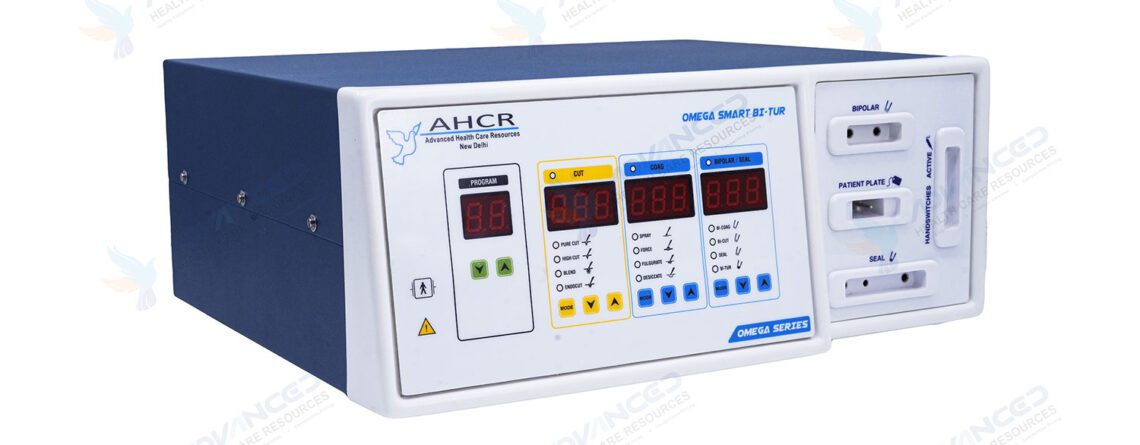
How to Choose a Bipolar TURP Machine for Your Urology OT
Published by Pulse | Medical Device Insights Transurethral resection of the prostate (TURP) remains one of the most commonly performed urological procedures for benign prostatic hyperplasia (BPH). Over the last decade, bipolar TURP systems using normal saline irrigation have steadily replaced older monopolar setups in many...
11Jul
Top 5 Questions Urologists Ask Before Buying a Cystoscopy Sheath
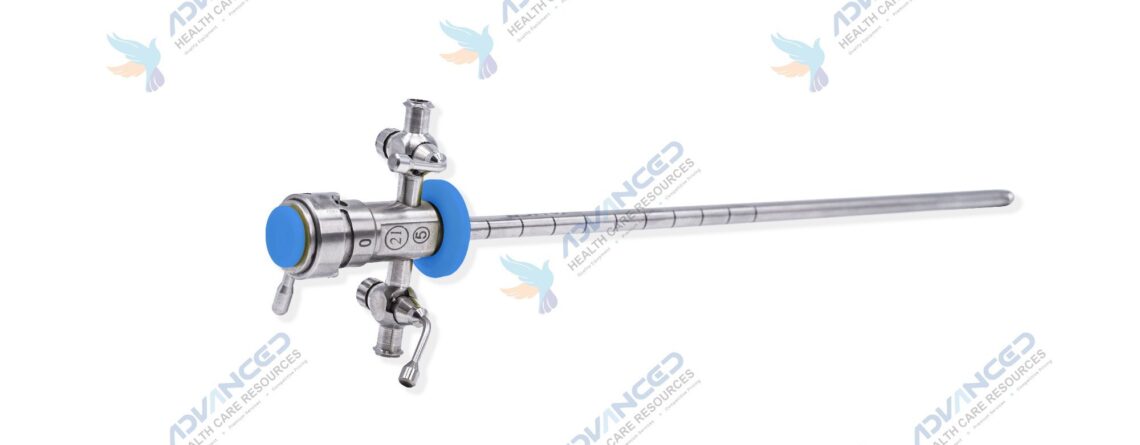
Buying the right cystoscopy sheath isn't just about price — it's about fit, compatibility, and reliability during a procedure where there's no room for error. Whether you're outfitting a new OT or replacing worn-out instruments, the same handful of questions come up again and again...
09Jul
What Hospitals Should Check Before Purchasing PCNL Puncture Needles
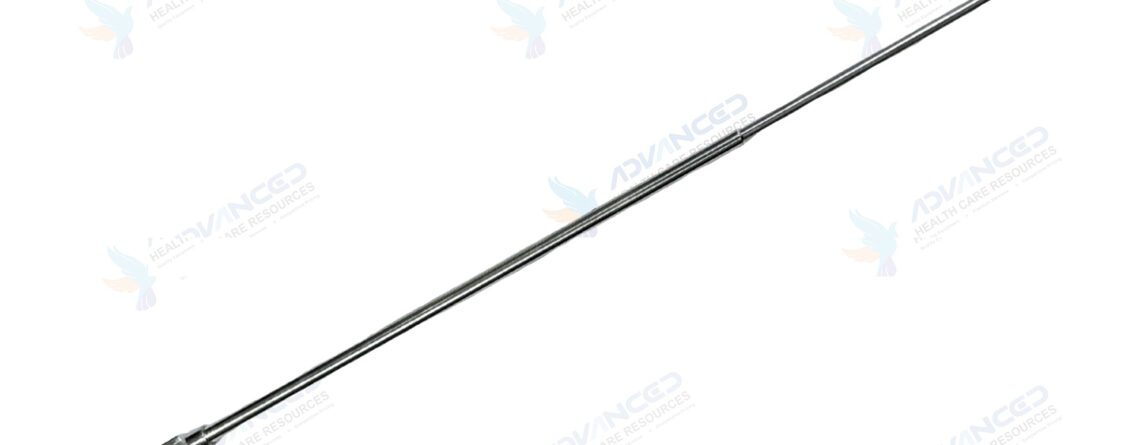
A practical procurement checklist for urology departments, biomedical engineers, and hospital purchase committees evaluating renal access needles for Percutaneous Nephrolithotomy (PCNL). Table of Contents Why the Puncture Needle Deserves Procurement Attention 1. Gauge and Length Compatibility 2. Tip Design and Bevel Geometry <a...</a...
22Jun
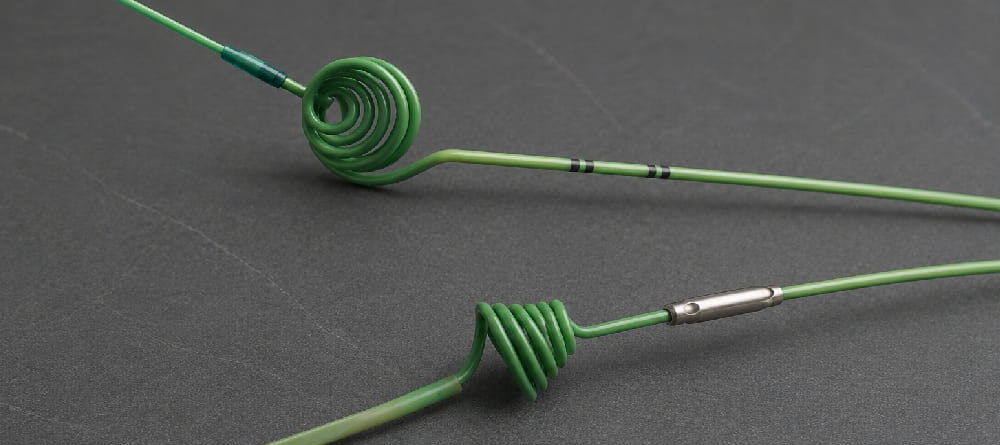
Stone Cone Nitinol Retrieval Coil
Clinical Outcomes, Procurement Considerations & Why Your Urology Department Needs It An evidence-based guide for urologists, department heads, and hospital procurement committees evaluating anti-retropulsion devices for ureteroscopic lithotripsy. 5–40% Rate of retrograde stone migration during ureteroscopic lithotripsy in proximal and distal ureteral calculi cases — directly increasing morbidity...
15Jun
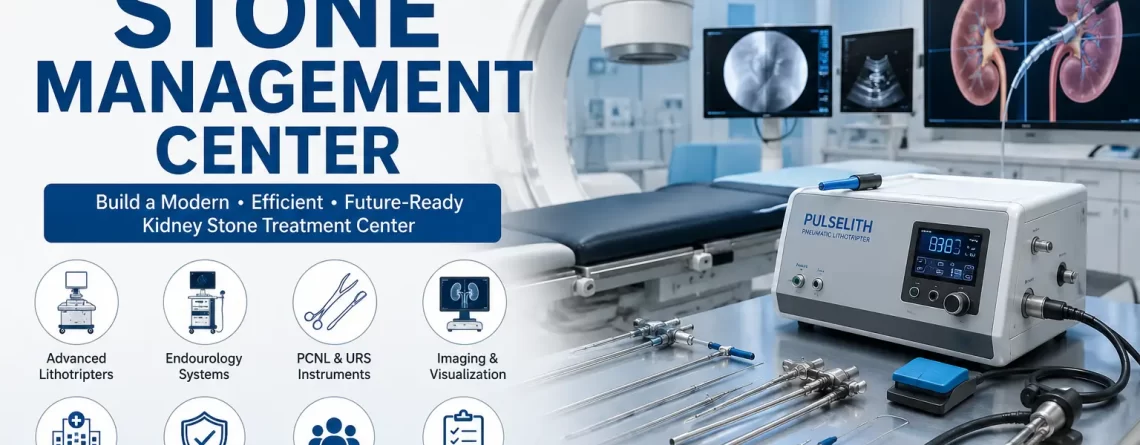
Complete Checklist for Setting Up a Stone Management Center
Kidney stone disease continues to be one of the most common urological conditions worldwide, creating growing demand for specialized stone management centers. As hospitals and healthcare providers expand their urology capabilities, dedicated stone management facilities are becoming essential for delivering efficient, minimally invasive treatment while...
12Jun
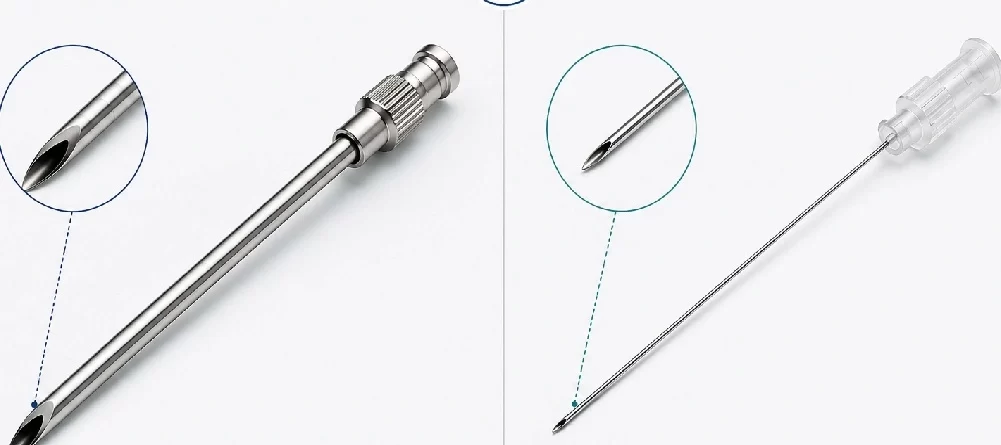
Alken Needle vs Chiba Needle: Which Is Better for PCNL and Percutaneous Renal Access?
When performing Percutaneous Nephrolithotomy (PCNL), achieving safe and accurate renal access is one of the most critical steps in the procedure. The success of tract creation, stone clearance, and overall patient outcomes often depends on the precision of the initial puncture. For this reason, urologists...
10Jun
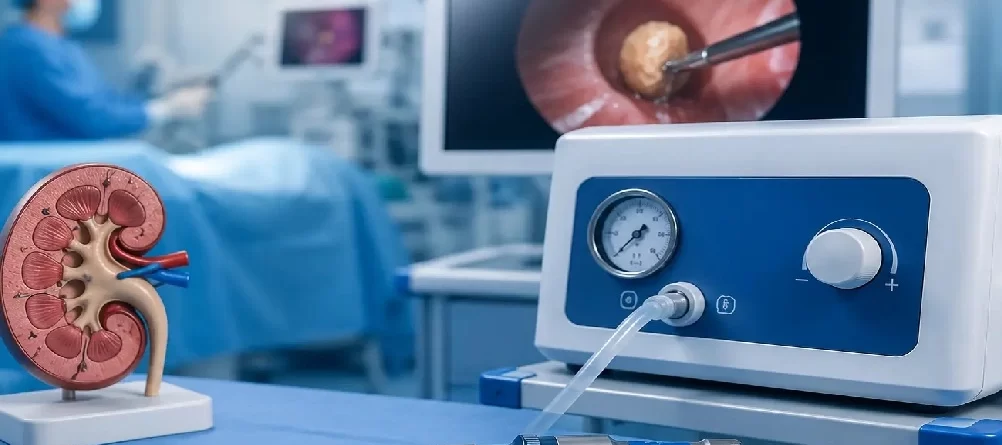
How to Choose a Pneumatic Lithotripter for URS and PCNL Procedures
Kidney stone treatment has evolved significantly over the past two decades, with minimally invasive techniques such as Ureteroscopy (URS) and Percutaneous Nephrolithotomy (PCNL) becoming standard procedures in modern urology departments. At the heart of many successful stone removal procedures is the pneumatic lithotripter, a device...
08Jun
Pneumatic Lithotripter Probe Sizes: When to Use 0.8mm vs 2.5mm
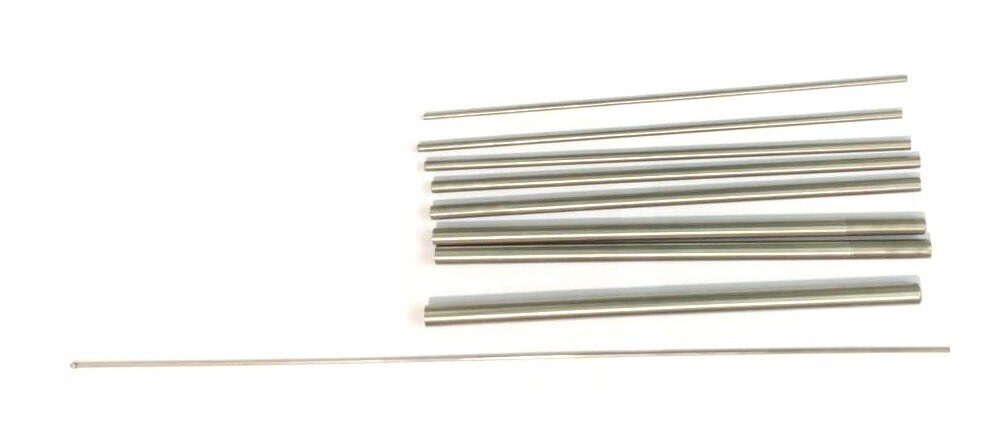
Choosing the right probe size is one of the most critical decisions in pneumatic lithotripsy. This guide covers all six probe sizes available with the Pulselith Intracorporeal Pneumatic Lithotripter — from 0.8 mm to 2.5 mm — and explains exactly when to use each one. Use...
08May