20Jun
15Jun
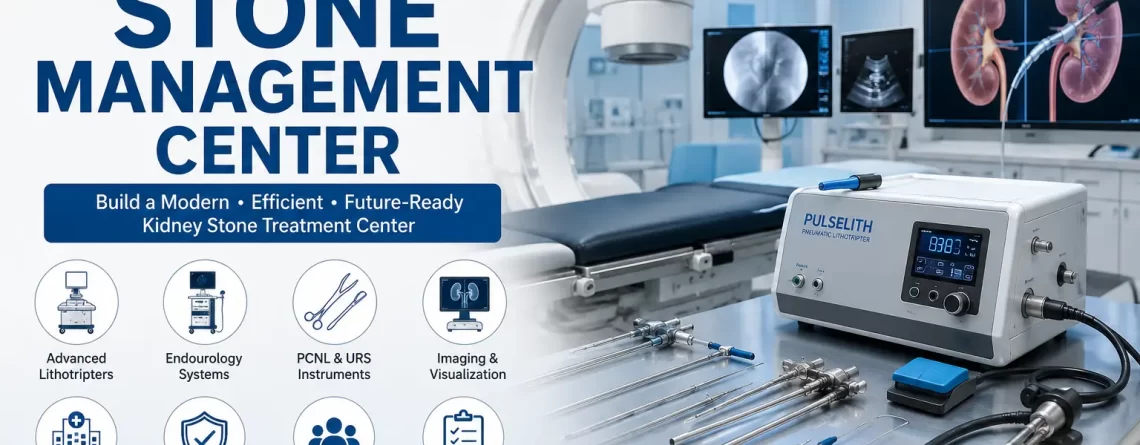
Complete Checklist for Setting Up a Stone Management Center
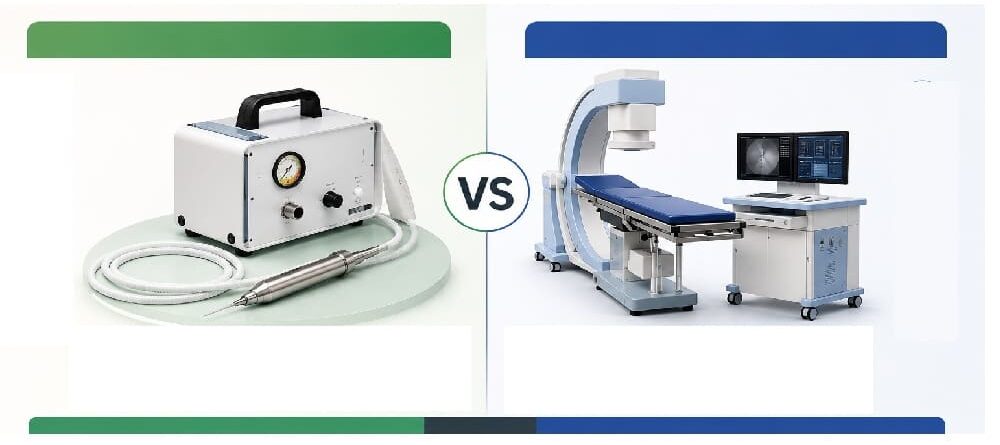
Kidney stone disease continues to be one of the most common urological conditions worldwide, creating growing demand for specialized stone management centers. As hospitals and healthcare providers expand their urology capabilities, dedicated stone management facilities are becoming essential for delivering efficient, minimally invasive treatment while...
12Jun
Alken Needle vs Chiba Needle: Which Is Better for PCNL and Percutaneous Renal Access?
When performing Percutaneous Nephrolithotomy (PCNL), achieving safe and accurate renal access is one of the most critical steps in the procedure. The success of tract creation, stone clearance, and overall patient outcomes often depends on the precision of the initial puncture. For this reason, urologists...
10Jun
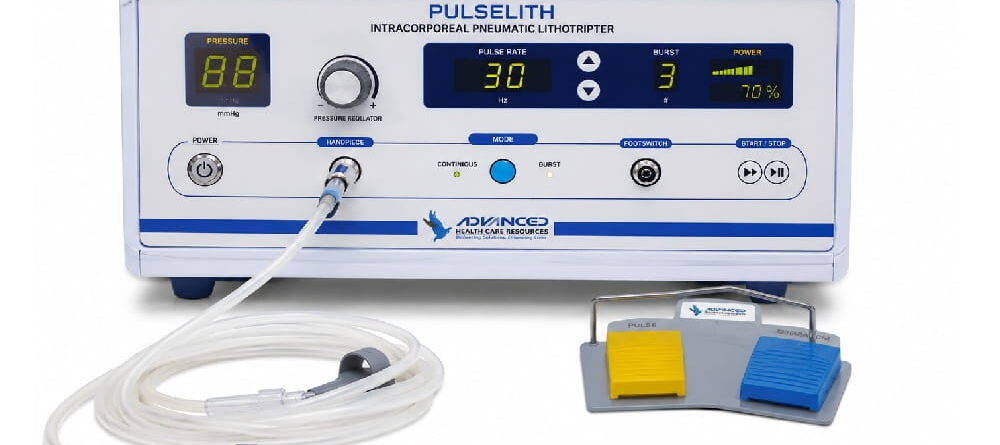
How to Choose a Pneumatic Lithotripter for URS and PCNL Procedures
Kidney stone treatment has evolved significantly over the past two decades, with minimally invasive techniques such as Ureteroscopy (URS) and Percutaneous Nephrolithotomy (PCNL) becoming standard procedures in modern urology departments. At the heart of many successful stone removal procedures is the pneumatic lithotripter, a device...
08Jun
Pneumatic Lithotripter Probe Sizes: When to Use 0.8mm vs 2.5mm
Choosing the right probe size is one of the most critical decisions in pneumatic lithotripsy. This guide covers all six probe sizes available with the Pulselith Intracorporeal Pneumatic Lithotripter — from 0.8 mm to 2.5 mm — and explains exactly when to use each one. Use...
04Jun
The Hidden Costs of Poor-Quality Laparoscopic Instruments
Introduction When hospitals and surgical centres evaluate laparoscopic instruments, the purchase price is almost always the number that dominates procurement conversations. That instinct is understandable — budgets are finite, and the sticker cost of a trocar or grasper is immediately visible on an invoice. What rarely...
26May
How Indian Manufacturers Are Supporting the Growth of Ambulatory Surgery Centers (ASCs)
Industry Deep Dive & Tech Report The Silent Engine of Healthcare Transformation: How Indian Manufacturers Are Supporting the Growth of Ambulatory Surgery Centers (ASCs) Table of Contents 1. Introduction: The Global Shift and the Indian ASC Context 2. The Economic Equation: Reducing Capital Expenditure (CapEx) 3. Tailored...
23May
Why Reusability Is Becoming Important Again in Laparoscopic Surgery
For many years, disposable surgical products became the preferred choice across several healthcare environments. Single-use instruments were often associated with convenience, sterility assurance, and simplified inventory management. But over the last few years, a noticeable shift has started taking place inside hospitals and surgical centers...
21May
How Instrument Precision Directly Impacts Minimally Invasive Surgery Outcomes
Minimally invasive surgery has fundamentally changed the way modern healthcare approaches treatment. Procedures that once required larger incisions, extended hospitalization, and longer recovery periods are now routinely performed using advanced laparoscopic instruments, endoscopy surgical equipment, and precision-driven medical devices. But as minimally invasive procedures continue to...
13May