
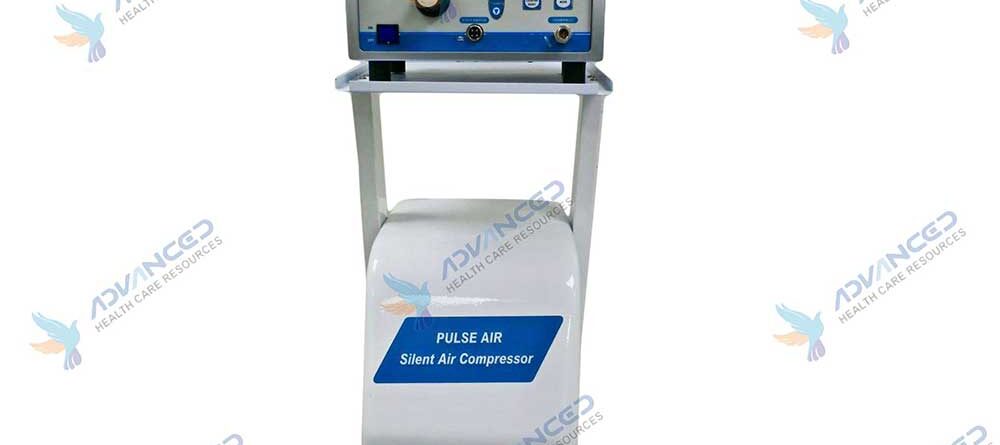
When it comes to urology, precision and efficiency are non-negotiable. Whether you manage a multi-specialty hospital, a dedicated urology clinic, or a surgical center, your choice of equipment plays a major role in patient outcomes and operational success. Among these crucial devices, the pneumatic lithotripter stands out as a cornerstone for kidney and urinary stone management.
If your hospital is planning to invest in this advanced technology, making the right decision can be the difference between seamless performance and costly downtime. This buyer’s guide will help you understand everything you need to know about choosing the best pneumatic lithotripter—from features and functionality to reliability, service, and compliance.
1. Understanding What a Pneumatic Lithotripter Does
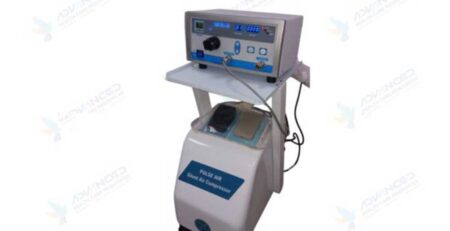
A pneumatic lithotripter is a specialized medical device designed to fragment kidney, ureteric, or bladder stones using controlled bursts of compressed air. The pressure generated propels a metallic probe that strikes the stone, breaking it into smaller fragments that can be easily removed or passed naturally.
Unlike laser or ultrasonic systems, pneumatic lithotripters are valued for their simplicity, reliability, and cost-effectiveness. They require less maintenance and deliver quick, effective results—making them an ideal choice for hospitals that perform a high volume of stone management procedures.
Why Hospitals Prefer Pneumatic Lithotripters
-
Cost-effective alternative to high-end laser systems
-
Quick stone fragmentation with minimal tissue damage
-
Durable and low-maintenance design suitable for long-term use
-
Simple operation with minimal learning curve for surgical staff
In short, they offer the perfect blend of performance, affordability, and reliability, which is why they’ve become the preferred choice for many healthcare institutions in India and worldwide.
2. Key Features to Look for in a Pneumatic Lithotripter
Choosing the right lithotripter requires more than just price comparison. You need to evaluate its design, performance, safety features, and ease of use. Here are the essential factors to consider:
a. Precision and Power Control
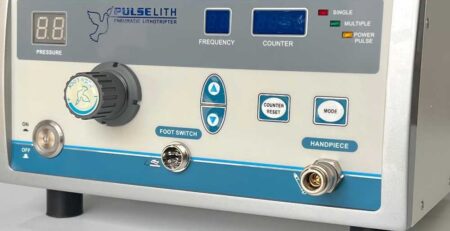
A high-quality pneumatic lithotripter should allow adjustable pressure and impact frequency. This enables surgeons to adapt to different stone types and patient conditions while minimizing the risk of trauma to surrounding tissues.
b. Ergonomic and Lightweight Handpiece
The handpiece is the surgeon’s primary interface with the machine. Look for a lightweight, ergonomic design that ensures comfort and control during long procedures. It should be easy to sterilize and compatible with a variety of probes.
c. Compatibility with Multiple Probe Sizes
Different cases require different probe diameters. Choose a system that supports multiple probe sizes (typically from 0.8 mm to 1.5 mm), allowing versatility across ureteric, renal, and bladder stones.
d. Reliable Air Pressure Generation
Since pneumatic lithotripters depend on compressed air, a stable and efficient air pressure system is vital. Ensure the unit can deliver consistent pressure without overheating or fluctuations during continuous use.
e. Safety Mechanisms
Safety should never be compromised. The lithotripter should have built-in features like:
-
Automatic pressure release
-
Overload protection
-
Leakage prevention systems
These features not only protect patients but also extend the life of your equipment.
3. Build Quality and Durability
When investing in surgical equipment, durability is a long-term value factor. Pneumatic lithotripters made from medical-grade stainless steel and reinforced internal components can handle repeated sterilizations and high-volume use without performance degradation.
Opt for devices that come with CE or ISO 13485 certification, as these indicate adherence to global quality standards. A well-constructed lithotripter will serve your hospital for years with minimal need for replacements.
4. Ease of Maintenance and Service Support
Even the most advanced equipment needs regular maintenance to perform optimally. Choose a lithotripter that’s designed for easy cleaning, minimal calibration, and fast part replacements.
Additionally, always check whether the manufacturer or supplier provides reliable after-sales service, including:
-
On-site technical assistance
-
Availability of spare parts
-
Preventive maintenance programs
-
Training for biomedical engineers
Hospitals that partner with reputable lithotripters suppliers in India often benefit from responsive support networks that help reduce downtime and maintain smooth operations.
5. Compliance and Certification Standards
In the medical device industry, certification is not just a formality—it’s a guarantee of safety and performance. Ensure that your pneumatic lithotripter is certified under recognized standards such as:
-
ISO 13485 for medical device quality management
-
CE Marking for compliance with European safety regulations
-
FDA Registration (if exporting or operating internationally)
Working with certified lithotripter manufacturers in India ensures that your hospital meets both domestic and international regulatory expectations, improving trust among patients and accreditation bodies.
6. Comparing Pneumatic Lithotripters: What Sets the Best Apart
When evaluating suppliers, don’t just compare price tags—compare performance metrics and overall value. The best pneumatic lithotripters share a few defining characteristics:
-
High impact efficiency: Capable of fragmenting hard stones quickly
-
Low noise and vibration: Enhances comfort for the surgeon
-
Compact design: Fits easily into any operation theatre setup
-
Energy-efficient operation: Reduces long-term running costs
Choosing the right supplier often means balancing technology with practical usability and budget. The best lithotripters suppliers in India provide transparent product details, demo sessions, and post-installation training—helping hospitals make informed decisions.
7. Cost Considerations: Value Over Price
Affordability is a key reason hospitals choose pneumatic lithotripters. However, the cheapest option is not always the best. Instead of focusing solely on price, consider the total cost of ownership (TCO)—which includes:
-
Initial purchase cost
-
Maintenance and servicing expenses
-
Durability and expected lifespan
-
Training and operational efficiency
Indian manufacturers have a unique advantage—they deliver world-class quality at highly competitive prices, thanks to efficient production capabilities and local resource availability. This makes lithotripters suppliers in India the go-to choice for hospitals looking to balance budget and performance.
8. Common Mistakes to Avoid When Buying a Lithotripter
Even experienced hospital procurement teams can make missteps. Here are a few common pitfalls to watch out for:
-
Ignoring after-sales service: Always verify the supplier’s support policy.
-
Overlooking compatibility: Ensure probes and accessories are easily available.
-
Skipping product demos: Testing the machine before purchase helps assess usability.
-
Neglecting certification checks: Only buy from verified, certified manufacturers.
Avoiding these mistakes will save time, money, and frustration down the line.
9. Why Indian Manufacturers Are Leading the Way
India has emerged as a trusted global hub for medical device manufacturing, especially in urology equipment. Pneumatic lithotripter manufacturers in India are known for:
-
Precision engineering and advanced production setups
-
ISO and CE-certified manufacturing practices
-
Cost-effective yet reliable products
-
Excellent technical and export support
By choosing an Indian supplier, hospitals get the best of both worlds—international quality at a reasonable price.
10. Final Checklist Before Purchase
Before finalizing your purchase, review this quick checklist:
- Confirm certifications (ISO, CE, or FDA)
- Review warranty and maintenance coverage
- Check compatibility with your existing surgical setup
- Request live demos or technical documentation
- Verify customer reviews or hospital references
By following this list, you ensure your hospital invests in a pneumatic lithotripter that’s safe, efficient, and future-ready.
Conclusion
Choosing the right pneumatic lithotripter is about more than buying equipment—it’s about ensuring your hospital’s surgical precision, patient safety, and long-term operational efficiency. With so many options available, focusing on quality, compliance, and reliable service will guide you to the right partner.
Indian manufacturers have proven their expertise in building world-class urology equipment that delivers exceptional performance without inflating budgets. By selecting from the best lithotripters suppliers in India, you’re not just investing in a device—you’re investing in trust, innovation, and excellence.






Leave a Reply