
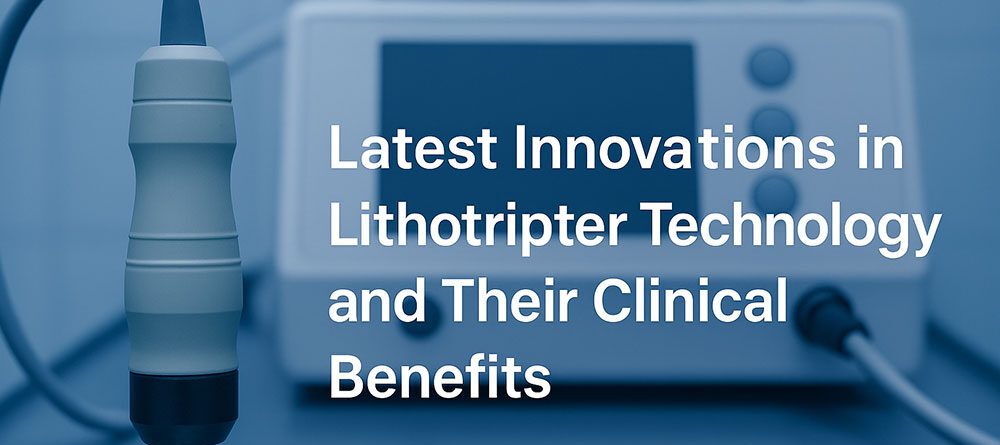
Lithotripsy has transformed the management of urinary stone disease, offering a non-invasive or minimally invasive alternative to open surgeries. As patient expectations rise and hospitals focus on improving outcomes, the evolution of lithotripter technology has become more important than ever. Modern devices are now faster, safer, more precise, and more reliable, making stone treatment significantly easier for both surgeons and patients. Companies like AHCR, along with leading lithotripter manufacturers in India, are at the forefront of this advancement—bringing engineering excellence, digital innovation, and patient-centric design to the global urology ecosystem.
This article explores the latest innovations in lithotripter technology and how they are redefining clinical efficiency, patient comfort, and surgical success rates.
1. Transition from Traditional Mechanical Systems to Advanced Energy Platforms
Early lithotripters relied primarily on mechanical or pneumatic force to break kidney and ureteric stones. While effective, these devices often produced larger fragments or required multiple repositioning attempts. Today’s innovations include refined pneumatic systems, ultrasonic lithotripters, and combination devices that offer superior control and fragmentation capabilities.
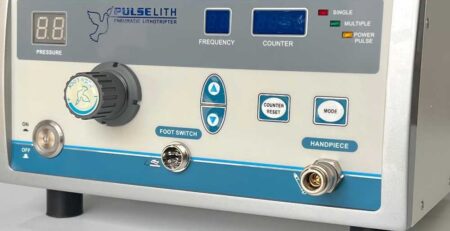
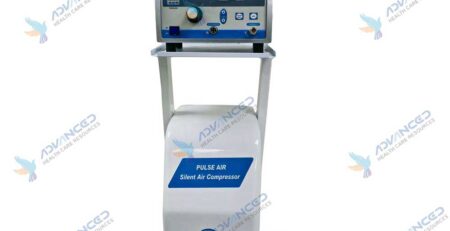
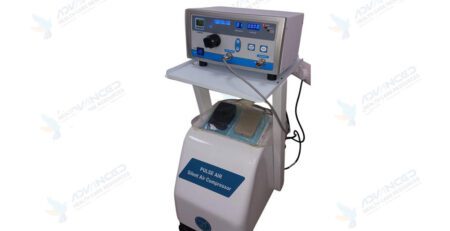
Modern pneumatic systems developed by lithotripter manufacturers in India now include improved air pressure regulation, ergonomic handpieces, and vibration-dampening technology that increases surgeon comfort and accuracy. AHCR has been instrumental in elevating the quality and durability of these devices, providing hospitals with dependable systems that work across a wide range of stone densities and surgical scenarios.
2. Miniaturization and Lightweight Designs
One of the most important advancements in lithotripter technology is miniaturization. Lightweight handpieces, slimmer probes, and compact energy units allow surgeons to maneuver instruments more efficiently during PCNL and URS procedures. These innovations support faster access, less trauma, and reduced patient recovery time.
Miniaturization also enables compatibility with smaller working channels—an essential improvement for pediatric urology. Companies like AHCR are developing ultra-light instruments that offer both strength and precision, ensuring that even the smallest patient can benefit from stone removal procedures with minimal discomfort.
3. Enhanced Precision Through Digital Control Systems
Digital control is one of the biggest reasons lithotripsy has improved dramatically. Modern systems now incorporate:
- Microprocessor-controlled pressure delivery
- Automated pulse modulation
- Fine-tuned impact frequency selection
- Real-time performance monitoring
These digital enhancements allow surgeons to adjust fragmentation force with extraordinary accuracy. The control systems developed by top lithotripter manufacturers in India help reduce complications such as mucosal injury or accidental probe slippage. AHCR integrates precision engineering with intuitive user interfaces, making the lithotripsy process easier to learn and more consistent across clinical teams.
4. Improved Safety Features for Surgeons and Patients
New lithotripter models prioritize safety through advanced design elements such as:
- Anti-kickback technology that stabilizes the handpiece
- Temperature regulation to prevent heat-related tissue damage
- Leak-proof connectors and high-strength probes
- Ergonomic, anti-fatigue handles for long surgeries
Safety-focused engineering is a hallmark of modern urological devices produced by innovative lithotripter manufacturers in India. AHCR takes this a step further by applying rigorous quality checks and using biocompatible materials that support long-term clinical reliability.
5. Hybrid and Multi-Mode Lithotripters
Another major innovation is the development of hybrid lithotripters that combine pneumatic, ultrasonic, and sometimes laser-compatible platforms into a single system. These hybrid solutions enable surgeons to switch modalities based on stone hardness, size, and location—improving overall efficiency.
Hybrid lithotripsy reduces the need for multiple devices and expands the treatment options for complex cases. AHCR and other forward-thinking manufacturers in India are pushing this technology forward, offering clinics modular devices that adapt to evolving surgical needs.
6. Higher Durability and Low Maintenance Requirements
Hospitals and urology centers value systems that perform consistently without frequent breakdowns or expensive repairs. Modern lithotripters now use reinforced alloys, precision bearings, and optimized internal air pathways that reduce mechanical friction and wear.
Manufacturers like AHCR prioritize durability because it directly impacts a hospital’s operational efficiency. Their devices are designed to withstand long surgical hours, repeated sterilization cycles, and heavy clinical workloads without performance decline. This reliability is one reason why many healthcare facilities choose trusted lithotripter manufacturers in India over imported alternatives.
7. Compatibility with Advanced Imaging and Endoscopic Systems
Lithotripters must integrate seamlessly with endoscopic tools such as flexible and semi-rigid ureteroscopes, nephroscopes, and cystoscopes. Newer models are engineered to work with thinner scopes, improved visualization towers, and higher-resolution camera systems.
This compatibility ensures that stone fragmentation is visible, controlled, and safe. AHCR works closely with endoscopy system developers to ensure cross-compatibility, making their lithotripters suitable for a wide range of modern operating rooms.
8. Clinical Benefits of These Technological Advancements
All of these innovations ultimately aim to improve clinical outcomes. Healthcare providers now report:
- Higher stone-free rates in a single session
- Reduced need for auxiliary procedures
- Lower risk of complications
- Shorter operative time
- Better ergonomics for surgeons
- Greater patient comfort and faster recovery
For hospitals, these advancements translate into lower costs, faster patient turnover, and improved quality-of-care metrics. For patients, the experience becomes less painful, less invasive, and far more predictable.
9. How AHCR Is Leading the Next Wave of Innovation
AHCR is recognized as one of the most trusted names in the urology device industry, continuously contributing to the advancements in lithotripsy technology. Their engineering team focuses on durability, safety, and surgeon comfort while incorporating features that simplify usage and maximize precision.
With a growing presence in both domestic and global healthcare markets, AHCR stands alongside leading lithotripter manufacturers in India in shaping the future of urological stone treatment. Their commitment to research, clinical feedback, and manufacturing excellence helps them create devices that meet international standards while remaining accessible and cost-efficient.
10. The Future of Lithotripsy
The next phase of innovation is likely to introduce smart lithotripters with AI-assisted fragmentation, automatic feedback loops, scope-integrated lithotripsy probes, and ultra-miniaturized tools for micro-PCNL procedures. India’s manufacturing ecosystem is well-positioned to drive these advancements—supported strongly by companies like AHCR that blend technological capability with deep clinical understanding.
Conclusion
Today’s lithotripter technology is more refined, more powerful, and safer than ever before. Innovations in energy systems, digital controls, miniaturization, durability, and hybrid functionality are dramatically improving clinical outcomes. As hospitals seek reliable and cost-effective solutions, the growing role of lithotripter manufacturers in India becomes increasingly important. Through continuous innovation and a commitment to excellence, companies like AHCR are driving the evolution of modern stone management—delivering greater precision, better patient care, and a new standard of surgical performance.






Leave a Reply