
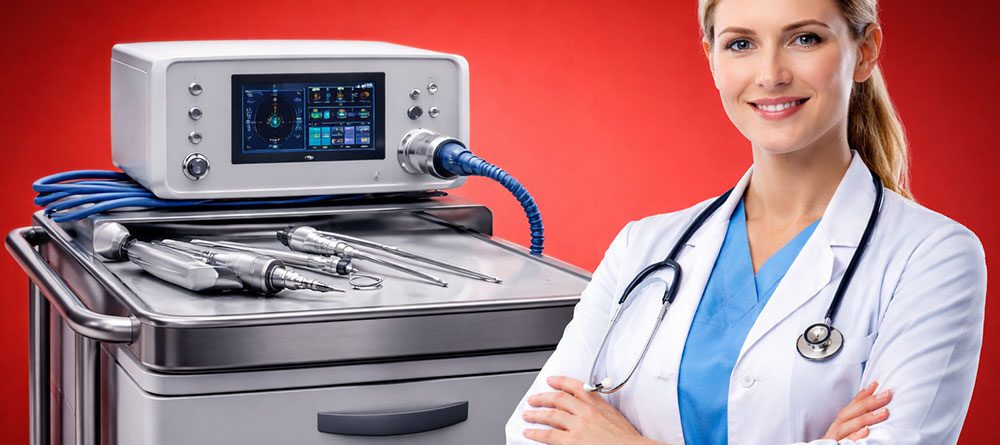
Catching stones, not wallets: choosing a pneumatic lithotripsy system is always a trade-off between clinical needs, total cost of ownership, and supplier reliability. This comparison looks beyond sticker price to help hospitals, clinics, and procurement teams understand how Pneumatic Lithotripsy Machine Price varies between Indian-made units and imported systems, and why those differences matter.
Summary — quick takeaways
- Entry-level Indian pneumatic lithotripters often start in the low tens of thousands of rupees for handheld intracorporeal units, while full-featured imported systems range much higher—often into several lakhs or tens of lakhs depending on features and imaging integration.
- Imported brands deliver legacy reputation, integrated imaging, and extended service networks; Indian models score on affordability, easier spare-part sourcing, and rapid local support.
- When calculating Pneumatic Lithotripsy Machine Price, include probes/handpieces, service contracts, consumables, training, and possible accessories like suction or combined energy modalities.
What is a pneumatic lithotripsy machine — and what drives price?
Pneumatic lithotripsy machines mechanically fragment urinary tract stones using a pneumatic (air-driven) probe and handpiece. They are commonly used during ureteroscopy and cystoscopy procedures. The apparent simplicity of the method (a hammering probe) hides a number of cost drivers:
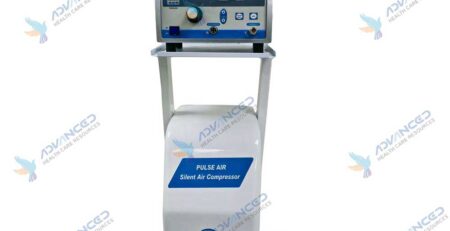
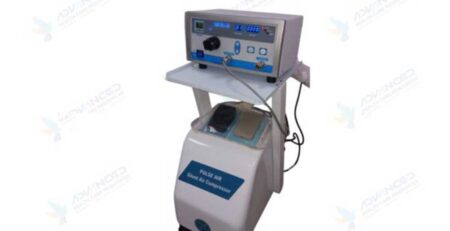
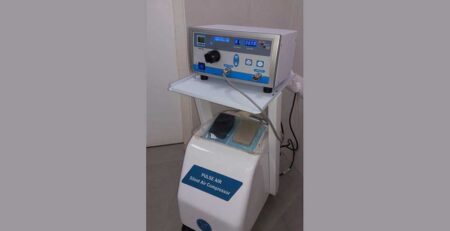
- Scope of system: a standalone intracorporeal probe set vs. a trolley-mounted system with digital controls and integrated suction will differ substantially in price.
- Build quality and components: medical-grade alloys, precision valves, and ergonomic handpieces add to cost.
- Accessories included: probes, multiple handpiece sizes, footswitch, and transport cases.
- Regulatory compliance and certifications: CE, ISO 13485, and other approvals increase development and documentation costs.
- After-sales support: warranty length, availability of technicians, and spare-part logistics affect lifetime cost.
Price bands you’ll actually see in the market
Because “pneumatic lithotripter” covers a range of products, price bands overlap. Based on supplier listings and marketplace sources, a practical breakdown is:
- Basic intracorporeal handheld sets (Indian manufacturers): from roughly ₹30,000 to ₹1,50,000 — probe + handpiece + basic control unit. These are commonly listed on marketplaces and local urology suppliers. :contentReference[oaicite:6]{index=6}
- Mid-range digital pneumatic systems (Indian and some imported): ₹1.5 lakh to ₹6 lakh — trolley unit, digital control, multiple probe sizes, better ergonomics. Many hospital suppliers bundle these with service contracts.
- High-end integrated systems (global OEMs): can reach ₹10 lakh and above for units that integrate with imaging systems, offer advanced controls, or combine modalities (e.g., pneumatic + ultrasonic). Government procurement listings for combined systems sometimes show much higher MRP values due to bundled packages and warranty/service agreements.
These ranges are indicative — final price depends on negotiation, bundling (training, consumables), currency fluctuations, and volume discounts.
Indian manufacturers — affordability and local advantages
India has several domestic makers of pneumatic lithotripsy equipment and intracorporeal probe sets. These local manufacturers thrive by delivering clinically acceptable performance at lower upfront costs, and by solving practical supply-chain problems for Indian hospitals.
Why hospitals choose Indian models
- Lower capital cost: For many secondary-care hospitals and smaller clinics, the lower sticker price makes adoption easier.
- Spare parts and probes: Locally available consumables reduce downtime and shipping costs.
- Faster technical support: Domestic suppliers can often provide same-city or next-day service, which matters for busy urology suites.
- Customization: Indian manufacturers frequently offer custom probe lengths, local power specifications, or package deals tailored to the buyer.
Examples of the Indian landscape include well-known local brands and dozens of smaller traders and manufacturers offering both entry-level “stone breaker” sets and more advanced digital pneumatic units. Marketplace listings show many units priced under ₹1 lakh for complete sets.
Imported models — reputation, integration, and higher costs
Global OEMs have decades of research, more advanced R&D budgets, and extensive clinical validation. Brands historically define “reference” devices in urology. Their systems often come with higher price tags — but also with features and assurances that matter to tertiary hospitals and academic centres. :Key benefits of imported systems
- Integration with imaging: some units are designed to interface tightly with fluoroscopy, ultrasound, or endoscopic video systems.
- Durability and precision: premium manufacturing tolerances and validated component lifetimes.
- Regulatory history: long track records of CE/FDA approvals and clinical publications supporting performance.
- Resale value: established brands often retain higher used-equipment price points, which can offset some capital costs.
Feature-by-feature comparison
Below is a practical checklist helping procurement teams compare Indian vs imported units across the features that matter most.
| Feature | Typical Indian models | Typical imported models |
|---|---|---|
| Upfront price | Lower — basic sets from ~₹30k–₹1.5L | Higher — ₹2L to ₹10L+ depending on integration |
| Probe & handpiece quality | Good for routine cases; may need more frequent replacements | High-grade materials; longer probe life |
| Digital controls / features | Basic to mid-level digital control available | Advanced controls, safety interlocks, presets |
| Integration with other devices | Often standalone; custom integration possible | Designed for multi-device integration (video, imaging) |
| Warranty & service network | Local technician network; shorter SLAs possible | Global service contracts; longer guaranteed SLAs |
| Regulatory documentation | ISO-compliant variants available; check CE/other approvals | Usually CE/FDA listings and clinical literature |
Major manufacturers to consider
When comparing prices, it helps to benchmark against well-known suppliers. A few names (not exhaustive) are:
- known for high-quality endoscopes and lithotripsy accessories.
- historically a leader in shock-wave lithotripsy and urology solutions.
- example of an Indian OEM offering pneumatic lithotripters and supplier support for domestic hospitals.
- Multiple other Indian vendors and traders list pneumatic units on marketplaces and government procurement portals — price and spec variance is high.
Real-world price examples and procurement signals
Public listings and marketplace entries provide a window into current market pricing:
- Small intracorporeal pneumatic sets appearing on ecommerce and hospital supply portals list prices from roughly ₹30,000 to ₹70,000 for basic packages. These usually include a handpiece, a few probes, and a simple controller.
- Mid-tier digital pneumatic lithotripters and well-specified trolley systems on hospital supplier sites show prices in the ₹65,000–₹6,44,000 band depending on brand and features.
- Government procurement tenders and official vendor pages occasionally list combined lithotripsy solutions (for example, intracorporeal pneumatic combined with ultrasonic or other modalities) with MRPs running into multiple millions of rupees—these often include extended warranties, installation, and training.
Procurement signal: if you see a price that seems “too good to be true” for a full digital trolley system from a small vendor, check what’s excluded (service, probes, imaging, taxes).
Hidden costs — what the sticker price doesn’t show
Comparing base prices is the first step. The fuller financial picture must include:
- Consumables & probes: probes wear out; imported probes may be pricier but last longer in some cases.
- Calibration & preventive maintenance: schedule and cost of periodic servicing.
- Downtime cost: faster local repairs (Indian supplier) can reduce lost-operating-time cost.
- Training & installation: vendor-provided training helps avoid misuse that shortens device life.
- Warranty scope: extended warranties and on-site spares are often negotiable but add to contract price.
- Regulatory compliance & documentation: if you export or use in specialized programs, documentation costs can be significant.
How to run a fair total-cost comparison
Procurement teams should build a simple TCO model for each quoted option. Example cost line items to include (annualized when helpful):
- Capital cost (amortized over 5–10 years)
- Annual maintenance contract (AMC) or service cost
- Consumables (probes per year)
- Downtime cost (lost OR time estimate)
- Training & commissioning
- Spare parts kit (initial purchase)
By converting all costs to annual amounts, you can compare a ₹1.5 lakh Indian system with a ₹6 lakh imported system more meaningfully — sometimes the cheaper system can cost more annually due to probe replacement or higher downtime; other times the savings are clear.
Clinical performance vs. price — the real balance
For many urology teams, clinical outcomes shape buying decisions. If the device is going to be used in complex cases, or integrated with an academic centre’s imaging workflows, prioritizing advanced controls and recognized brands can make sense. For high-volume, routine stone fragmentation in secondary hospitals, robust Indian-made pneumatic units with reliable local service can be the most cost-effective choice.
Negotiation tips and warranty playbook
When negotiating, try these practical tactics:
- Ask for probe life data and expected replacements per year — convert to cost-per-case.
- Negotiate included probe packs (e.g., first-year probes included).
- Request a performance SLA in the contract (max downtime days, technician arrival time).
- Compare AMCs from the vendor and authorized third-party providers.
- For imported systems, clarify customs, import duty, and installation costs up front.
When an imported system is worth the premium
Consider paying more if your hospital needs:
- Integrated imaging and control across multiple devices
- Proven clinical outcome data for a specific device
- International certification requirements for research or export
- A long-term plan that includes resale or refurbishing value
When an Indian model is the smart choice
Indian-made pneumatic lithotripters are often the right choice when:
- You need rapid access to spare parts and consumables
- Budget constraints make high capital outlay impractical
- The system will be used primarily for routine cases where advanced integration is not required
- You want closer vendor relationships and faster on-site support
Regulatory and procurement considerations
Verify certifications and documentation before buying. For imported items, consider customs paperwork, import duties, and local registration timelines. For government tenders, available listings show that combined systems or higher-end packages can appear with large MRPs due to bundled services and extended warranties. Always request the technical datasheet and a letter of conformity or certificate of medical device registration where applicable.
Case study — hypothetical hospital comparison (practical numbers)
Below is a simplified example to show how a TCO comparison might look for a small city hospital comparing two quotes:
- Option A (Indian mid-range): Capital ₹200,000; AMC ₹20,000/year; probes ₹30,000/year; expected downtime 3 days/year. Annualized capital (5-year life) = ₹40,000/year → Total annual ≈ ₹90,000.
- Option B (Imported premium): Capital ₹600,000; AMC ₹40,000/year; probes ₹20,000/year; expected downtime 1 day/year. Annualized capital (7-year life) = ₹85,714/year → Total annual ≈ ₹145,714.
Interpretation: Option A saves ~₹55,000/year in cash terms but may require more hands-on technical management; Option B delivers lower downtime and possibly longer service life, which may be justified for high-volume tertiary centres.
Future trends affecting Pneumatic Lithotripsy Machine Price
Market trends likely to influence pricing and purchasing decisions:
- Hybrid devices: combined pneumatic + ultrasonic or laser-capable platforms may shift pricing up but improve case flexibility.
- Miniaturization: lighter, portable units increase competition in lower price bands.
- Digital controls & connectivity: remote diagnostics and predictive maintenance could reduce lifetime costs but raise upfront price.
- Local manufacturing scale-up: more Indian R&D and standardization could push down prices further while retaining quality.
Final checklist before you buy — quick practical guide
- Request a complete quote listing capital, probes, first-year consumables, shipping, taxes, and installation.
- Ask for probe life expectancy and a sample probe to test ergonomics.
- Verify service response times and local technician availability.
- Check manufacturer certifications, CE/FDA status if you require it, and ISO 13485 evidence.
- Negotiate included spare kits or first-year consumables to lower TCO.
Conclusion
There is no single “right” answer to which pneumatic lithotripsy system is best — only what is best for a specific hospital’s clinical profile, budget, and operational capacity. The Pneumatic Lithotripsy Machine Price is only the starting point; the smarter decision factors in consumables, service quality, downtime cost, and alignment with clinical use.
For secondary-care hospitals and clinics focused on cost-effectiveness, Indian models deliver excellent value and faster local support. For tertiary centres requiring advanced integration, proven clinical evidence, and comprehensive service contracts, imported systems may justify the premium.
Run a simple total-cost-of-ownership model, test probes for surgeon comfort, and clarify warranty and response-time SLAs before signing — and you’ll turn a complex procurement into a predictable, evidence-based decision.




Leave a Reply