
Modern hospitals and urology centers depend heavily on precision instruments like pneumatic lithotripsy machines to deliver safe, effective, and minimally invasive kidney stone treatments. These devices are built for reliability—but like any piece of medical equipment, they need consistent care and maintenance to perform at their best.
Proper maintenance not only ensures consistent performance but also significantly extends the lifespan of your pneumatic lithotripsy machine, protecting your investment and minimizing downtime during crucial procedures.
In this article, we’ll explore practical maintenance tips, preventive measures, and best practices every hospital or clinic should follow to keep their pneumatic lithotripter running smoothly for years.
1. Understand How Pneumatic Lithotripsy Machines Work
Before diving into maintenance, it’s important to understand what you’re maintaining.
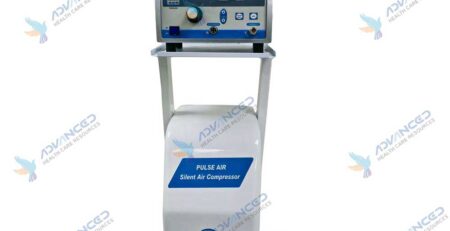
A pneumatic lithotripsy machine uses compressed air or gas to create mechanical vibrations that fragment kidney or bladder stones into smaller pieces. These fragments can then be naturally expelled or extracted through endoscopic tools.
The key components include:
-
Air compressor and regulator: Controls the air pressure used for stone fragmentation.
-
Handpiece and probe: The device that delivers mechanical energy to the stone.
-
Footswitch: Allows precise control during surgery.
-
Tubing and connectors: Channels the compressed air to the handpiece.
Because these machines rely on precise air pressure and mechanical parts, any minor leak, blockage, or wear can affect performance. That’s why regular inspections are crucial.
2. Clean the Machine After Every Procedure
One of the most common causes of malfunction in lithotripters is improper cleaning after use. Even though pneumatic systems do not use water or electricity during fragmentation, dust, biological debris, or sterilization residues can accumulate in the handpiece and tubing.
Here’s what you should do:
-
Disassemble carefully: Follow manufacturer instructions to detach the probe, handpiece, and air tubing.
-
Use mild cleaning agents: Avoid harsh chemicals that can corrode metal or rubber parts.
-
Sterilize components properly: Autoclave only those parts recommended by the manufacturer. Overheating can damage seals and O-rings.
-
Dry thoroughly: Moisture can lead to internal corrosion or bacterial growth. Ensure all parts are completely dry before reassembly.
A quick cleaning routine between procedures goes a long way toward preventing costly repairs later.
3. Check Air Pressure Regularly
The air compressor is the heart of the pneumatic lithotripsy system. Consistent, clean, and well-regulated air pressure is essential for optimal performance.
-
Monitor pressure levels: Use the machine’s built-in gauge to ensure the air supply stays within the recommended range (typically 2–5 bar, depending on the model).
-
Avoid pressure surges: Sudden spikes or drops can damage internal valves and affect the impact force.
-
Drain moisture from compressors: Condensation in the compressor tank can lead to rust and contamination. Always drain it daily if your hospital uses the same compressor for multiple instruments.
-
Use medical-grade air filters: Clean or replace filters periodically to prevent dust and oil contamination from reaching the handpiece.
4. Inspect the Handpiece and Probes
The handpiece is where most wear and tear occurs since it handles constant mechanical stress during stone fragmentation.
Daily Inspection:
-
Check for visible cracks, dents, or loosened fittings.
-
Ensure smooth operation of the trigger or foot control.
-
Test the probe connection for a secure, airtight fit.
Weekly Maintenance:
-
Lubricate moving parts with the recommended oil or lubricant.
-
Inspect O-rings for wear; replace them if they appear dry or brittle.
-
Avoid using probes that are bent, worn out, or show uneven wear.
Tip:
Never use third-party or low-quality probes. Even small design variations can affect air flow, leading to reduced impact energy or mechanical failure.
5. Protect the Air Tubing and Connections
The tubing system delivers compressed air to the handpiece. Leaks or blockages in this system can cause inconsistent performance or total failure.
To prevent issues:
-
Avoid kinks or tight bends in the tubing.
-
Store hoses properly when not in use—coiled loosely and off the ground.
-
Inspect connectors for cracks or loose fittings.
-
Replace damaged tubes immediately—temporary fixes like tape can compromise air pressure.
Clean the connectors occasionally with a lint-free cloth to remove dust or residue buildup.
6. Perform Routine Calibration and Testing
Even with regular use, the impact energy of a pneumatic lithotripter can gradually drift from its original specifications.
That’s why routine calibration is essential to maintain precision and patient safety.
-
Schedule professional calibration every 6–12 months (depending on usage).
-
Use manufacturer-recommended test kits or dummy stones to verify energy output.
-
Record performance data after each calibration to identify any declining trends.
Many hospitals include this calibration check as part of their annual biomedical equipment maintenance program.
7. Store Equipment Properly
When your lithotripsy system isn’t in use, proper storage protects sensitive parts from dust, humidity, and accidental damage.
Here’s how:
-
Store the handpiece and probes in a clean, dry cabinet.
-
Use protective caps or covers on air connectors.
-
Avoid stacking heavy equipment on or near the lithotripsy unit.
-
Maintain a stable temperature and humidity level in the storage area.
Even when stored for short durations, correct environmental conditions help preserve internal seals and metallic components.
8. Train Staff on Proper Handling
Human error is one of the most common causes of premature wear or damage in hospital equipment. Training staff on correct usage and care protocols can drastically reduce maintenance issues.
Make sure every technician or surgeon:
-
Understands how to connect and disconnect the system safely.
-
Knows the recommended operating pressure for each procedure type.
-
Handles the probes and tubing with care.
-
Follows sterilization guidelines strictly to prevent contamination.
Consider holding short refresher training sessions quarterly or whenever you introduce new staff or updated equipment.
9. Schedule Preventive Maintenance Visits
While in-house cleaning and checks are crucial, periodic preventive maintenance by authorized technicians ensures your machine remains compliant with manufacturer standards.
During these visits, technicians will:
-
Inspect internal valves and pressure regulators.
-
Replace aging seals or worn-out components.
-
Update firmware (if applicable).
-
Check calibration accuracy and energy output.
Preventive maintenance may seem like an added expense, but it’s far more cost-effective than unexpected breakdowns that interrupt patient services.
10. Keep a Maintenance Logbook
Documentation might not seem like a big deal, but it’s an essential part of responsible equipment management.
Maintain a maintenance logbook that includes:
-
Date of each cleaning and inspection
-
Calibration records
-
Part replacements and repairs
-
Technician signatures and comments
This not only ensures accountability but also helps identify recurring issues—allowing you to address them proactively.
Plus, during audits or warranty claims, these records demonstrate that the machine has been properly maintained.
11. Use Only Genuine Spare Parts
It can be tempting to use cheaper third-party components, but genuine manufacturer parts are engineered for the exact specifications of your lithotripter.
Using low-quality or incompatible spares can cause:
-
Air leaks or irregular pressure flow
-
Increased wear on other components
-
Voided warranties
Always purchase spares—like O-rings, probes, and tubing—from authorized distributors or the original manufacturer. Genuine parts might cost slightly more upfront, but they ensure longevity and performance.
12. Avoid Overuse and Allow Cooling Periods
If your hospital handles a high patient load, continuous operation without rest can lead to overheating and wear. Pneumatic handpieces, especially, need cooling time to maintain efficiency.
-
Allow short breaks between consecutive procedures.
-
Rotate between two handpieces if available.
-
Avoid running the compressor continuously beyond recommended durations.
This simple practice can significantly extend the life of both the handpiece and compressor system.
13. Monitor for Unusual Sounds or Vibrations
A well-functioning pneumatic lithotripter should operate smoothly and quietly. If you notice unusual sounds, rattling, or inconsistent air bursts, treat them as early warning signs.
Common causes include:
-
Loose connections or worn-out seals
-
Air leaks
-
Partially blocked air channels
-
Internal valve issues
Stop using the device immediately and have it inspected by a qualified technician. Early diagnosis often prevents small issues from escalating into major repairs.
14. Keep Up with Software or Firmware Updates (If Applicable)
Modern pneumatic lithotripters often feature digital interfaces or control units that may require occasional software updates.
Check with your manufacturer or supplier for:
-
Firmware patches that improve control accuracy
-
Updated calibration routines
-
Safety enhancements
Staying updated ensures compliance with the latest medical standards and prevents compatibility issues with newer accessories.
15. Partner with a Reliable Supplier
Lastly, choose a reliable pneumatic lithotripsy machine supplier who provides not just the equipment, but also ongoing technical support, training, and maintenance assistance.
Trusted lithotripters suppliers in India often offer service contracts, genuine spare parts, and quick response times—ensuring your machine stays in excellent condition throughout its life cycle.
Final Thoughts
A pneumatic lithotripsy machine is an invaluable tool in any urology department. Regular maintenance, staff training, and adherence to manufacturer guidelines can easily extend its lifespan by several years, improving both operational efficiency and patient care quality.
By following the tips above—cleaning after each use, monitoring air pressure, inspecting parts, and scheduling preventive maintenance—you’ll ensure consistent performance and long-term reliability.
Remember, in the world of medical technology, proactive care is always more cost-effective than reactive repair.







Leave a Reply