
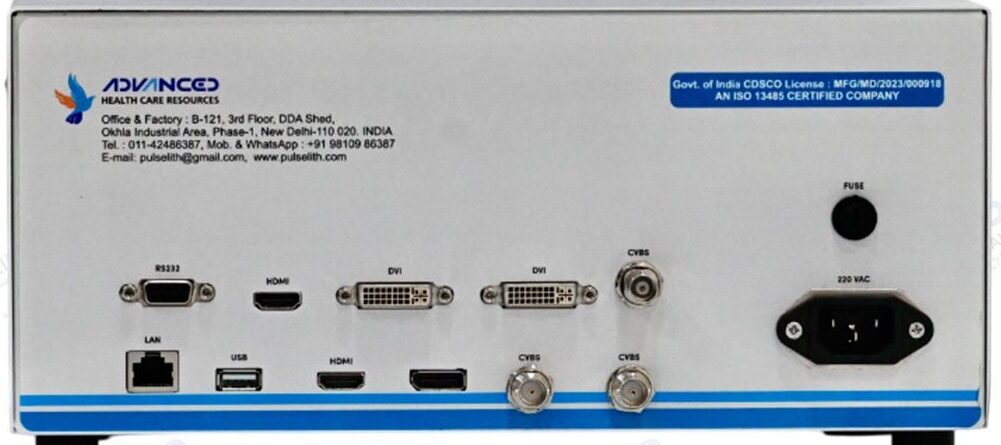
The reliability of surgical instruments directly affects the safety and success of medical procedures. From basic surgical scissors to advanced laparoscopic tools, hospitals depend on precision-engineered instruments that meet stringent safety and quality standards.
In India’s rapidly expanding healthcare sector, hospitals are increasingly prioritizing partnerships with surgical instruments manufacturers in India that comply with internationally recognized quality standards. One of the most important of these standards is ISO certification, particularly ISO 13485, which governs quality management systems for medical device manufacturing.
For hospitals in major healthcare hubs, ISO certification is more than a label; it is a signal that the manufacturer adheres to internationally accepted processes for the design, production, and control of surgical instruments. These processes help ensure consistency, traceability, and patient safety.
This article provides a detailed explanation of ISO certification in surgical instrument manufacturing, the regulatory framework governing medical devices in India, and why hospitals should prioritize ISO-certified suppliers when procuring surgical instruments.
The Importance of Quality Surgical Instruments in Modern Healthcare
Surgical instruments are the foundation of modern surgical practice. Every surgical procedure relies on specialized tools designed to perform precise functions such as cutting, clamping, retracting, suturing, or manipulating tissues.
Even minor defects in surgical instruments can lead to significant complications during surgery. For example:
- Misaligned scissors can reduce cutting precision
- Weak clamps may fail to maintain tissue grip
- Poor material quality can lead to corrosion or instrument breakage
- Surface imperfections may harbor bacteria and increase infection risk
Hospitals, therefore, require instruments that meet strict manufacturing standards and undergo rigorous quality inspection. This is where ISO-certified medical equipment suppliers in India play a critical role.
Overview of the Surgical Instrument Manufacturing Industry in India
India is one of the largest producers of surgical instruments globally. Cities such as Sialkot (historically), Jalandhar, Delhi NCR, Mumbai, and Chennai have developed strong manufacturing ecosystems supporting medical device production.
The Indian government has also prioritized domestic manufacturing through initiatives such as:
- Make in India
- Production Linked Incentive (PLI) scheme for medical devices
- Medical Device Parks initiative
As a result, India has become an important supplier of surgical instruments to hospitals both domestically and internationally. However, to compete globally and ensure patient safety, manufacturers must adhere to internationally recognized quality standards such as ISO certification.
What is ISO Certification?
ISO stands for the International Organization for Standardization, an independent global body that develops international standards to ensure quality, safety, efficiency, and interoperability across industries.
ISO standards provide organizations with structured guidelines to maintain consistent processes, improve product reliability, and meet regulatory requirements.
In healthcare and medical device manufacturing, ISO standards help ensure that medical products are safe for patient use and manufactured under controlled conditions.
ISO 13485: The Key Standard for Medical Device Manufacturers
ISO 13485 is the internationally recognized quality management standard specifically designed for medical device manufacturers. It applies to organizations involved in designing, manufacturing, installing, or servicing medical devices, including surgical instruments.
The standard focuses on building a structured quality management system (QMS) that ensures medical devices consistently meet regulatory and safety requirements.
Key elements of ISO 13485 include:
- Risk management throughout the product lifecycle
- Traceability of medical devices
- Controlled design and development processes
- Validation of manufacturing processes
- Supplier quality management
- Corrective and preventive actions
- Regulatory compliance documentation
For surgical instruments manufacturers in India, ISO 13485 certification demonstrates the ability to consistently produce medical devices that meet both customer expectations and regulatory requirements.
Regulatory Framework for Surgical Instruments in India
The medical device industry in India is regulated under the Medical Device Rules (MDR) 2017, implemented by the Central Drugs Standard Control Organization (CDSCO).
These regulations classify medical devices based on risk level:
- Class A – Low risk devices
- Class B – Low to moderate risk
- Class C – Moderate to high risk
- Class D – High-risk devices
Most traditional surgical instruments such as forceps, clamps, scissors, retractors, and scalpels typically fall into Class A or Class B.
Manufacturers of these devices must obtain licenses from CDSCO or state licensing authorities depending on device classification.
Importantly, manufacturers are required to implement a Quality Management System aligned with ISO 13485. While certification itself may not always be mandatory for lower-risk devices, many manufacturers obtain ISO 13485 certification to demonstrate compliance and gain trust from hospitals and regulators.
ICMED 13485 Certification in India
India has introduced a certification scheme called ICMED 13485 (Indian Certification for Medical Devices). This certification integrates ISO 13485 requirements with Indian regulatory expectations.
ICMED certification aims to improve the credibility and global competitiveness of Indian medical device manufacturers while ensuring compliance with domestic regulations.
For hospitals, suppliers holding ICMED certification often demonstrate stronger regulatory alignment and quality control practices.
Materials Used in Surgical Instrument Manufacturing
High-quality surgical instruments require specialized materials capable of maintaining durability, corrosion resistance, and sterilization compatibility.
Common materials used include:
- Martensitic stainless steel (commonly used for cutting instruments)
- Austenitic stainless steel (used for corrosion-resistant tools)
- Titanium alloys (used in lightweight surgical instruments)
- Tungsten carbide inserts (used in needle holders for enhanced grip)
ISO-certified manufacturers maintain strict control over material sourcing and testing to ensure instrument durability and patient safety.
Manufacturing Processes for Surgical Instruments
The production of surgical instruments involves several precision manufacturing stages.
Forging and Shaping
Metal components are forged into basic shapes before further machining.
Machining and Grinding
Computer-controlled machining ensures precise dimensions and cutting edges.
Heat Treatment
Heat treatment improves hardness and durability of stainless steel instruments.
Polishing and Surface Finishing
Smooth surfaces reduce bacterial adherence and improve corrosion resistance.
Quality Inspection
Each instrument undergoes inspection to ensure dimensional accuracy and functional reliability.
ISO-certified surgical instruments manufacturers in India maintain documented controls for each stage of production.
Why ISO Standards Matter for Urology and Endoscopic Instruments
Modern surgical procedures increasingly rely on minimally invasive technologies such as endoscopy, laparoscopy, and endourology. Instruments used in these procedures require extremely high levels of precision because they operate in delicate anatomical environments and often through small access points.
Devices such as lithotripters, cystoscopes, ureteroscopes, laparoscopic graspers, and PCNL instruments must be manufactured with tight tolerances, high-quality materials, and consistent performance standards. Even small variations in instrument design or manufacturing quality can affect surgical outcomes.
This is where ISO-certified surgical instruments manufacturers in India play a crucial role. ISO 13485 requires manufacturers to implement strict quality management systems, traceability protocols, and risk management procedures. These controls ensure that complex surgical devices used in urology and minimally invasive procedures maintain the reliability required in clinical settings.
For hospitals in India, particularly those performing advanced urology and laparoscopic surgeries, sourcing instruments from manufacturers that follow ISO standards helps ensure consistent performance, improved patient safety, and compliance with medical device regulations.
Sterilization and Infection Control Requirements
Surgical instruments must withstand repeated sterilization cycles without losing functionality or structural integrity.
Common sterilization methods include:
- Steam sterilization (autoclaving)
- Ethylene oxide sterilization
- Plasma sterilization
- Dry heat sterilization
Manufacturers must design instruments to tolerate these processes while maintaining material integrity.
How Hospitals in India Procure Surgical Instruments
Large hospitals often follow structured procurement processes when sourcing surgical instruments.
These typically include:
- Verification of regulatory approvals
- Evaluation of ISO certification
- Product quality testing
- Supplier capability assessment
- Cost and supply chain reliability analysis
Hospitals prefer working with top surgical instruments manufacturers in India that demonstrate consistent quality and regulatory compliance.
Benefits of ISO-Certified Surgical Instrument Suppliers
Partnering with ISO-certified manufacturers provides several advantages for hospitals:
- Improved patient safety
- Consistent instrument quality
- Regulatory compliance assurance
- Reduced surgical risk
- Better traceability of medical devices
ISO certification also helps hospitals maintain their own accreditation requirements, such as NABH accreditation in India.
Future of Surgical Instrument Manufacturing in India
India’s medical device industry is projected to grow significantly in the coming decade due to rising healthcare demand, medical tourism, and government support for domestic manufacturing.
Manufacturers that invest in international quality standards such as ISO 13485 will be better positioned to serve both domestic hospitals and global healthcare markets.
As healthcare institutions become more quality-focused, the demand for reliable surgical instruments suppliers in India will continue to grow.
Related Insights on Surgical Instrument Manufacturing
Hospitals and healthcare professionals looking to better understand the surgical instrument industry can explore additional insights on topics such as manufacturer selection, industry myths, and cost considerations.
What to Look for When Choosing Surgical Instruments Manufacturers in India
Common Myths About Surgical Instruments Manufacturers in India
Affordable Quality: How Indian Surgical Instrument Manufacturers Keep Costs Low
Choosing the Right Surgical Instrument Manufacturer
Selecting a reliable surgical instrument manufacturer is an important decision for hospitals and healthcare providers. High-quality instruments contribute directly to surgical precision, patient safety, and operational efficiency in operating theatres.
When evaluating surgical instruments manufacturers in India, hospitals should consider several factors:
- ISO certification and quality management systems
- Compliance with CDSCO medical device regulations
- Manufacturing expertise and industry experience
- Product range and specialization
- Reliability of supply and customer support
Manufacturers that specialize in precision surgical equipment—such as urology instruments, laparoscopic tools, and endoscopic devices—often invest heavily in advanced manufacturing technologies and quality control processes. These capabilities help ensure that instruments meet the demanding standards required for modern surgical procedures.
Companies like Pulselith focus on delivering precision-engineered surgical instruments designed to support urology and minimally invasive procedures while maintaining strict quality and manufacturing standards.
Conclusion
ISO certification plays a crucial role in ensuring the quality and safety of surgical instruments used in healthcare settings. For hospitals in India—particularly those in major medical hubs such as Delhi—working with ISO-certified manufacturers provides confidence that instruments meet international safety standards and regulatory expectations.
ISO 13485 establishes a structured framework for quality management in medical device manufacturing, ensuring that surgical instruments are produced under controlled processes with strict quality oversight.
As India’s healthcare infrastructure continues to expand, the role of certified surgical equipment manufacturers in India will become increasingly important. Hospitals that prioritize ISO-certified suppliers can ensure safer surgical procedures, improved patient outcomes, and stronger compliance with healthcare regulations.
Explore High-Quality Surgical Instruments
Hospitals and healthcare providers seeking reliable surgical equipment should work with manufacturers that follow internationally recognized quality standards and maintain strong regulatory compliance.
Pulselith provides precision-engineered surgical instruments designed to support modern surgical practices, including urology and minimally invasive procedures. Our focus on quality manufacturing and advanced engineering helps healthcare professionals perform procedures with confidence.
To learn more about our range of surgical equipment and medical device solutions, visit our product pages or contact our team for more information.






Leave a Reply