

The global demand for minimally invasive urology procedures has grown rapidly over the past decade. Among these procedures, Percutaneous Nephrolithotomy (PCNL) has become a preferred solution for removing large or complex kidney stones. As hospitals and urology centers worldwide expand their capabilities, the need for high-quality PCNL instruments continues to rise.
For every reliable Surgical Instrument Supplier in India, exporting PCNL equipment is not just about shipping products overseas. It involves understanding international regulations, meeting strict certifications, maintaining quality standards, and building trust with global distributors and healthcare providers.
This comprehensive guide explores everything you need to know about exporting PCNL equipment — from regulatory standards to documentation, packaging, quality control, and long-term partnerships.
Understanding PCNL Equipment and Its Global Demand
PCNL (Percutaneous Nephrolithotomy) is a minimally invasive surgical procedure used to remove large kidney stones through a small incision in the back. The procedure requires specialized surgical instruments designed for precision, durability, and sterility.
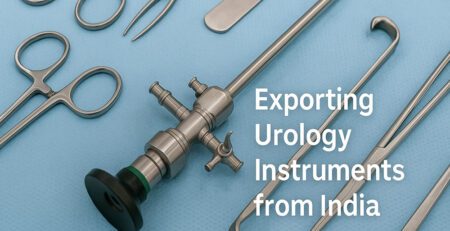
Typical PCNL instruments include:
- Nephroscopes
- Dilators and Amplatz sheaths
- Guidewires
- Stone graspers and forceps
- Lithotripsy probes
- Suction and irrigation systems
Because these instruments are used in delicate urological procedures, international buyers demand strict compliance with quality standards. A professional Surgical Instrument Supplier in India must ensure that every exported instrument meets global safety, performance, and sterilization requirements.
Why India Is a Growing Hub for PCNL Equipment Exports
India has become one of the leading global exporters of surgical instruments. Cities like Sialkot (historically linked region), Delhi, and other manufacturing clusters have built a strong reputation for producing high-quality medical instruments at competitive prices.
Key advantages include:
- Skilled craftsmanship and technical expertise
- Cost-effective manufacturing
- Advanced stainless steel processing
- Growing compliance with international standards
- Strong export infrastructure
A well-established Surgical Instrument Supplier in India combines traditional manufacturing skills with modern CNC machining, laser cutting, and quality testing processes to compete in global markets.
International Standards for Exporting PCNL Equipment
Exporting medical devices is highly regulated. Every country has its own medical device authority, and compliance is mandatory.
1. ISO 13485 Certification
ISO 13485 is the global standard for Quality Management Systems (QMS) specific to medical devices. It ensures that the manufacturer consistently meets regulatory requirements and customer expectations.
For a Surgical Instrument Supplier in India, ISO 13485 certification demonstrates:
- Controlled manufacturing processes
- Traceability of materials
- Documented quality checks
- Risk management systems
- Continuous improvement protocols
2. CE Marking (European Union)
CE marking is mandatory for selling medical devices in the European Economic Area (EEA). It indicates that the product complies with the EU Medical Device Regulation (MDR).
To obtain CE marking for PCNL equipment, manufacturers must:
- Conduct clinical evaluations
- Perform risk analysis
- Prepare technical documentation
- Undergo notified body audits (if applicable)
3. FDA Registration (United States)
To export PCNL instruments to the United States, suppliers must comply with U.S. FDA regulations. This may include:
- Establishment registration
- Device listing
- 510(k) clearance (if required)
- Quality System Regulation (QSR) compliance
4. CDSCO Registration (India)
The Central Drugs Standard Control Organization (CDSCO) regulates medical devices in India. Export-oriented manufacturers must maintain compliance with Indian regulations while also meeting international standards.
Material and Manufacturing Standards for PCNL Instruments
PCNL instruments must withstand repeated sterilization cycles and maintain structural integrity. High-grade stainless steel such as AISI 420 or medical-grade alloys is commonly used.
A responsible Surgical Instrument Supplier in India ensures:
- Corrosion resistance testing
- Hardness verification
- Surface finishing inspection
- Dimensional accuracy checks
- Functional performance testing
Advanced polishing techniques and passivation processes improve instrument longevity and patient safety.
Sterilization and Packaging Requirements
Medical instruments must be delivered sterile or capable of being sterilized safely before use.
Sterilization Methods
- Ethylene Oxide (EtO)
- Steam sterilization (Autoclave)
- Gamma radiation (for certain components)
Packaging Standards
Export packaging must:
- Protect against moisture and contamination
- Include clear labeling
- Display batch numbers and traceability codes
- Meet international shipping durability standards
A professional Surgical Instrument Supplier in India uses medical-grade packaging materials and ensures compliance with ISO 11607 for sterile barrier systems.
Documentation Required for Exporting PCNL Equipment
Accurate documentation ensures smooth customs clearance and regulatory approval.
Essential export documents include:
- Commercial Invoice
- Packing List
- Certificate of Origin
- CE Certificate
- ISO Certificate
- Bill of Lading or Airway Bill
- Free Sale Certificate (if required)
Maintaining organized documentation reflects the professionalism of a reliable Surgical Instrument Supplier in India and builds long-term trust with international distributors.
Best Practices for Exporting PCNL Equipment
1. Maintain Strict Quality Control
Implement multi-stage inspection processes — from raw material procurement to final packaging.
2. Invest in Research and Development
Continuous innovation improves product ergonomics, durability, and surgeon comfort.
3. Build Transparent Communication
Clear communication regarding lead times, certifications, and compliance reduces misunderstandings.
4. Offer Customization Options
Many international buyers prefer customized instrument sets tailored to specific surgical techniques.
5. Ensure Regulatory Updates
Global regulations frequently change. Staying updated helps avoid shipment delays or rejections.
Logistics and Supply Chain Management
Timely delivery is critical in healthcare supply chains. Delays can affect hospital operations and patient care.
Key logistics considerations:
- Temperature-controlled shipping (if required)
- Reliable freight partners
- Insurance coverage
- Real-time shipment tracking
A dependable Surgical Instrument Supplier in India builds strong logistics partnerships to ensure safe and timely global delivery.
Risk Management in International Trade
Exporting medical devices involves financial, regulatory, and operational risks.
Risk mitigation strategies include:
- Clear contractual agreements
- Advance payment terms or secure LCs
- Product liability insurance
- Compliance audits
Building Long-Term Global Partnerships
Success in medical device export is built on relationships, not just transactions. Distributors and hospitals look for reliability, consistent quality, and responsive service.
A successful Surgical Instrument Supplier in India focuses on:
- After-sales support
- Training materials and product manuals
- Responsive customer service
- Ethical business practices
Common Challenges in Exporting PCNL Equipment
- Changing regulatory frameworks
- Language barriers
- Customs delays
- Certification renewal timelines
- Currency fluctuations
Proactive planning and compliance management reduce these challenges significantly.
Future Trends in PCNL Equipment Export
The future of PCNL equipment lies in:
- Miniaturized instruments (Mini-PCNL)
- Improved fiber-optic visualization
- Single-use sterile kits
- Robotics-assisted urology tools
Manufacturers who invest in innovation will remain competitive in the global market.
Conclusion
Exporting PCNL equipment requires more than manufacturing expertise. It demands strict compliance with international standards, proper certifications, efficient logistics, and unwavering commitment to quality.
Every trusted Surgical Instrument Supplier in India must align with global regulatory expectations, maintain advanced quality management systems, and prioritize patient safety above all else.
With the right standards, certifications, and best practices in place, Indian exporters can continue to strengthen their global presence and contribute significantly to the advancement of minimally invasive urological care worldwide.





Leave a Reply